

Principle and Working Scene Characteristics of Potassium Hydroxide Material Pneumatic Conveying Mach
Potassium hydroxide, a vital chemical compound widely used in industries such as pharmaceuticals, food processing, and chemical manufacturing, demands specialized material handling solutions to ensure safe and efficient transport. The pneumatic conveying machine designed for potassium hydroxide material is a sophisticated piece of equipment engineered to address the unique challenges posed by this caustic substance. This article delves into the fundamental principles of pneumatic conveying technology and outlines the key characteristics of the operational environments where these systems are deployed.
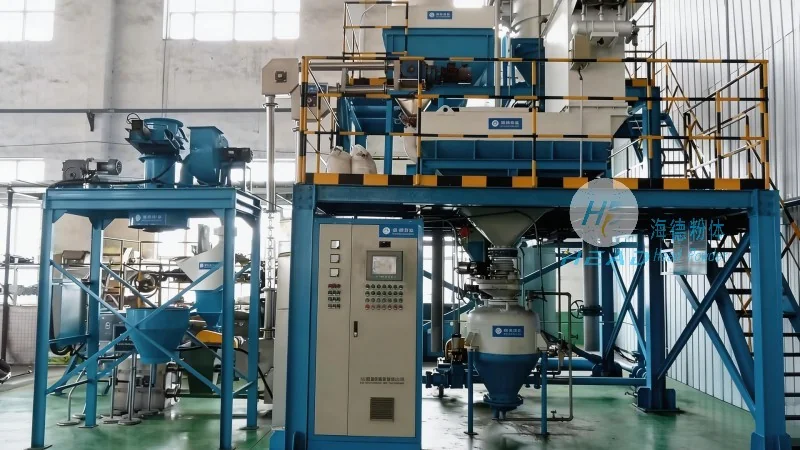
Company Overview: Shandong HeadPowder Engineering Co., Ltd.
HeadPowder, a prominent manufacturer in the material handling equipment sector, specializes in developing advanced pneumatic conveying solutions tailored to the needs of modern chemical industries. Headquartered in Shandong, China, the company leverages its extensive technical expertise and industry experience to deliver high-performance equipment that meets stringent safety and efficiency standards. With a commitment to quality and innovation, HeadPowder has established itself as a trusted partner for businesses seeking reliable solutions for handling hazardous materials like potassium hydroxide.
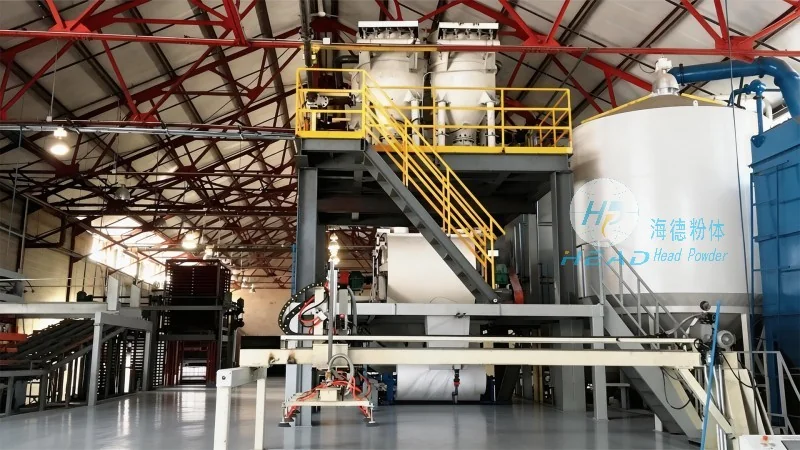
Principle of Pneumatic Conveying Technology
The core mechanism of pneumatic conveying for potassium hydroxide involves the use of air or gas to transport the material through a sealed pipeline system. This method can be classified into two primary categories: positive pressure and negative pressure systems. In positive pressure systems, compressed air is utilized to push the material forward, while negative pressure systems employ vacuum to draw the material into the pipeline. For potassium hydroxide, which is typically in powder or granular form, a positive pressure system is commonly preferred due to its effectiveness in managing the material's flow characteristics and maintaining consistent pressure levels throughout the conveying process.
Working Scene Characteristics and Application Scenarios
The working scene characteristics of potassium hydroxide pneumatic conveying machines are shaped by several critical factors, including the material's chemical properties, the necessity for containment, and the operational environment. In industrial settings, these machines are typically integrated into facilities where potassium hydroxide is produced, stored, or utilized in manufacturing processes. The equipment is designed to operate in environments that require strict adherence to safety protocols, as potassium hydroxide is a corrosive and hazardous substance. Key characteristics of the working scene include the need for dust-free handling, minimal material loss, and seamless integration with existing production lines to avoid operational disruptions.
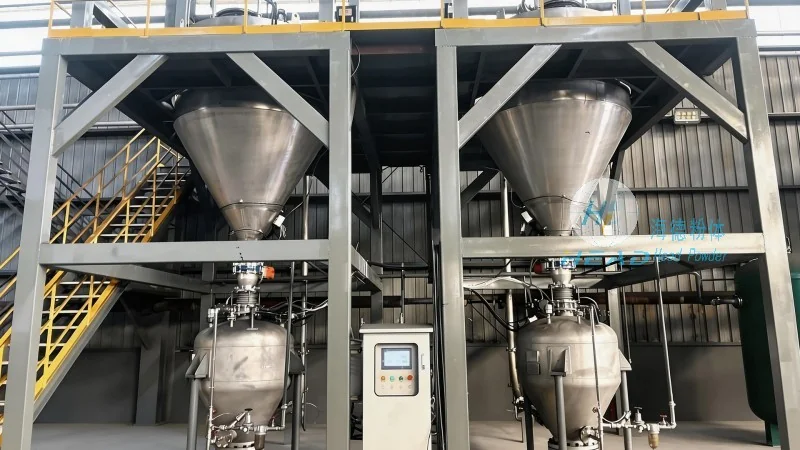
Key Advantages in Handling Potassium Hydroxide
The advantages of employing pneumatic conveying for potassium hydroxide material handling are significant and multifaceted. Firstly, the enclosed system design minimizes the risk of dust exposure and environmental contamination, which is crucial in industries governed by stringent air quality and safety regulations. Secondly, pneumatic conveying enables continuous and automated material transport, enhancing overall production efficiency and reducing labor costs associated with manual handling. The system's adaptability to varying material flow rates and particle sizes allows it to accommodate different production scales, from small-scale laboratory applications to large-scale industrial operations. Additionally, the absence of mechanical components in direct contact with the material reduces wear and tear, leading to lower maintenance requirements and extended equipment lifespan.