

Operation Process and Working Principle of Phosphorus Pentachloride Pneumatic Conveying
Phosphorus pentachloride (PCl₅) is a critical chemical compound widely used in industrial applications, particularly in the production of pesticides, pharmaceuticals, and other specialty chemicals. The efficient and safe handling of PCl₅ is essential due to its reactivity and potential hazards. Pneumatic conveying systems offer a reliable method for transporting PCl₅ from storage to processing units, ensuring minimal exposure to personnel and maintaining product integrity. This article explores the operation process and working principle of PCl₅ pneumatic conveying, highlighting the key components and operational considerations.
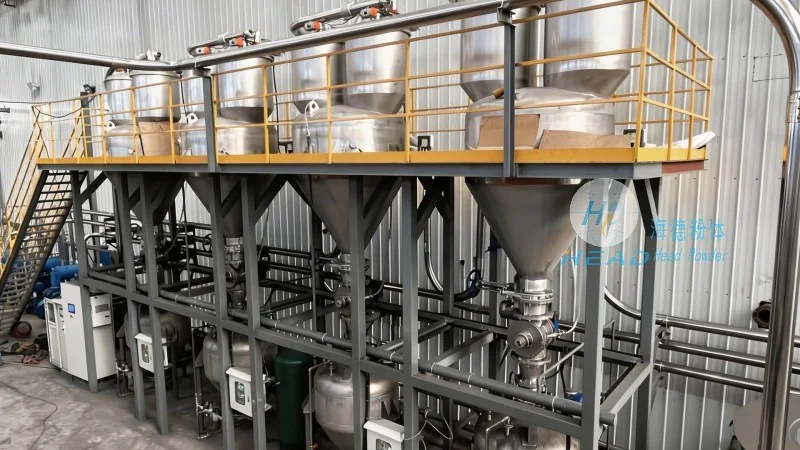
Key Components of PCl₅ Pneumatic Conveying Systems
A typical PCl₅ pneumatic conveying system consists of several critical components that work in tandem to ensure smooth and safe material transport. These components include a hopper for material storage, a rotary airlock valve to control material discharge, a venturi or pressure drop device to create the necessary airflow, a filter to capture fine particles, and a receiver for the conveyed material. Each component plays a vital role in maintaining the system's efficiency and safety.
Operation Process of PCl₅ Pneumatic Conveying
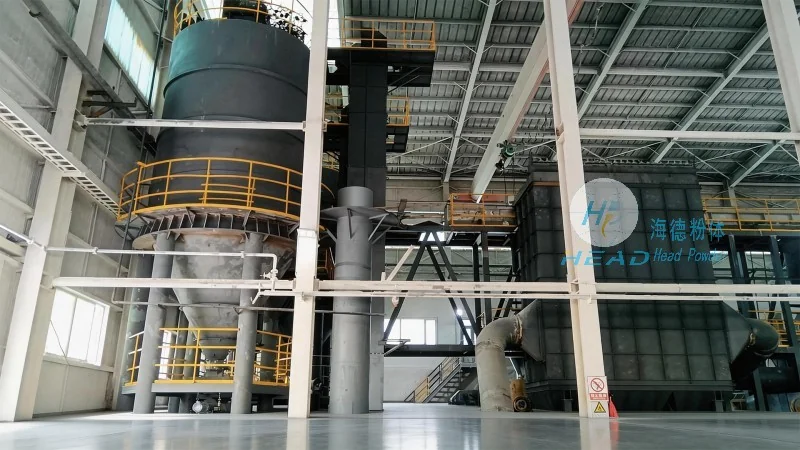
The operation of a PCl₅ pneumatic conveying system follows a systematic process designed to handle the chemical's unique properties. The process begins with the material being loaded into the hopper from a storage silo or container. The rotary airlock valve then regulates the flow of PCl₅ into the conveying line, preventing backflow and maintaining consistent material feed. Simultaneously, the system's air compressor generates high-pressure air, which is introduced into the conveying line via the venturi or pressure drop device. This creates a high-velocity airflow that entrains the PCl₅ particles, forming a slurry of air and material. The mixture travels through the pipeline to the receiver, where the air is separated from the material and filtered. The PCl₅ is then discharged into the processing unit, completing the transport cycle.
Working Principle of PCl₅ Pneumatic Conveying
The working principle of PCl₅ pneumatic conveying is based on the fundamental concept of fluidization and particle transport. The system relies on the Bernoulli principle, where the pressure drop created by the venturi or pressure drop device generates sufficient velocity to lift and transport the PCl₅ particles. The air velocity must be high enough to overcome the gravitational force acting on the particles, ensuring they remain suspended in the airflow. The system's design, including the size of the conveying line and the air velocity, is carefully optimized to achieve the desired material flow rate while minimizing energy consumption and wear on components.
Operational Considerations and Safety Measures
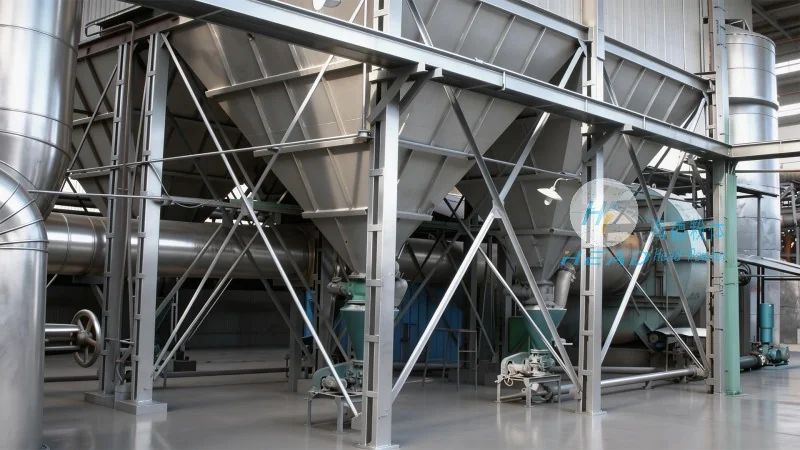
Handling PCl₅ requires strict adherence to safety protocols due to its corrosive and reactive nature. Pneumatic conveying systems must be constructed from materials resistant to PCl₅, such as stainless steel or specialized polymers, to prevent degradation and contamination. Regular maintenance, including cleaning and inspection of the filter and airlock valve, is essential to prevent clogging and ensure consistent performance. Additionally, the system should be equipped with proper ventilation and explosion-proof features to mitigate the risks associated with PCl₅ handling.
About Shandong HeadPowder Engineering Co., Ltd.
Shandong HeadPowder Engineering Co., Ltd., commonly known as headpowder, is a leading provider of specialized engineering solutions for chemical processing and material handling. With a focus on innovation and safety, the company designs and manufactures high-quality pneumatic conveying systems tailored to the unique needs of the chemical industry. Headpowder's expertise in handling hazardous materials, such as PCl₅, ensures reliable and efficient operations for clients worldwide. The company's facilities are located in Shandong, China, where it leverages advanced technology and skilled personnel to deliver superior products and services.