

Operation Process and Working Principle of Rice Husk Pneumatic Conveying System
The rice husk pneumatic conveying system is a critical component in the processing and handling of agricultural byproducts, particularly in the context of rice milling operations. This system efficiently transports rice husks from one location to another using air as the conveying medium. The technology is designed to handle the unique characteristics of rice husks, such as their lightweight and abrasive nature, ensuring reliable and low-maintenance operation.
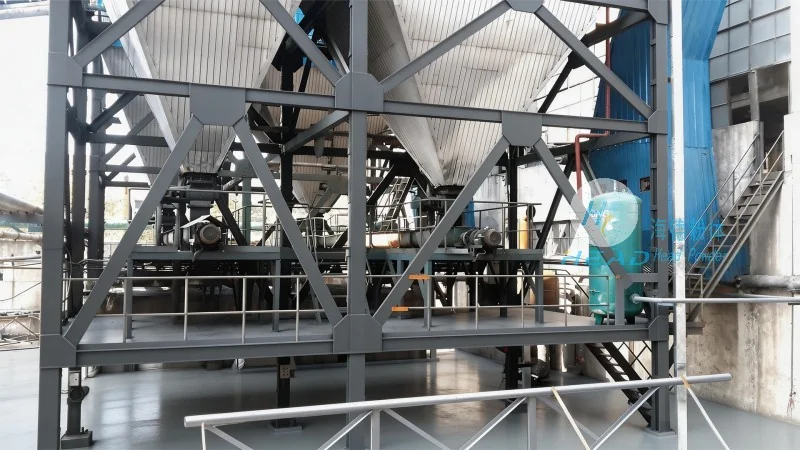
Key Components of the Pneumatic Conveying System
The system comprises several essential components that work in tandem to achieve effective material transport. These include the hopper for material storage, the air compressor or blower that generates the air flow, the conveying pipes that carry the material, and the discharge unit where the rice husks are deposited. Each component is engineered to withstand the specific demands of handling rice husks, ensuring durability and efficiency.
Working Principle of the Pneumatic Conveying Process
The operation of the rice husk pneumatic conveying system begins with the loading of rice husks into the hopper. As the material is fed into the system, the air compressor starts and generates a high-pressure air stream. This air stream is directed into the conveying pipes, creating a flow that lifts and transports the rice husks. The system uses a combination of positive and negative pressure zones to move the material through the pipes, ensuring consistent and controlled transport. The discharge unit then releases the rice husks at the desired location, completing the conveying cycle.
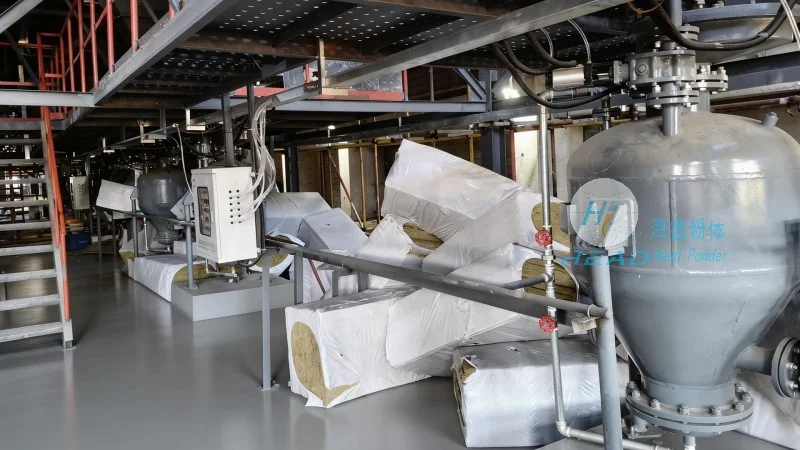
Operation Process: Step-by-Step Overview
The operational process of the rice husk pneumatic conveying system involves several sequential steps. First, the rice husks are collected and stored in the hopper. Next, the air compressor is activated, and the air flow is initiated. The material is then released from the hopper into the conveying pipes, where it is carried by the air stream. The system maintains a steady flow of air and material, ensuring that the rice husks are transported without blockages or loss. Finally, the rice husks are discharged into the collection bin or processing unit, ready for the next stage of utilization.
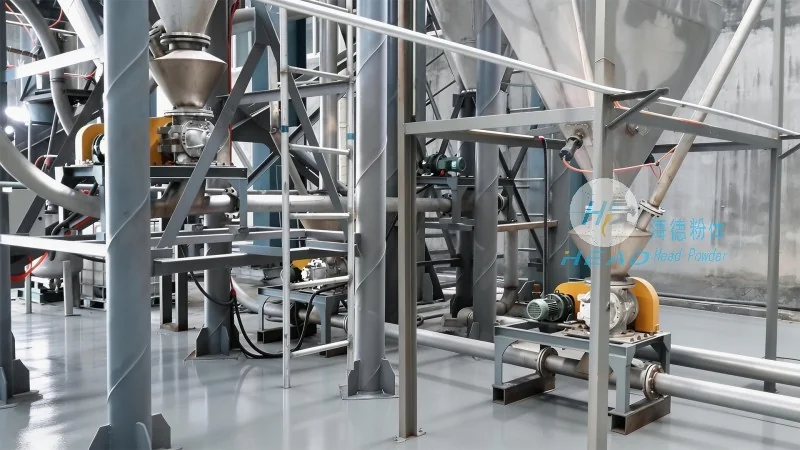
Advantages of the Pneumatic Conveying System for Rice Husks
Implementing a pneumatic conveying system for rice husks offers several advantages over traditional methods. The system provides a dust-free and hygienic environment, which is crucial for maintaining product quality and safety standards. Additionally, it reduces labor costs by automating the material handling process, minimizing the need for manual labor. The system also minimizes material degradation, as the gentle handling by the air stream prevents breakage or damage to the rice husks. Furthermore, the system is highly adaptable, allowing for easy integration into existing processing lines and flexible adjustments to meet varying production demands.
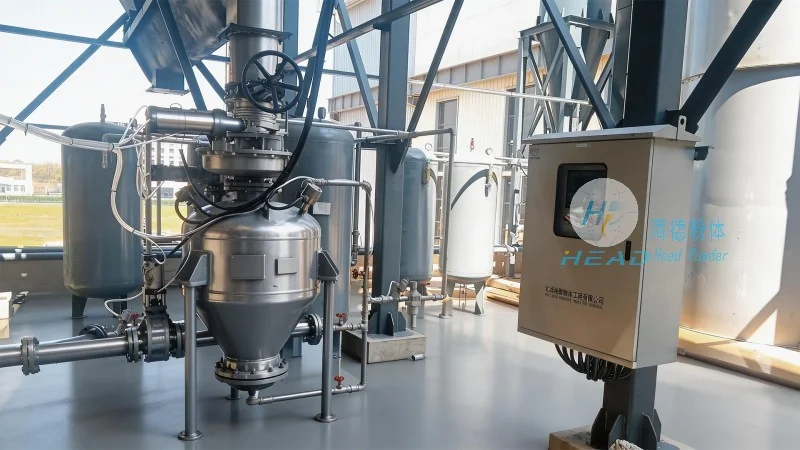
Company Information and System Application
Shandong HeadPowder Engineering Co., Ltd., a leading manufacturer in the field of pneumatic conveying systems, specializes in providing customized solutions for agricultural and industrial material handling. The company's expertise lies in designing and manufacturing systems that meet the specific requirements of rice husk processing, ensuring high efficiency and reliability. HeadPowder's systems are installed in various rice milling facilities across China, including locations in Shandong province, where the company is based. The company's commitment to quality and innovation has made its systems a preferred choice for rice husk handling applications.
Maintenance and Operational Considerations
Proper maintenance is essential to ensure the long-term performance and reliability of the rice husk pneumatic conveying system. Regular inspections of the air compressor and blower are necessary to check for wear and tear, ensuring optimal air pressure and flow. The conveying pipes should be cleaned periodically to prevent clogging and maintain efficient material transport. The hopper and discharge unit also require routine checks to ensure proper operation and prevent material buildup. By adhering to a regular maintenance schedule, the system can operate efficiently with minimal downtime, maximizing productivity and reducing operational costs.