

Operation Process and Working Principle of Pneumatic Conveying System for Lithium-Ion Battery Positi
Shandong HeadPowder Engineering Co., Ltd., a leading manufacturer in the field of powder handling technology, specializes in providing advanced solutions for the efficient and reliable transportation of lithium-ion battery positive electrode materials. The pneumatic conveying system is a critical component in the production line, ensuring that raw materials are transported from storage to processing units with minimal loss and optimal performance. This article will delve into the operation process and working principle of such a system, highlighting the key components, operational procedures, and the technical advantages that make it an essential asset for modern battery manufacturing facilities.
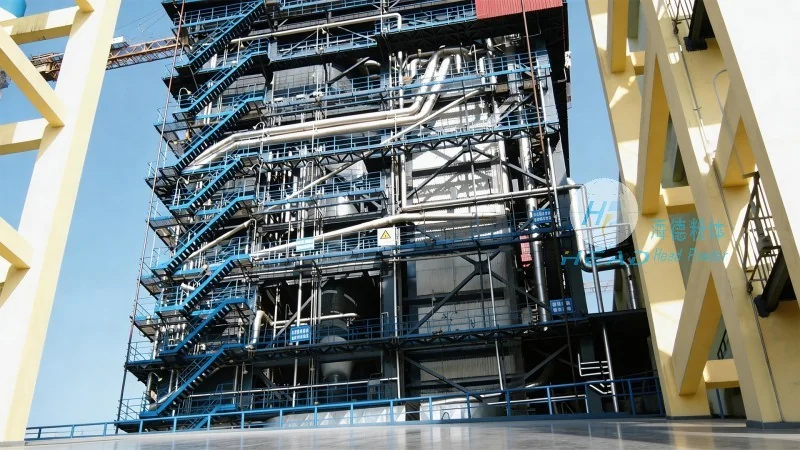
Key Components of the Pneumatic Conveying System
The pneumatic conveying system for lithium-ion battery positive electrode materials typically consists of several core components that work in tandem to achieve efficient material transport. These components include the material hopper, which serves as the storage and feeding unit; the air compressor or blower, which generates the necessary air pressure to move the powder; the conveying line, which can be either a rigid pipe or a flexible hose, depending on the system design; and the receiver or discharge unit, where the material is deposited. Additionally, the system may incorporate accessories such as filters, cyclones, and pressure regulators to maintain air quality and system stability. Each component plays a vital role in ensuring the smooth and continuous operation of the entire system.
Working Principle of the Pneumatic Conveying System
The fundamental principle behind the pneumatic conveying system is the use of air pressure to transport particulate materials. In the case of lithium-ion battery positive electrode materials, which are typically fine powders with specific particle sizes and moisture content, the system operates by creating a high-pressure air stream within the conveying line. The material is fed into the system from the hopper, where it is introduced into the air stream. The air, moving at a sufficient velocity, lifts and transports the powder particles through the pipeline to the discharge point. The velocity of the air is crucial; it must be high enough to overcome the gravitational force acting on the particles and maintain a stable flow. The system may use either positive pressure (where air is blown into the system) or negative pressure (where air is drawn out), with positive pressure being more common for this application due to its ability to handle larger quantities and longer distances.
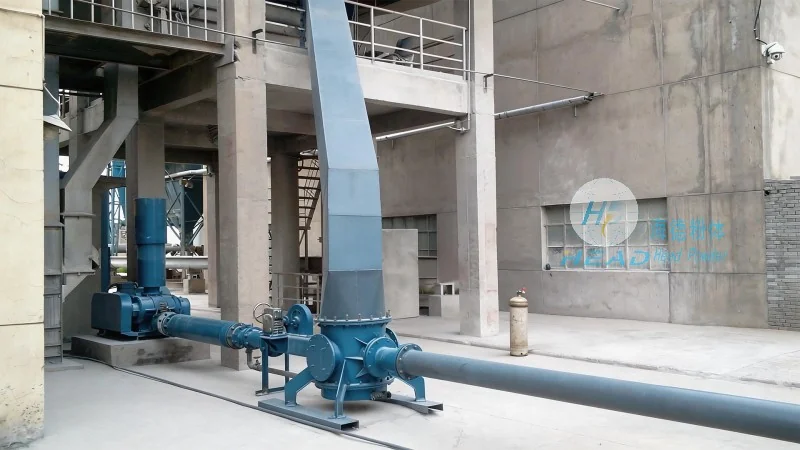
Operation Process of the Pneumatic Conveying System
The operation process of the pneumatic conveying system for lithium-ion battery positive electrode materials involves several sequential steps that ensure efficient material handling. First, the raw materials are stored in the material hopper, which is equipped with a feeding mechanism such as a rotary valve or a screw feeder to control the flow rate. The air compressor then starts, generating the required air pressure. The material is then introduced into the air stream as it moves through the conveying line. The air pressure and velocity are carefully controlled to maintain a consistent flow rate, preventing issues such as blockages or material degradation. The system continuously transports the material from the hopper to the processing unit, where it is further processed into the final electrode material. The receiver or discharge unit collects the material and may include a filter to remove any air particles before releasing the material. The entire process is automated, with sensors and control systems monitoring the pressure, flow rate, and material level to ensure optimal performance and prevent downtime.
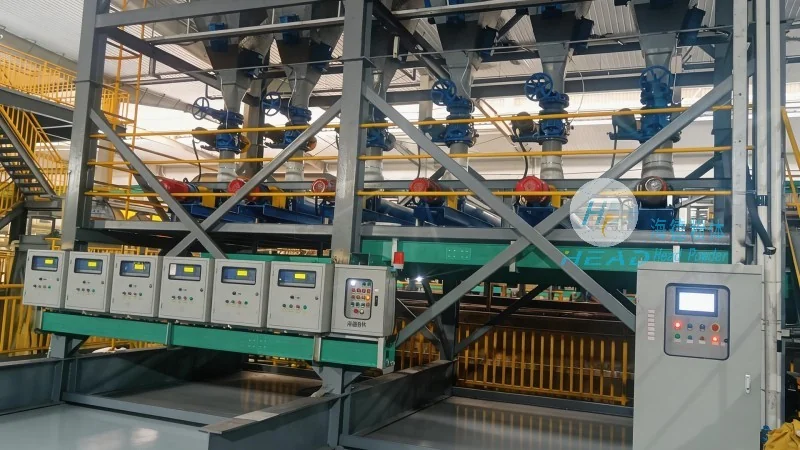
Technical Advantages and Benefits
Implementing a pneumatic conveying system for lithium-ion battery positive electrode materials offers several technical advantages that contribute to the efficiency and reliability of the production process. One of the primary benefits is the ability to handle fine powders without the need for mechanical components that could cause particle degradation or contamination. The system also provides a closed-loop operation, minimizing dust emissions and ensuring a clean working environment, which is crucial for maintaining product quality and compliance with environmental regulations. Additionally, the system can transport materials over long distances and at high speeds, reducing the need for multiple handling steps and improving overall production throughput. The flexibility of the system allows for easy integration with existing production lines, and the modular design enables scalability to accommodate increasing production demands. These advantages make the pneumatic conveying system an ideal choice for modern battery manufacturing facilities seeking to enhance their operational efficiency and product quality.
Conclusion
In conclusion, the pneumatic conveying system for lithium-ion battery positive electrode materials is a sophisticated and essential technology that plays a critical role in the production process. By understanding the key components, working principle, and operation process, manufacturers can optimize their systems to achieve efficient, reliable, and cost-effective material handling. Shandong HeadPowder Engineering Co., Ltd. specializes in designing and manufacturing such systems, providing tailored solutions that meet the specific needs of battery manufacturers. With its commitment to quality and innovation, the company ensures that its systems deliver superior performance and contribute to the advancement of the battery industry.