

Operation Process and Working Principle of Cement Powder Pneumatic Conveying Equipment
As a critical component in the cement production and processing industry, cement powder pneumatic conveying equipment plays a vital role in efficiently transporting bulk materials like cement, fly ash, and other fine powders. This equipment utilizes air as the medium to move powders through pipelines, offering advantages such as non-contact material handling, reduced contamination risk, and enhanced operational flexibility. In this article, we will explore the detailed operation process and working principle of such equipment, providing insights into its design, functionality, and practical applications.

Company Profile: Shandong HeadPowder Engineering Co., Ltd.
Headpowder, a leading manufacturer in the field of material handling solutions, specializes in the design, production, and supply of high-quality pneumatic conveying systems. With a strong commitment to innovation and customer satisfaction, the company has established itself as a trusted partner for businesses seeking reliable equipment for powder transportation. Headpowder's products are engineered to meet the stringent requirements of various industrial applications, ensuring durability, efficiency, and low maintenance costs. The company's headquarters is located in Shandong, China, where it leverages advanced technology and skilled expertise to deliver cutting-edge solutions tailored to client needs.
Working Principle of Pneumatic Conveying Systems
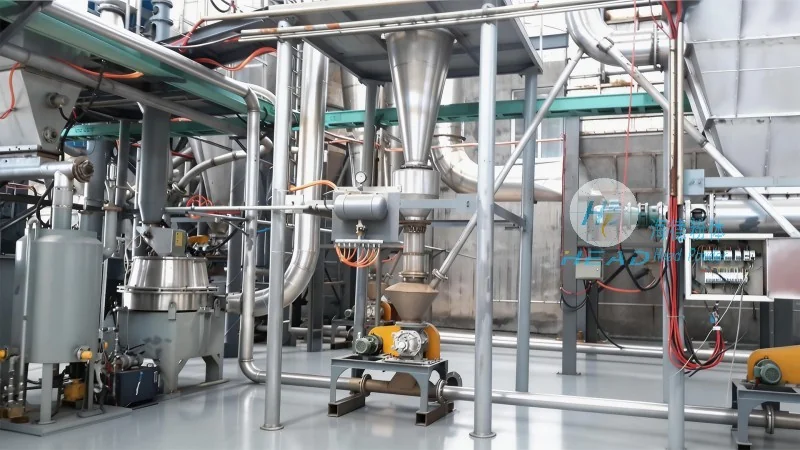
The core mechanism of cement powder pneumatic conveying equipment revolves around the use of air pressure to transport powders. The system typically consists of a hopper, a conveyor line, a control system, and a dust collection unit. The process begins with the material being fed into the hopper, where it is then drawn into the conveyor line by the pressure differential created by the air flow. As the air moves through the pipeline, it carries the powder particles along, ensuring a smooth and continuous transfer. The working principle can be categorized into two main types: pressure and vacuum systems. Pressure systems use positive pressure to push the material forward, while vacuum systems utilize negative pressure to pull the material from the source. Both systems are designed to handle different material characteristics and operational requirements, providing flexibility in material handling.
Operation Process: Step-by-Step Overview
The operation of cement powder pneumatic conveying equipment follows a systematic sequence to ensure efficient and safe material transport. The process starts with the preparation phase, where the material is loaded into the hopper and the system is checked for proper functionality. Next, the conveying phase begins, where the air compressor or vacuum pump is activated to generate the necessary pressure or vacuum. The material is then transported through the pipeline to the discharge point, where it is collected in a storage or processing unit. The system continuously monitors the flow rate and pressure to maintain optimal performance. Finally, the shutdown phase involves turning off the air supply and cleaning the system to prevent material buildup and maintain hygiene. Each step is crucial for the smooth operation of the equipment, and proper maintenance is essential to ensure long-term reliability.
Key Components and Their Functions
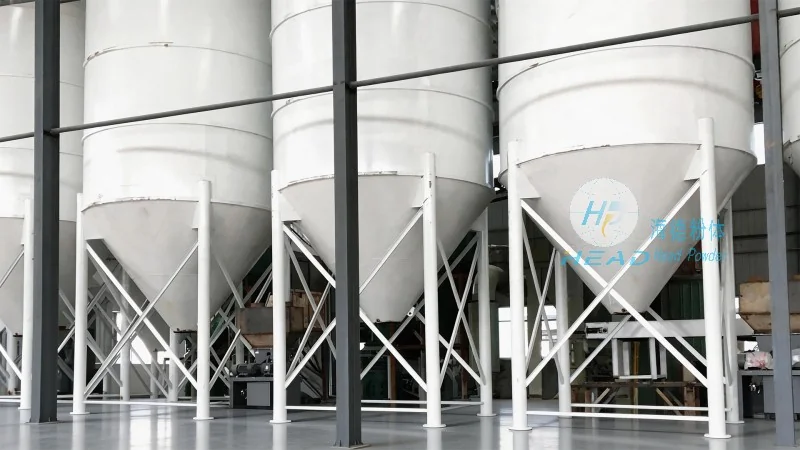
Several key components work in tandem to ensure the effective operation of cement powder pneumatic conveying equipment. The hopper serves as the material storage and feeding unit, providing a controlled environment for the powder to be introduced into the system. The conveyor line, typically made of stainless steel or other corrosion-resistant materials, is designed to withstand the abrasive nature of cement powders and maintain a smooth flow. The air compressor or vacuum pump generates the necessary pressure or vacuum to move the material through the pipeline. The control system, equipped with sensors and valves, regulates the air flow and monitors the system's performance in real-time. The dust collection unit, such as a cyclone or bag filter, captures any airborne particles, ensuring compliance with environmental regulations and maintaining a clean working environment. Each component is carefully designed and manufactured to meet the specific requirements of the application, contributing to the overall efficiency and reliability of the system.
Advantages and Applications
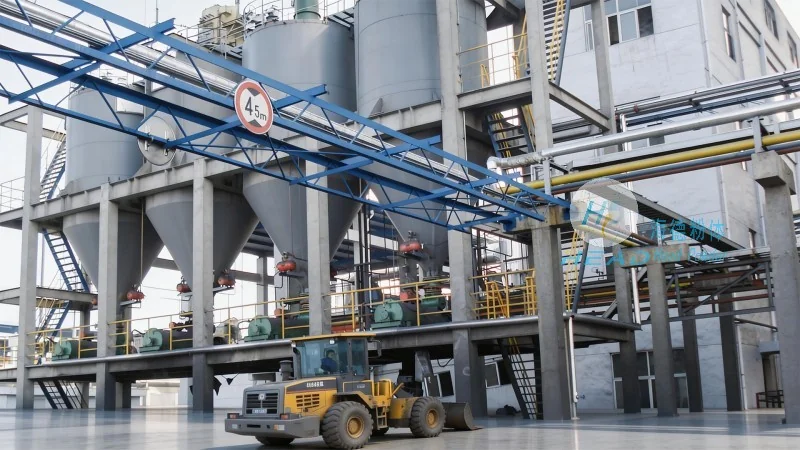
Cement powder pneumatic conveying equipment offers numerous advantages over traditional material handling methods. These include non-contact handling, which reduces product contamination and damage; reduced labor costs due to automated operation; and improved safety by minimizing manual handling of powders. The equipment is widely used in various industries, including cement production, construction materials, food processing, and chemical manufacturing. In cement plants, it is used to transport raw materials and finished products, while in construction sites, it helps in delivering cement and other powders to job sites. The flexibility of the system allows it to handle different powder types and flow rates, making it suitable for diverse industrial applications. Additionally, the equipment's ability to operate in closed systems reduces dust emissions and improves workplace safety, aligning with modern environmental standards.
Maintenance and Troubleshooting
To ensure the long-term performance and reliability of cement powder pneumatic conveying equipment, regular maintenance is essential. Routine checks should include inspecting the hopper and conveyor line for wear and tear, cleaning the dust collection unit to prevent clogging, and checking the air compressor or vacuum pump for proper operation. The control system should be monitored for any abnormalities, such as pressure fluctuations or sensor malfunctions. Common issues that may arise include material buildup in the pipeline, air leaks, or blockages. These problems can be addressed by adjusting the system settings, repairing leaks, or cleaning the system. Proper maintenance not only extends the equipment's lifespan but also ensures consistent performance and reduces downtime. Headpowder provides comprehensive maintenance services and technical support to help clients optimize their equipment's performance and address any issues that may arise.