

Operation Process and Working Principle of Corn Pneumatic Conveying Lines
Shandong HeadPowder Engineering Co., Ltd., commonly known as HeadPowder, is a leading manufacturer and supplier of corn pneumatic conveying systems. Based in Shandong, China, the company specializes in providing efficient and reliable solutions for the transportation of bulk corn and similar materials. These systems are designed to meet the demands of modern agricultural and food processing industries, offering advanced technology and robust construction.
Overview of Corn Pneumatic Conveying Systems
Corn pneumatic conveying lines are engineered to transport corn and other bulk materials using air as the conveying medium. This method is widely adopted in the agricultural sector due to its ability to handle large volumes of material with minimal damage and contamination. The systems consist of several key components, including a hopper for material storage, a feeder to control the flow rate, a blower to generate air pressure, and a network of pipes that direct the material to its destination. The enclosed design of these systems helps maintain product quality and hygiene, which is critical for corn processing and storage.
Key Components and Their Functions
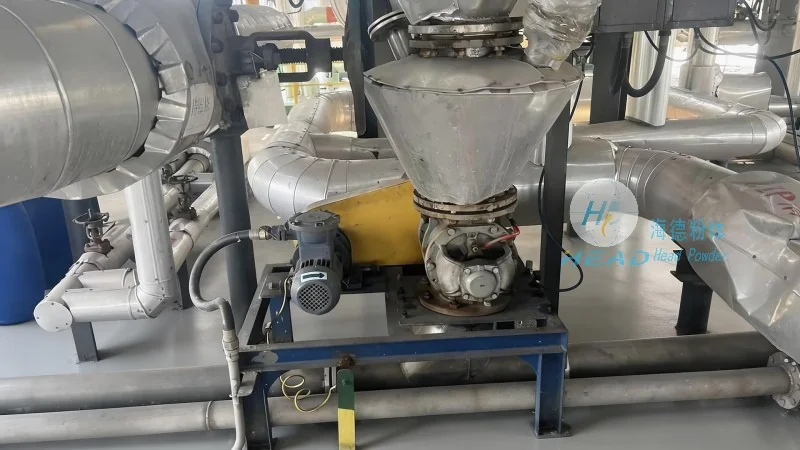
The hopper serves as the primary storage unit, holding the corn before it is conveyed. The rotary valve or feeder regulates the amount of material released into the system, ensuring a consistent flow rate. The blower or fan is responsible for creating the necessary air pressure to propel the corn through the pipes. The pipes are typically made of durable materials such as stainless steel or plastic, designed to withstand the pressure and abrasion from the material. Additional components include filters to remove dust and debris from the air, silencers to reduce noise, and control panels to monitor and adjust the system's operation.
The Operation Process Step-by-Step
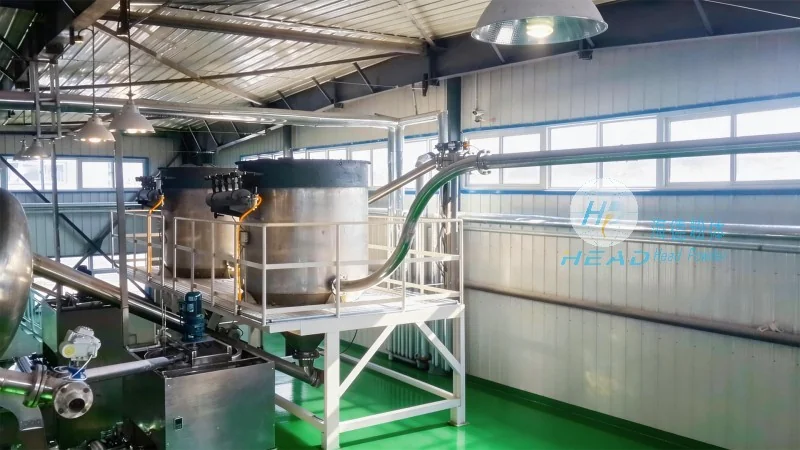
The operation of a corn pneumatic conveying line begins with the loading of corn into the hopper. The rotary valve then opens to allow a controlled amount of material to enter the conveying line. As the corn enters the pipe, the blower generates a high-pressure air stream that carries the material forward. The air and corn mixture travels through the pipeline, with the air pressure maintaining the flow. At the receiving end, a separator or cyclone separates the corn from the air, allowing the material to be discharged into a storage bin or processing unit. The air is then filtered and recirculated, ensuring energy efficiency and environmental compliance. This process is repeated continuously, providing a steady flow of corn to the processing facility.
Working Principle and Technical Details
The working principle of corn pneumatic conveying is based on the principles of fluid dynamics and particle transport. When air is forced through the conveying line at a sufficient velocity, it creates a drag force that lifts and moves the corn particles. The system's performance is influenced by factors such as air velocity, pipe diameter, and material characteristics. Proper design and maintenance of the blower, valves, and filters are essential to ensure optimal operation and prevent system downtime. The air velocity must be high enough to overcome the gravitational force of the corn particles but not so high as to cause excessive wear on the system components.
Benefits and Advantages of Corn Pneumatic Conveying
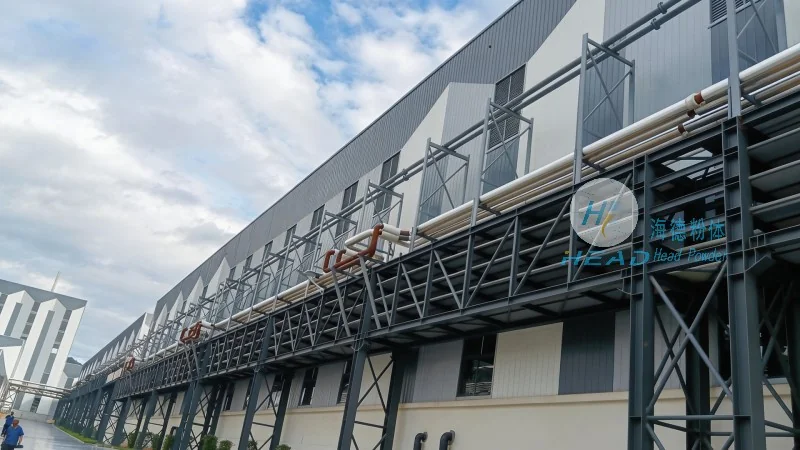
HeadPowder's corn pneumatic conveying systems offer several advantages over traditional mechanical conveying methods. These include reduced labor costs, as the system automates the material handling process. The enclosed nature of the system minimizes the risk of contamination from external sources, ensuring product quality. Additionally, the systems are highly adaptable, allowing for easy integration into existing production lines and expansion as operational needs grow. The ability to handle large volumes of material efficiently makes these systems cost-effective and time-saving for agricultural and processing operations.
Application in Corn Processing and Storage
Corn pneumatic conveying systems are widely used in various stages of corn processing, from storage and transportation to milling and packaging. In storage facilities, the systems efficiently move corn from silos to processing plants, ensuring a consistent supply of raw material. During processing, the systems transport corn to grinding and milling equipment, where it is converted into flour, grits, or other products. The ability to maintain product integrity and hygiene is crucial for corn processing, as it helps preserve the nutritional value and quality of the final products. The systems also contribute to improved safety in the workplace by reducing the need for manual handling of bulk materials.