

Operation Process and Working Principle of a Hybrid Pneumatic Conveying Machine
Hybrid pneumatic conveying machines represent a sophisticated solution in material handling, combining the efficiency of pneumatic transport with advanced engineering to optimize the movement of bulk materials. As a key component in industrial operations, these systems are designed to handle a wide range of materials, from powders and granules to bulk solids, with precision and reliability. The operation and working principles of such machines are critical for understanding their application in various industries, including food processing, pharmaceuticals, and chemical manufacturing.
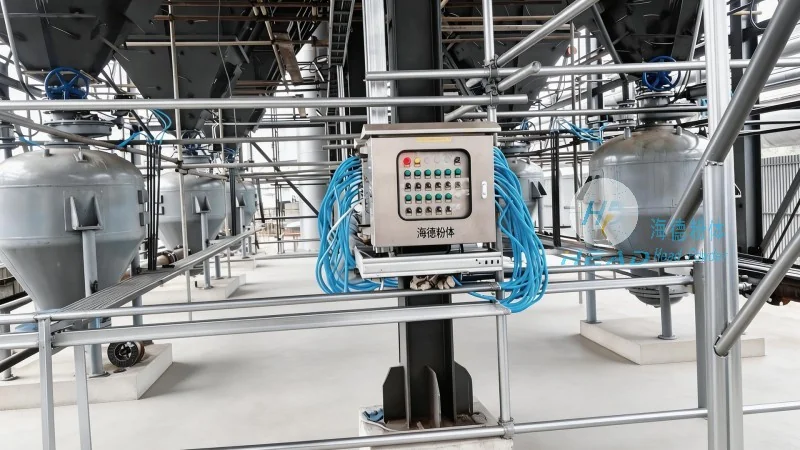
HeadPowder, a leading manufacturer based in Shandong, China, specializes in the design, development, and production of high-quality hybrid pneumatic conveying equipment. With a strong commitment to innovation and customer satisfaction, the company has established itself as a trusted partner in the material handling sector. The company’s facilities and expertise ensure that each system is tailored to meet specific operational requirements, providing clients with solutions that enhance productivity and reduce downtime.
Working Principle of Hybrid Pneumatic Conveying Machines
The core of a hybrid pneumatic conveying machine lies in its dual-mode operation, which integrates both pressure and vacuum systems to achieve efficient material transport. The system typically comprises several key components, including a material feeder, a conveying pipeline, a separation unit, and a control system. The material feeder, often a rotary valve or a screw feeder, introduces the bulk material into the system at a controlled rate. This material is then accelerated by a stream of air, which can be either under pressure (positive pressure) or in a vacuum (negative pressure), depending on the system configuration.
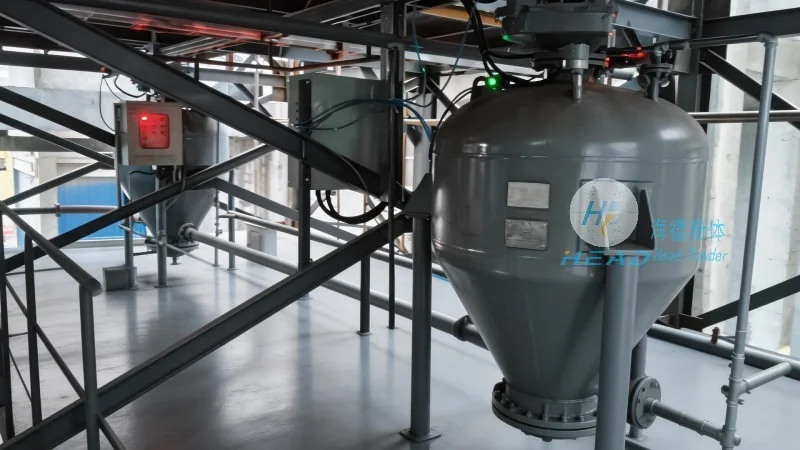
In the positive pressure mode, compressed air is used to push the material through the pipeline. This method is particularly effective for transporting materials over longer distances or through complex layouts, as it maintains consistent flow and pressure. Conversely, the negative pressure mode, or vacuum system, pulls the material through the pipeline using a fan or ejector. This approach is ideal for applications where the material needs to be transported from a higher elevation to a lower one, or when the system must handle materials that are sensitive to pressure changes.
The separation unit, such as a cyclone or a bag filter, plays a crucial role in the system. After the material has been conveyed, it is separated from the air stream, and the air is either filtered and recirculated or discharged. This step ensures that the material is delivered in a clean and dry state, meeting the standards required for various end-use applications. The control system, equipped with sensors and programmable logic controllers (PLCs), monitors the entire process, adjusting parameters like air pressure, material feed rate, and separation efficiency in real-time to maintain optimal performance.
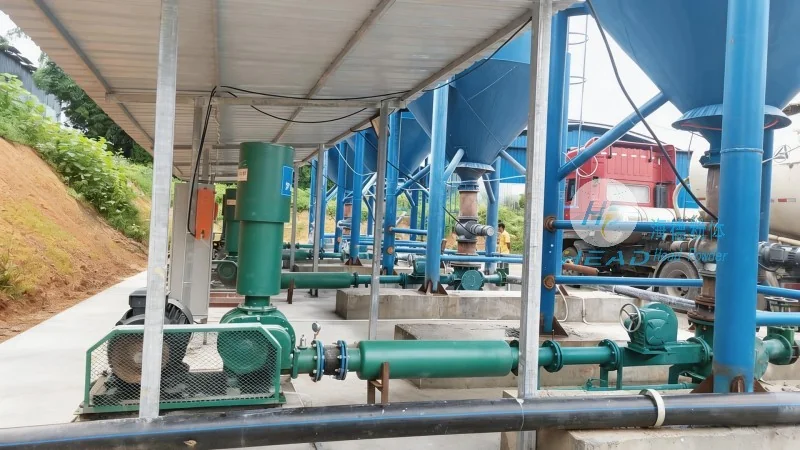
Operation Process of a Hybrid Pneumatic Conveying System
The operation of a hybrid pneumatic conveying machine involves a series of coordinated steps that ensure smooth and continuous material transport. The process begins with the preparation of the material, where it is stored in a hopper or silo and prepared for feeding. The feeder then starts to deliver the material at a pre-set rate, which is synchronized with the air flow. As the material enters the conveying pipeline, it is mixed with the air stream, creating a slurry-like mixture that is propelled forward by the pressure or vacuum.
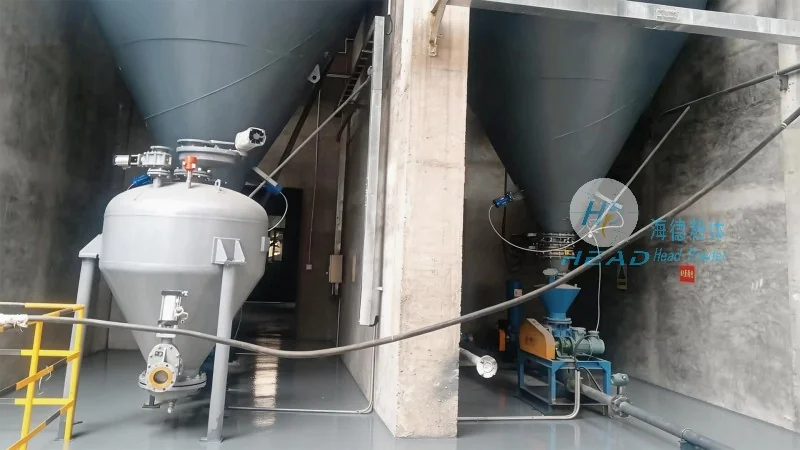
During the transport phase, the system continuously monitors the pressure and flow rates to ensure that the material is moving at the desired speed. If any disruptions occur, such as a blockage or a change in material density, the control system automatically adjusts the air flow or feed rate to prevent system failure. The separation unit then receives the material-air mixture, where the material is separated from the air through centrifugal force or filtration. The separated material is collected in a receiving hopper or container, while the air is filtered and either returned to the system or released to the atmosphere.
The entire operation is designed to be efficient and reliable, with minimal human intervention required. The hybrid system’s ability to switch between positive and negative pressure modes allows it to adapt to different operational conditions, making it a versatile solution for diverse industrial needs. This adaptability, combined with the precision control of the system, ensures that the material is transported safely and effectively, reducing the risk of spillage or contamination.