

Operation Process and Working Principle of Quicklime Powder Pneumatic Conveying Machine
Quicklime powder pneumatic conveying machines are essential equipment in industrial applications, particularly for the efficient handling and transportation of quicklime powder. These systems combine the advantages of pneumatic conveying technology with specialized design features to ensure reliable and safe operation in various production environments. The following article provides a detailed overview of the operation process and working principles of such machines, highlighting key components, operational steps, and the technical advantages they offer.
Key Components of Quicklime Powder Pneumatic Conveying Systems
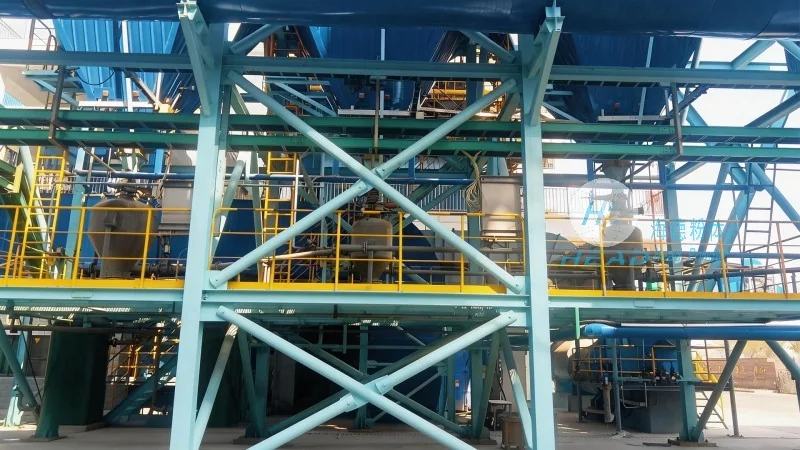
The quicklime powder pneumatic conveying machine typically consists of several core components that work in concert to achieve effective material transport. The primary components include a hopper for material storage, a rotary valve or feeder to control the flow of quicklime powder, a conveying pipeline system, a blower or air compressor to generate the necessary air pressure, and a receiver or discharge unit for the material. Each component plays a critical role in the overall performance and efficiency of the system. The hopper is designed to hold a sufficient quantity of quicklime powder, ensuring a continuous feed to the feeder. The rotary valve or feeder regulates the amount of material released into the pipeline, preventing overloading and maintaining consistent flow rates. The conveying pipeline, often made of stainless steel or other corrosion-resistant materials, transports the quicklime powder mixed with air. The blower or air compressor provides the motive force, creating a pressure differential that propels the material through the pipeline. Finally, the receiver or discharge unit collects the quicklime powder at the destination, separating it from the air and preparing it for further processing or use.
Operation Process of Quicklime Powder Pneumatic Conveying Machines
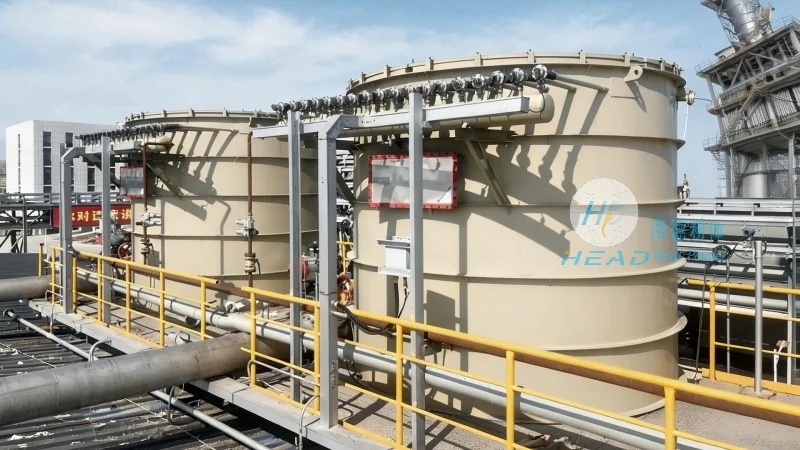
The operation process of a quicklime powder pneumatic conveying machine involves several sequential steps that ensure smooth and efficient material handling. The process begins with the loading of quicklime powder into the hopper. The material is then fed into the conveying pipeline through the rotary valve or feeder, which controls the flow rate based on the system's requirements. Simultaneously, the blower or air compressor starts operating, generating the required air pressure to create a flow of air within the pipeline. As the air flows through the pipeline, it mixes with the quicklime powder, forming a slurry or suspension that is propelled forward by the air pressure. The material travels through the pipeline to the receiver or discharge unit, where it is separated from the air, typically through a cyclone or filter system. The separated quicklime powder is then collected in the receiver, while the air is either recirculated back into the system or vented to the atmosphere, depending on the system design. This continuous cycle ensures that the quicklime powder is transported from the source to the destination without the need for manual handling, reducing labor costs and improving safety in the workplace.
Working Principles of Quicklime Powder Pneumatic Conveying Systems
The working principle of quicklime powder pneumatic conveying machines is based on the fundamental principles of fluid dynamics and particle transport. The system operates by creating a pressure differential between the inlet and outlet of the conveying pipeline. The blower or air compressor generates a high-pressure air stream that enters the pipeline, while the material is introduced into the pipeline at a controlled rate. The air and material mixture moves through the pipeline due to the pressure difference, with the air providing the necessary force to overcome the resistance caused by the material's density and the pipeline's friction. The key to efficient operation is maintaining an optimal air-to-material ratio, which ensures that the material is fully suspended in the air and transported without clogging or excessive pressure drop. The design of the components, such as the hopper, feeder, and pipeline, is critical in achieving this balance. For example, the hopper is often equipped with a venting system to prevent pressure buildup, while the feeder is designed to minimize material degradation and ensure consistent flow. The receiver or discharge unit is also designed to handle the material efficiently, preventing dust emissions and ensuring a clean discharge. Overall, the working principle of these systems leverages the power of air to transport solid materials, making them a preferred choice for industries that require reliable and low-maintenance material handling solutions.
About Shandong HeadPowder Engineering Co., Ltd.
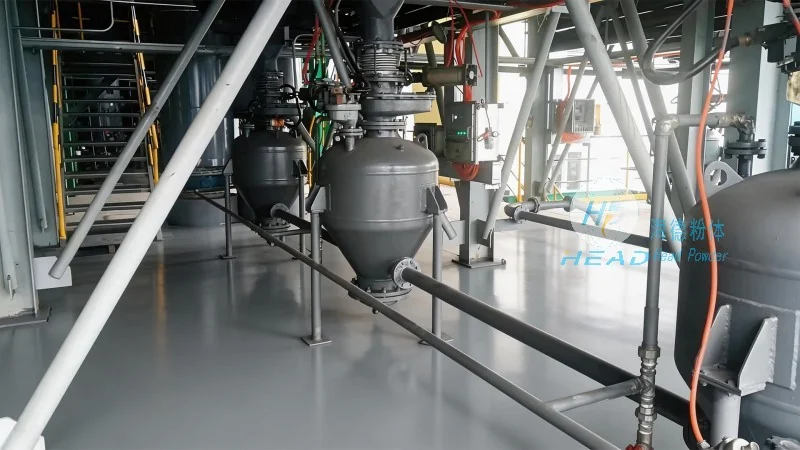
Shandong HeadPowder Engineering Co., Ltd., commonly known as headpowder, is a leading manufacturer and supplier of industrial pneumatic conveying equipment. With a strong focus on innovation and quality, the company specializes in designing and producing customized quicklime powder pneumatic conveying machines tailored to the specific needs of various industries. Headpowder's products are known for their durability, efficiency, and reliability, making them suitable for a wide range of applications, including chemical processing, food processing, and mineral processing. The company's commitment to customer satisfaction and technical excellence has earned it a reputation as a trusted partner in the industry. Headpowder's facilities are located in Shandong, China, where the company leverages advanced manufacturing technologies and skilled workforce to produce high-quality equipment that meets international standards. The company provides comprehensive after-sales support, including installation, maintenance, and technical assistance, ensuring that customers receive the best possible service throughout the equipment's lifecycle. With a dedicated team of engineers and technicians, headpowder continues to develop new and improved pneumatic conveying solutions to meet the evolving needs of the market.