

Operation Process and Working Principle of Cement Powder Conveying Lines
Shandong HeadPowder Engineering Co., Ltd., a leading enterprise in the field of powder material handling, specializes in the design, manufacturing, and installation of advanced cement powder conveying systems. The company, commonly known as HeadPowder, is headquartered in Shandong, China, and has established a strong reputation for providing reliable and efficient solutions for the transportation of cement and other fine powders. This article delves into the operation process and working principle of cement powder conveying lines, highlighting the key components, operational procedures, and technical advantages that make these systems essential in modern cement production and distribution.
Key Components of Cement Powder Conveying Systems
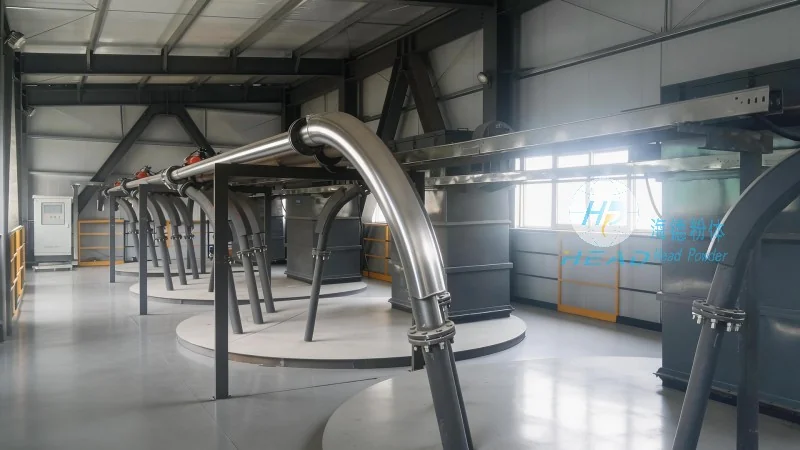
A typical cement powder conveying line consists of several critical components that work in tandem to ensure smooth and continuous material transport. The main components include: feeders, which are responsible for uniform material feeding; conveyors, such as pneumatic or mechanical systems, that move the powder through the line; dust collectors, which capture and filter airborne particles to maintain a clean and safe working environment; and control systems, which monitor and regulate the entire process. Each component plays a vital role in the overall efficiency and reliability of the conveying line. For instance, feeders ensure that the material is fed at a consistent rate, preventing blockages and ensuring uniform flow. Conveyors, whether pneumatic (using air pressure) or mechanical (using belts or screws), are designed to handle the specific characteristics of cement powder, such as its fine particle size and cohesive properties. Dust collectors are essential for maintaining air quality and complying with environmental regulations, while control systems provide real-time monitoring and adjustment to optimize performance.
Operation Process of Cement Powder Conveying Lines
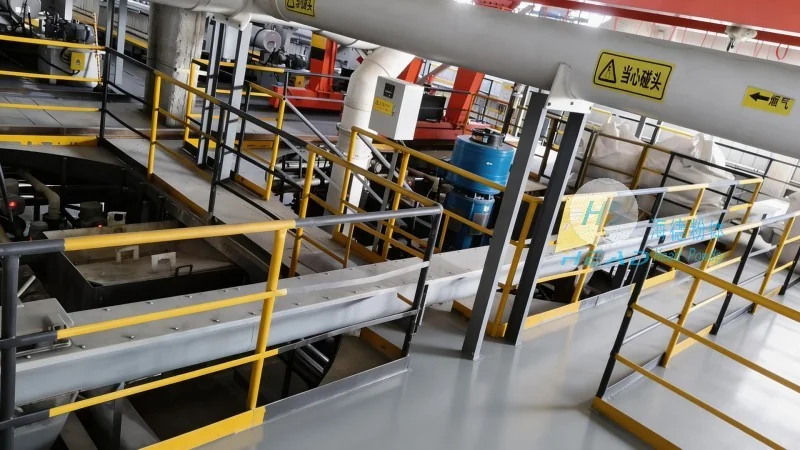
The operation process of a cement powder conveying line involves several sequential steps that ensure the efficient transport of cement from the storage silo to the point of use. The process typically begins with the material being discharged from the storage silo into a hopper or feeder. The feeder then regulates the flow of cement into the conveyor system. In a pneumatic conveying system, the cement is drawn into a pipeline by a vacuum or pressure source, where it is mixed with air and transported to the destination. In a mechanical conveying system, the cement is moved by a rotating screw or belt, which pushes the material through the pipeline. The conveying line may include multiple sections, such as vertical lifts and horizontal runs, to accommodate the layout of the facility. At the end of the line, the cement is discharged into a receiver or storage bin, where it is ready for further processing or distribution. The entire operation is controlled by a central control system, which monitors parameters such as pressure, flow rate, and temperature to ensure optimal performance. Regular maintenance and inspection are also crucial to prevent equipment failure and ensure the longevity of the conveying line.
Working Principle of Cement Powder Conveying Systems
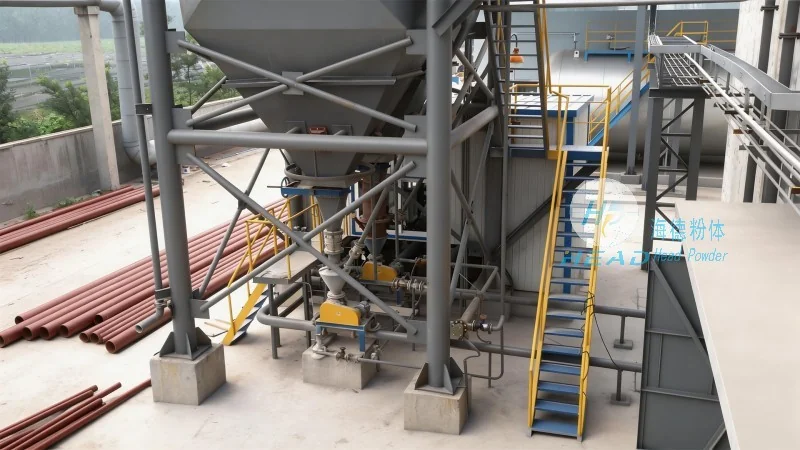
The working principle of cement powder conveying systems is based on the physics of fluidization and air movement. In pneumatic conveying, the cement powder is suspended in a stream of air, creating a fluidized mixture that can be transported through pipelines. The pressure or vacuum applied to the system determines the flow rate and distance the material can be conveyed. The key to efficient pneumatic conveying is maintaining the correct air-to-material ratio, which ensures that the powder remains suspended and does not settle or clog the pipeline. In mechanical conveying, the principle is based on the use of mechanical force to move the material. Screw conveyors, for example, use a rotating screw to push the cement forward, while belt conveyors use a moving belt to transport the material. The design of the conveyor components, such as the pitch and speed of the screw or the tension of the belt, is critical to ensuring smooth and continuous operation. The working principle also involves the management of air flow and pressure in pneumatic systems, as well as the proper alignment and maintenance of mechanical components in mechanical systems. By understanding these principles, engineers can design and operate conveying lines that are optimized for specific applications, such as long-distance transport or high-volume production.
Advantages and Applications of Cement Powder Conveying Lines
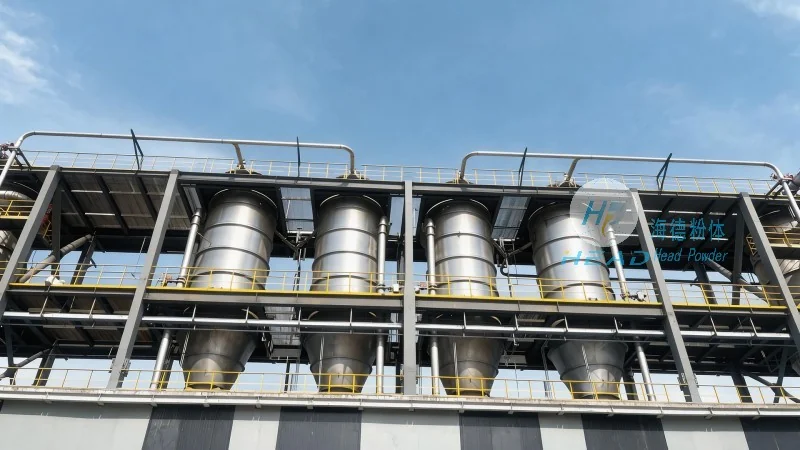
Cement powder conveying lines offer several advantages over traditional methods of material transport, such as manual handling or bucket elevators. These systems are highly efficient, as they can transport large volumes of material over long distances with minimal labor. They are also flexible, as they can be designed to accommodate different facility layouts and production requirements. Additionally, conveying lines are more hygienic and safer than manual handling, as they reduce the risk of dust exposure and accidents. The applications of cement powder conveying lines are widespread, including in cement production plants, where they are used to transport raw materials and finished products. They are also used in construction sites, where they transport cement to mixing stations. In addition, conveying lines are used in other industries, such as chemical and pharmaceutical manufacturing, where fine powders need to be transported safely and efficiently. The versatility and reliability of cement powder conveying lines make them an essential component of modern industrial operations.