

Operation Process and Working Principle of Textile Fiber Powder Conveying Line
Textile fiber powder conveying lines are essential systems in the manufacturing and processing of textile materials, enabling efficient and reliable transportation of fine powders such as cotton, polyester, and other synthetic fibers. For businesses seeking to optimize their production workflows, understanding the operation process and working principle of these lines is crucial. This article provides a detailed overview of the textile fiber powder conveying line, focusing on its functionality, key components, and operational dynamics, while highlighting the expertise of Shandong HeadPowder Engineering Co., Ltd. as a leading provider in the field.
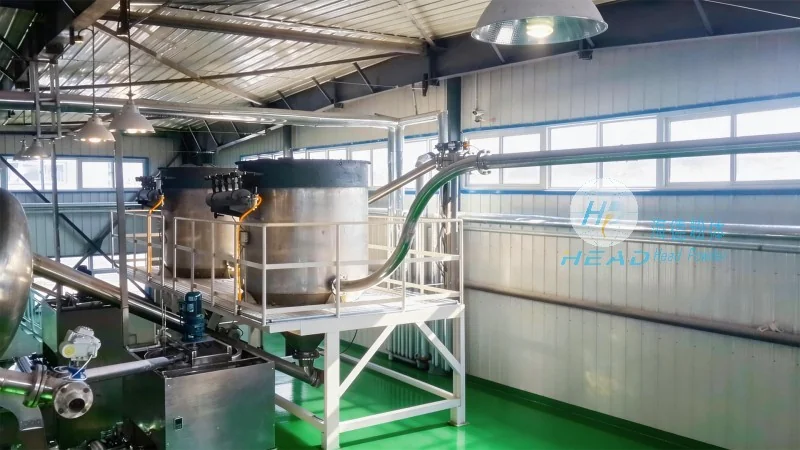
HeadPowder, a prominent name in the industry, specializes in designing and manufacturing advanced powder handling solutions tailored to the unique demands of textile processing. With a strong presence in China, particularly in Shandong, the company leverages years of experience to deliver high-performance conveying systems that enhance productivity and ensure consistent quality in fiber handling operations.
Key Components and Their Roles
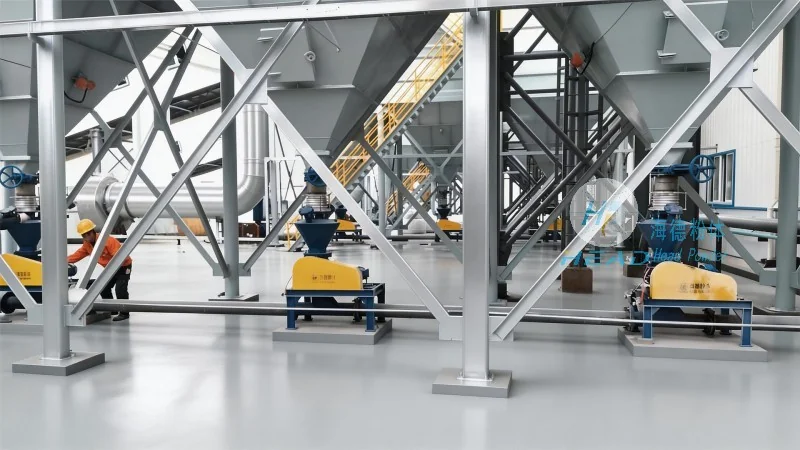
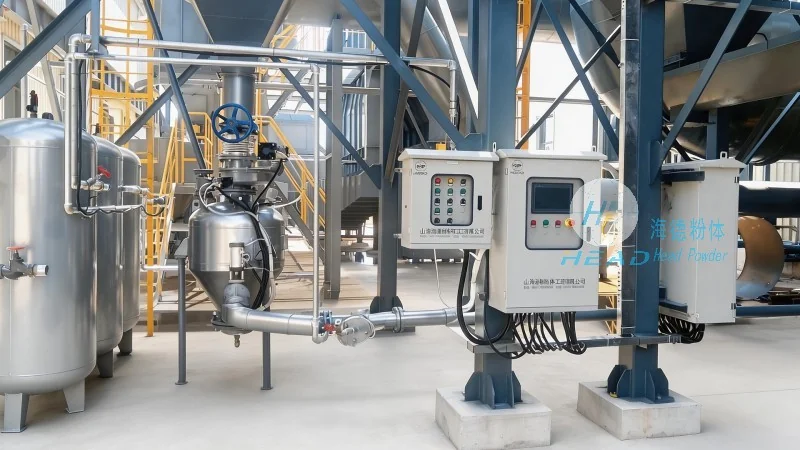
The textile fiber powder conveying line typically consists of several critical components, each playing a vital role in the overall system. The primary components include a material hopper or feeder, which serves as the initial storage and feeding unit, ensuring a steady supply of fiber powders. The feeder is often equipped with a rotary valve or screw mechanism to control the flow rate and prevent material buildup. Next, the conveying section, which may utilize pneumatic or mechanical methods, transports the powder from the feeder to the processing or storage area. Pneumatic conveying systems, for instance, use compressed air to create a flow of air and powder, while mechanical systems rely on screw conveyors or belt conveyors for movement. The line also includes a control panel or PLC (Programmable Logic Controller) that monitors and regulates the operation, ensuring safety and efficiency. Additionally, filters and dust collection systems are integrated to maintain air quality and comply with environmental regulations.
Operation Process of the Conveying Line
The operation of a textile fiber powder conveying line follows a systematic sequence to ensure smooth and continuous material transport. The process begins with the loading of fiber powders into the material hopper. The feeder then activates, controlling the discharge rate based on the system's requirements. As the powder enters the conveying line, it is propelled through the pipeline by either air pressure (in pneumatic systems) or mechanical force (in mechanical systems). The control panel continuously monitors parameters such as pressure, flow rate, and temperature, adjusting the system as needed to maintain optimal performance. Additionally, the line may experience variations in material density or moisture content, which the control system compensates for to ensure consistent conveying efficiency. The final stage involves the delivery of the fiber powder to the target location, such as a blending machine or storage silo, where it is further processed or stored for later use.
Working Principle Explained
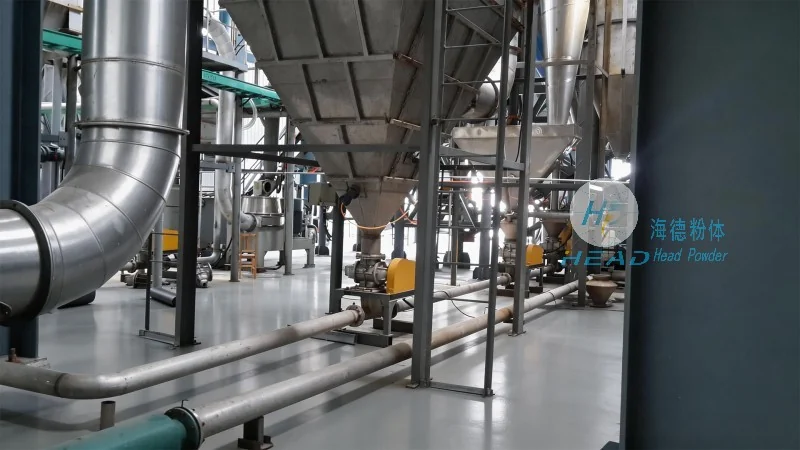
The working principle of textile fiber powder conveying lines varies depending on the chosen technology, with the most common being pneumatic and mechanical systems. Pneumatic conveying operates on the principle of fluid dynamics, where compressed air is used to create a flow that entrains the powder particles. The air and powder mixture travels through the pipeline, with the air providing the necessary momentum to move the material. The velocity of the air and the size of the particles determine the conveying capacity and efficiency. In contrast, mechanical conveying systems rely on mechanical energy, such as the rotation of a screw or the movement of a belt, to transport the powder. These systems are often preferred for handling abrasive or sticky materials, as they provide more control over the material's movement and reduce the risk of particle degradation. Both systems are designed to handle fine fibers without causing damage, which is critical for maintaining the quality of textile products.
Technical Specifications and Performance Metrics
Shandong HeadPowder Engineering Co., Ltd. offers textile fiber powder conveying lines with a range of technical specifications tailored to different production needs. The systems are engineered to handle various fiber types, including natural fibers like cotton and synthetic fibers like polyester, with capacities ranging from low to high volumes. The conveying speed can be adjusted to match the processing requirements of the downstream equipment, ensuring seamless integration into existing production lines. Performance metrics, such as conveying efficiency, energy consumption, and material loss, are optimized through advanced design and quality control. The company's lines are also equipped with safety features, including overpressure relief valves and emergency stop buttons, to protect operators and equipment from potential hazards. Additionally, the systems are designed for easy maintenance, with accessible components that allow for quick repairs and replacements, minimizing downtime and maximizing operational uptime.
Application Scenarios and Benefits
The textile fiber powder conveying lines from HeadPowder are widely used in various textile manufacturing processes, including fiber blending, dyeing, and finishing. In fiber blending, the system efficiently transports different types of fibers to a mixing unit, ensuring uniform composition and consistent product quality. During dyeing, the conveying line delivers the required fiber quantity to the dye bath, maintaining precise control over the dyeing process. In finishing operations, the system transports treated fibers to storage or further processing stages. The benefits of using these conveying lines include improved productivity, reduced labor costs, and enhanced product quality. By automating the material handling process, businesses can achieve higher throughput and lower operational costs, while minimizing the risk of material contamination or loss. The reliability and efficiency of HeadPowder's systems make them a preferred choice for textile manufacturers seeking to optimize their operations and stay competitive in the market.