

Operation Process and Working Principle of Positive Pressure Dense Phase Powder Conveying Equipment
HeadPowder, a leading manufacturer based in Shandong, China, specializes in the design and production of advanced positive pressure dense phase powder conveying systems. These systems are engineered to efficiently transport bulk powders over long distances with high reliability and minimal product degradation. The following sections detail the operational process and working principles of such equipment, providing a comprehensive understanding for potential users and industry professionals.
Company Overview
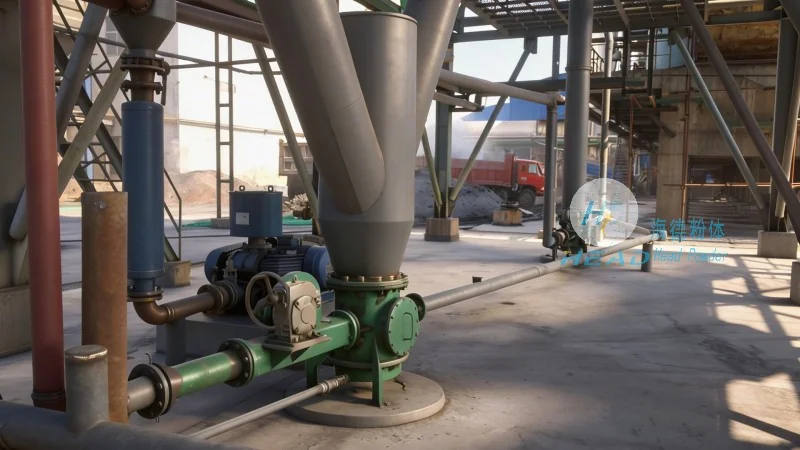
Shandong HeadPowder Engineering Co., Ltd., operating under the brand name HeadPowder, is dedicated to delivering innovative solutions for powder handling challenges. With a strong focus on engineering excellence and customer satisfaction, the company has established itself as a trusted provider of high-quality conveying equipment. HeadPowder's products are designed to meet the stringent requirements of various industries, including chemical, pharmaceutical, food, and mining, ensuring safe and efficient material transport.
Key Features of Positive Pressure Dense Phase Conveying
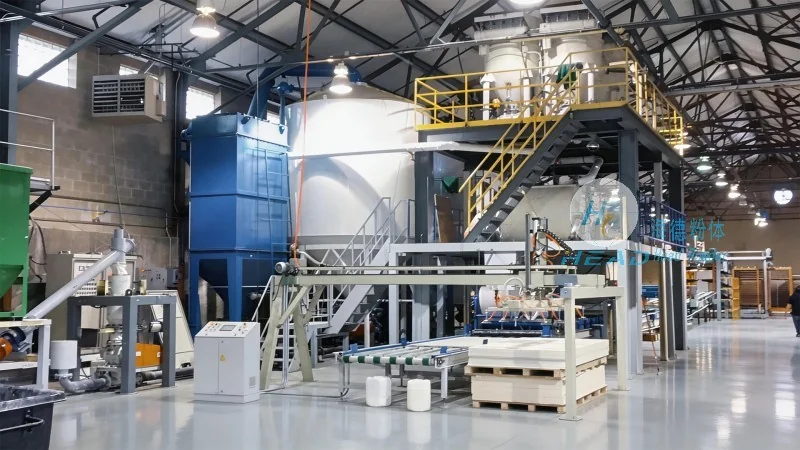
Positive pressure dense phase powder conveying systems utilize compressed air to create a high-pressure environment within the conveying line. This method ensures that the powder is transported in a dense, plug-flow state, minimizing particle separation and agglomeration. The key advantages of this technology include: high conveying capacity, reduced product degradation, low maintenance requirements, and the ability to handle a wide range of powder types, from fine powders to bulk materials. The system's design allows for flexible installation, making it suitable for both new and existing production lines.
Operational Process of the Equipment
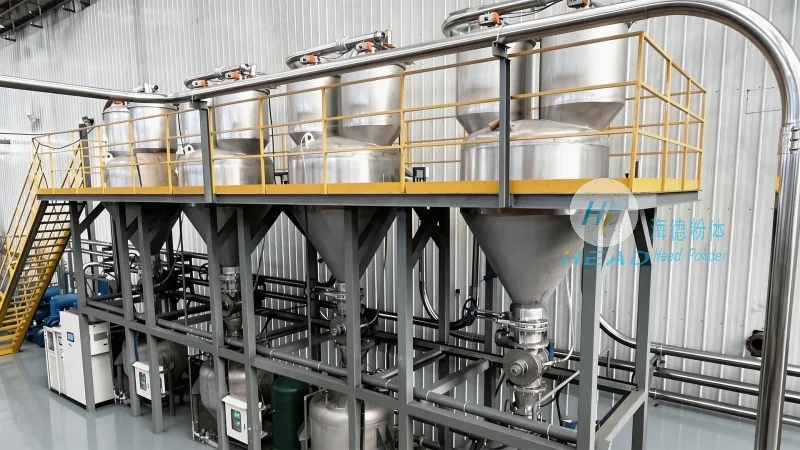
The operation of a positive pressure dense phase powder conveyor involves several critical steps. First, the bulk powder is fed into the inlet hopper of the system. The powder then flows into the conveying line, where it is mixed with a controlled amount of compressed air. The air-powder mixture is then pressurized and transported through the pipeline to the discharge point. At the discharge end, the air and powder are separated, with the powder collected in the receiving hopper and the air either vented or recycled. The entire process is automated, with sensors and control systems monitoring key parameters such as pressure, flow rate, and temperature to ensure optimal performance and safety.
Working Principle Explained
The working principle of a positive pressure dense phase powder conveyor is based on the principles of fluidization and plug flow. The compressed air is introduced into the conveying line at a controlled rate, creating a dense, non-turbulent flow of powder. This dense phase prevents the powder particles from settling or separating, maintaining a consistent flow rate throughout the system. The pressure differential between the inlet and outlet drives the material forward, while the air acts as a carrier medium, reducing friction and wear on the pipeline. The system's design ensures that the powder remains in a cohesive state, minimizing the risk of clogging or blockages, which are common issues in traditional pneumatic conveying systems.
Applications and Benefits
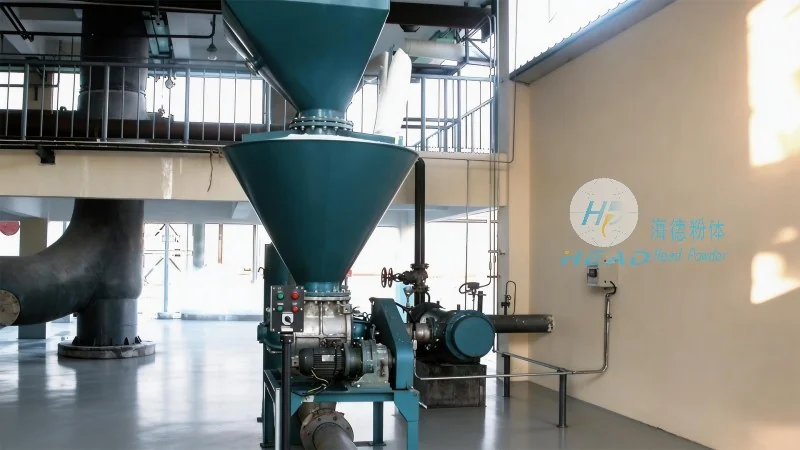
Positive pressure dense phase conveying equipment is widely used in industries where the integrity of the powder product is critical. Applications include the transport of chemicals, pharmaceuticals, food ingredients, and mining ores. The benefits of this technology include improved product quality, reduced energy consumption, and enhanced safety due to the enclosed system design. Additionally, the system's ability to handle varying powder characteristics makes it a versatile solution for diverse industrial needs.