

Operation Process and Working Principle of Powder Material Conveying
Understanding the operation process and working principle of powder material conveying systems is crucial for industries that rely on efficient and reliable transportation of bulk materials. These systems are designed to handle a wide range of powder types, from fine powders to bulk solids, ensuring smooth and consistent movement from one point to another in industrial settings. The effectiveness of such systems directly impacts production efficiency, safety, and overall operational costs.
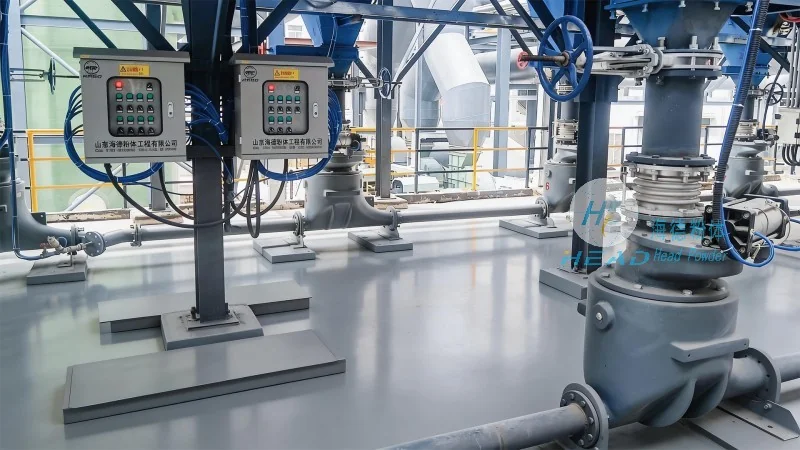
Company Overview: Shandong HeadPowder Engineering Co., Ltd.
At the heart of advanced powder material conveying solutions is Shandong HeadPowder Engineering Co., Ltd., a leading manufacturer based in Shandong, China. With a strong commitment to innovation and quality, the company specializes in developing and manufacturing a comprehensive range of conveying equipment tailored to meet diverse industrial needs. HeadPowder's expertise lies in engineering systems that optimize material handling processes, enhance operational safety, and reduce downtime, making them a trusted partner for businesses in various sectors.
Key Components and Their Roles in Powder Conveying
The operation of powder material conveying systems involves several critical components, each playing a vital role in the overall process. The primary components typically include the feed hopper, conveyor mechanism (such as screw conveyors, pneumatic conveyors, or belt conveyors), control systems, and discharge mechanisms. The feed hopper is responsible for storing and feeding the powder material into the conveyor system, ensuring a steady supply. The conveyor mechanism then transports the material through the system, using mechanical or pneumatic forces to move it along the designated path. Control systems monitor and regulate the flow rate, pressure, and other parameters to maintain optimal performance. Finally, the discharge mechanism collects the conveyed material and directs it to the intended destination, such as a storage silo or processing unit.
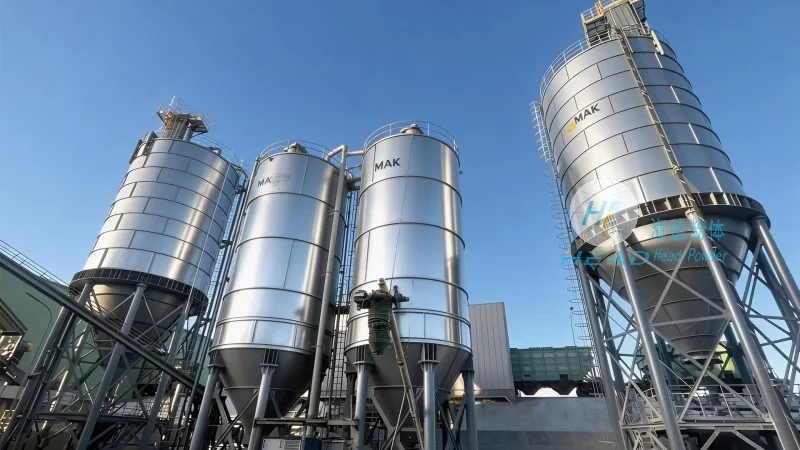
The Working Principle of Powder Material Conveying
The working principle of powder material conveying systems varies depending on the type of conveyor used. For mechanical conveyors like screw conveyors, the principle involves the rotation of a screw within a tube, which pushes the powder material forward through the system. This method is effective for handling dry, free-flowing powders and is commonly used in industries like food processing, pharmaceuticals, and chemicals. Pneumatic conveyors, on the other hand, utilize compressed air to transport powder materials through a pipeline. The powder is carried by the air stream, which can be either positive or negative pressure, depending on the system design. This method is particularly suitable for fine powders and materials that are sensitive to mechanical stress.
Operation Process: From Inlet to Outlet
The operation process of a powder material conveying system begins with the material being fed into the inlet hopper. The material then flows into the conveyor mechanism, where it is transported along the system. During this process, the system may include intermediate storage or processing steps, such as mixing or screening, to ensure the material meets quality standards. The conveyor system continues to move the material until it reaches the discharge point, where it is collected and prepared for further use. Throughout the operation, the control system continuously monitors key parameters, such as flow rate, pressure, and temperature, to ensure the system operates within safe and efficient limits. Any deviations are automatically adjusted to maintain optimal performance, minimizing the risk of material blockages or system failures.
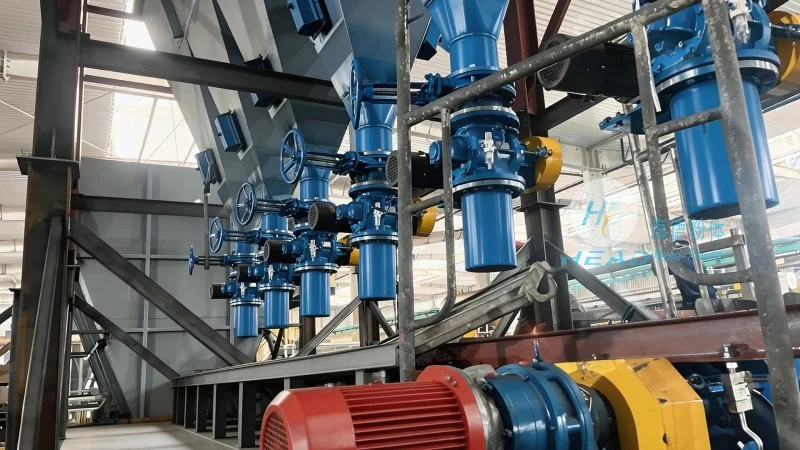
Advantages and Applications of Powder Conveying Systems
Powder material conveying systems offer numerous advantages that make them indispensable in modern industrial operations. These systems provide a continuous and controlled flow of materials, reducing manual handling and associated risks. They also enhance safety by minimizing exposure to dust and other airborne particles, which is particularly important in industries dealing with hazardous materials. Additionally, efficient conveying systems improve production efficiency by reducing downtime and increasing throughput. The applications of these systems are widespread, covering sectors such as food and beverage, pharmaceuticals, chemicals, mining, and agriculture. For example, in the food industry, powder conveyors are used to transport ingredients like flour, sugar, and spices, ensuring consistent quality and hygiene. In the pharmaceutical industry, these systems are critical for handling active pharmaceutical ingredients (APIs) and other sensitive materials, where precision and contamination control are paramount.
Conclusion and Company Commitment
In conclusion, the operation process and working principle of powder material conveying systems are essential for efficient material handling in various industries. Shandong HeadPowder Engineering Co., Ltd. stands as a leading provider of advanced conveying solutions, committed to delivering high-quality, reliable systems that meet the evolving needs of their clients. By leveraging cutting-edge technology and a deep understanding of material handling processes, HeadPowder continues to innovate and improve the performance of powder conveying systems, ensuring they remain at the forefront of industrial efficiency and safety.