

Operation Process and Working Principle of Straw Powder Material Conveying
Straw powder material conveying systems are critical components in agricultural and industrial processing facilities, ensuring efficient transport of processed straw materials from one stage to another. The operation of such systems involves a series of coordinated steps that optimize material flow, minimize downtime, and enhance overall processing efficiency.
Company Introduction
HeadPowder, or Shandong HeadPowder Engineering Co., Ltd., is a leading manufacturer specializing in the design and production of advanced material handling equipment. With a strong presence in China, particularly in Shandong, the company has established itself as a trusted provider of solutions tailored to the unique needs of straw processing industries. HeadPowder's commitment to quality, innovation, and customer satisfaction has positioned it as a key player in the material conveying sector.
Key Components of Straw Powder Conveying Systems
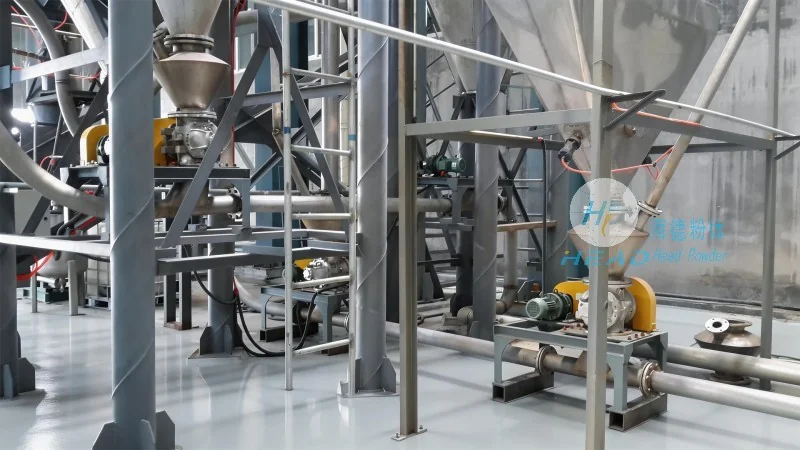
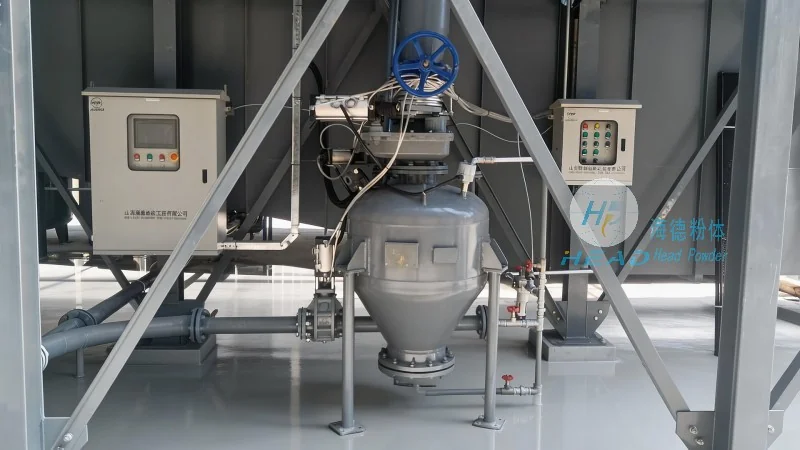
Straw powder conveying systems typically consist of several core components that work in tandem to facilitate smooth material transport. These include feed hoppers, conveyor belts or screw conveyors, control panels, and dust collection systems. Each component plays a vital role in ensuring the system operates reliably and efficiently. The feed hopper is responsible for collecting and storing the straw powder, while the conveyor mechanism transports the material to the next processing stage. Control panels allow operators to monitor and adjust system parameters, such as speed and pressure, to maintain optimal performance. Dust collection systems are essential for maintaining a clean and safe working environment by capturing airborne particles during the conveying process.
The Operation Process of Straw Powder Conveying
The operation process of a straw powder conveying system begins with the loading of raw straw into the feed hopper. Once the hopper is filled, the conveyor mechanism activates, moving the straw powder along the designated path. The speed of the conveyor is carefully controlled to prevent material buildup or spillage. As the material travels, it may pass through additional processing stages, such as drying or grinding, before reaching the final destination. The system continuously monitors the flow rate and adjusts its operation as needed to maintain a steady output. This process ensures that the straw powder is transported safely and efficiently, minimizing the risk of accidents or material loss.
Working Principle of the Conveying Mechanism
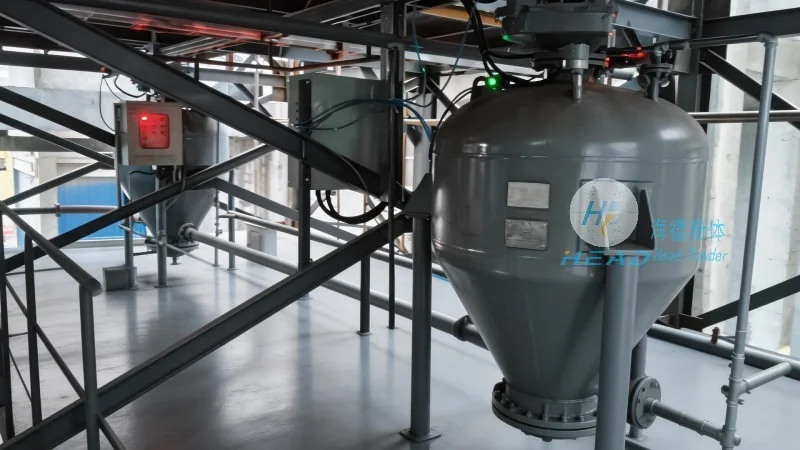
The working principle of straw powder conveying systems relies on mechanical energy to move the material. For example, screw conveyors utilize a rotating screw to push the material forward, while belt conveyors use a moving belt to transport the material. The choice of mechanism depends on factors such as the material's properties, the required conveying distance, and the desired speed. In the case of screw conveyors, the rotation of the screw creates a thrust force that propels the straw powder along the conveyor tube. The pitch and diameter of the screw are designed to optimize the conveying efficiency, ensuring that the material moves without excessive friction or resistance. Belt conveyors, on the other hand, rely on the friction between the belt and the material to move it. The tension and speed of the belt are adjusted to maintain a consistent flow rate. Both mechanisms are designed to handle the specific characteristics of straw powder, such as its light weight and tendency to create dust, ensuring reliable operation.
Advantages of Efficient Straw Powder Conveying
Efficient straw powder conveying systems offer several advantages that contribute to improved productivity and cost savings in straw processing operations. By minimizing material handling time and reducing the risk of spills or blockages, these systems enhance overall operational efficiency. Additionally, the use of advanced control systems allows for precise monitoring and adjustment of conveying parameters, leading to consistent product quality. The integration of dust collection systems not only improves workplace safety but also reduces environmental impact by controlling airborne particles. Overall, well-designed straw powder conveying systems contribute to a more sustainable and profitable operation for agricultural and industrial clients.