

Operation Process and Working Principle of Powder Silo Material Conveying System
For industrial applications that require efficient handling of bulk powders, the powder silo material conveying system is a critical component. This system is designed to manage the storage, transfer, and distribution of various powders, ensuring smooth and reliable operation in manufacturing, processing, and material handling environments. The system's design integrates advanced engineering principles to address the unique challenges of powder handling, such as dust control, flow management, and system reliability.
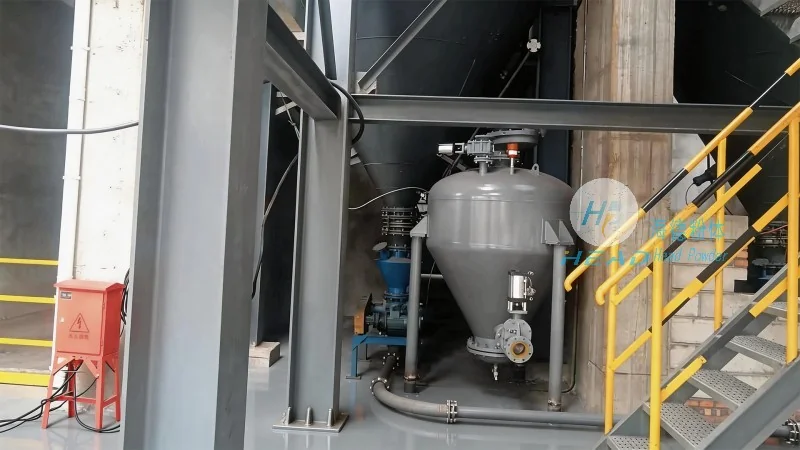
HeadPowder, a leading provider in the field, specializes in the development and implementation of these systems. With a focus on precision engineering and customer-specific solutions, HeadPowder's systems are tailored to meet the diverse needs of industries ranging from pharmaceuticals and food processing to chemical manufacturing and construction materials. The company's headquarters is located in Shandong, China, where it leverages local expertise and resources to deliver high-quality, cost-effective solutions.
Core Components of the Powder Silo Material Conveying System
At the core of the powder silo material conveying system is the silo itself, which serves as the primary storage vessel. The silo is typically constructed from durable materials like stainless steel or carbon steel, depending on the type of powder being handled and the required level of hygiene or corrosion resistance. The design of the silo includes features such as a conical bottom or a hopper to facilitate the flow of material, preventing clogging and ensuring consistent discharge. The silo is equipped with a lid or top cover that may include access ports for maintenance, cleaning, and material loading.
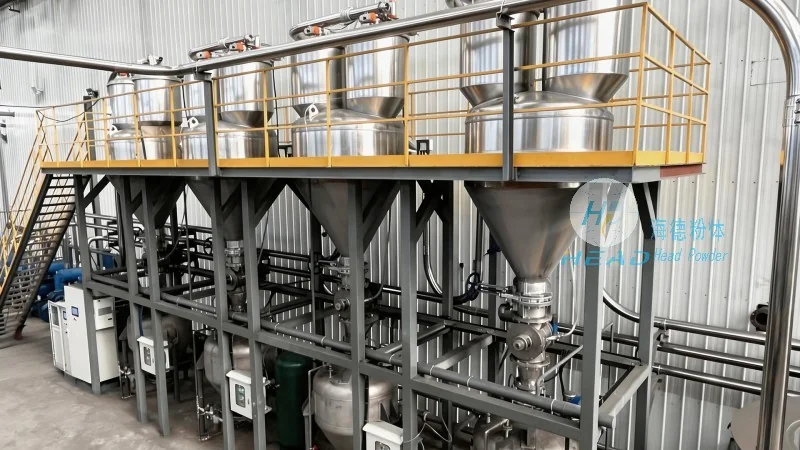
The conveying system is connected to the silo via a network of pipes, hoses, or conveyor belts, depending on the specific application. The primary components of the conveying system include a feeder, a pump or blower, and a control unit. The feeder, often a rotary valve or a screw conveyor, regulates the flow of material from the silo into the conveying line. This component is crucial for controlling the rate of material discharge, preventing overloading or underloading of the system. The pump or blower provides the necessary pressure or vacuum to move the powder through the system, ensuring efficient transfer even for materials with low flowability.
The control unit is the brain of the system, responsible for monitoring and managing all operational parameters. It includes sensors for level measurement, pressure monitoring, and flow rate control. These sensors provide real-time data to the control system, allowing for adjustments to be made automatically or manually as needed. The control unit may also include safety features such as overload protection, emergency stop buttons, and alarms for abnormal conditions, ensuring the system operates within safe and optimal parameters.
The Operation Process of the System
The operation process begins with the loading of the silo. Materials are typically fed into the silo through a top loading port, often using a hopper or a conveyor system. The loading process is carefully controlled to avoid overfilling, which could lead to material spillage or pressure buildup. Once the silo is filled to the desired level, the feeder is activated to start the material discharge process. The feeder regulates the flow rate, ensuring a steady stream of material enters the conveying line.
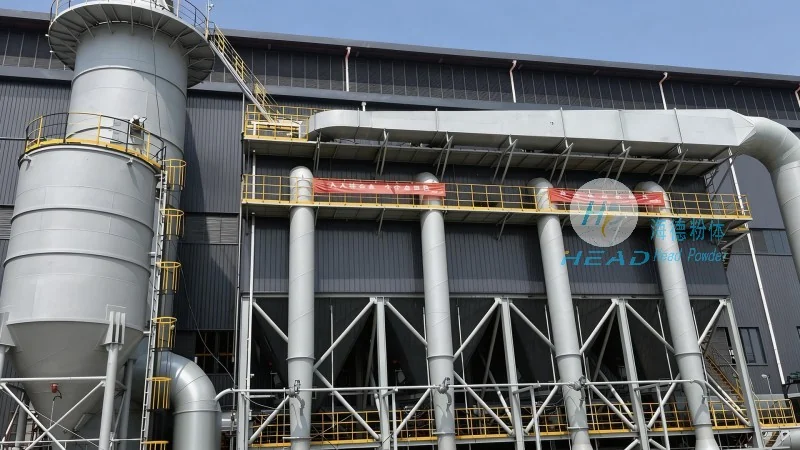
As the material moves through the conveying system, it is transported to the desired destination, such as a processing unit, a packaging line, or a storage container. The system may include intermediate storage tanks or surge bins to buffer the flow and prevent interruptions in the process. The conveying line is designed to minimize pressure drop and maintain consistent flow, which is essential for preventing material degradation or clogging. The system may also include cleaning mechanisms, such as air knives or sweepers, to maintain the cleanliness of the pipes and prevent the buildup of residual material.
Working Principle of the Powder Silo Material Conveying System
The working principle of the powder silo material conveying system is based on the principles of fluidization and pneumatic transport. In pneumatic conveying, the powder is suspended in a stream of air or gas, creating a mixture known as a slurry. The air flow provides the necessary momentum to move the powder through the system, while the pressure differential between the inlet and outlet ensures the material is transported efficiently. The system may use either positive pressure (where air is blown into the system) or negative pressure (where air is drawn out), depending on the application and the characteristics of the powder.
Fluidization is another key principle used in some conveying systems, particularly for materials with poor flowability. In this method, the powder is suspended in a fluidizing medium, such as air or gas, which creates a fluid-like state. This allows the material to be moved through the system with less resistance, improving the efficiency of the conveying process. The fluidizing air is introduced through a porous medium, such as a perforated plate or a mesh, ensuring uniform suspension of the powder.
Factors Influencing System Performance
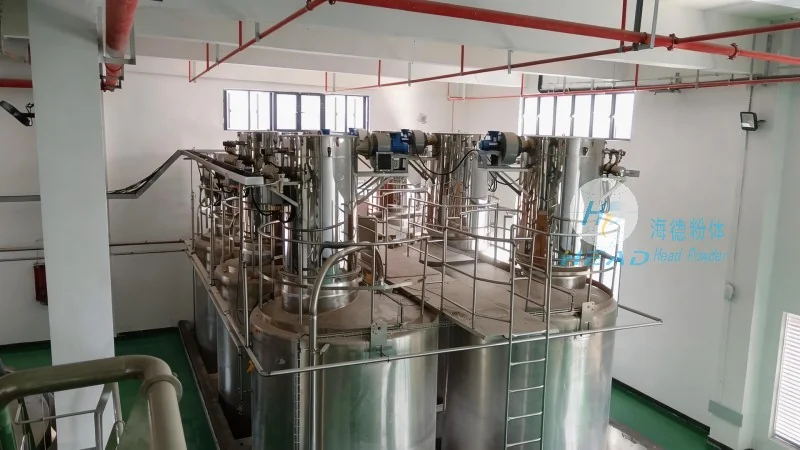
The system's performance is influenced by several factors, including the properties of the powder, the design of the conveying line, and the operational parameters. The powder's particle size, density, and moisture content affect its flowability and transport characteristics. Larger or denser particles may require higher pressure or air flow rates to move efficiently. The conveying line's diameter, length, and inclination also impact the system's performance, as these factors affect the pressure drop and the required power input. Proper system design and maintenance are essential to ensure optimal performance and longevity of the equipment.
HeadPowder's Customized Solutions
HeadPowder's expertise lies in customizing these systems to meet the specific requirements of each client. By working closely with customers, the company identifies the unique challenges of their application and designs a system that addresses those challenges effectively. This approach ensures that the system operates efficiently, reliably, and safely, minimizing downtime and maximizing productivity. The company's commitment to quality and customer satisfaction has made it a trusted partner in the industry, providing solutions that meet the highest standards of performance and durability.