

Operation Process and Working Principle of Stone Aggregate Conveyor Lines
Stone aggregate conveyor lines are essential components in the construction and mining industries, facilitating the efficient transportation of bulk materials such as gravel, crushed stone, and sand. These systems are designed to handle heavy loads over long distances with minimal human intervention, making them indispensable for modern material handling operations. The operation process and working principle of such conveyor lines involve a series of coordinated mechanical and electrical components that work together to ensure smooth and reliable material movement.
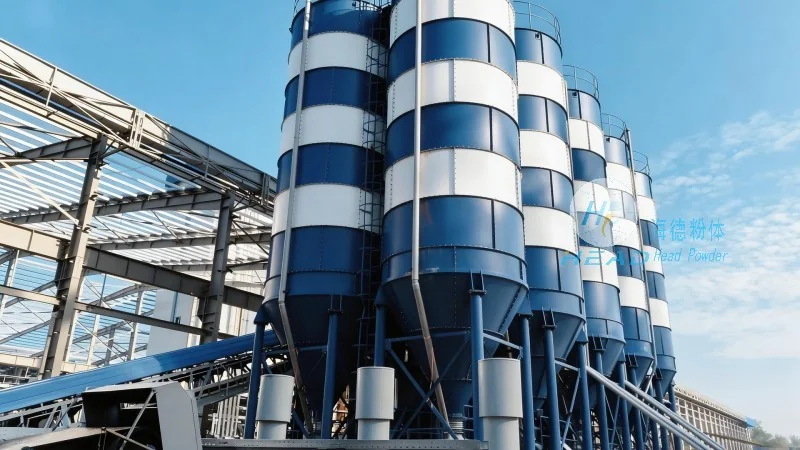
Company Background: Shandong HeadPowder Engineering Co., Ltd.
HeadPowder Engineering Co., Ltd., a leading manufacturer based in Shandong, China, specializes in the design, manufacturing, and installation of high-quality conveyor systems tailored to the needs of the construction and mining sectors. With years of experience and a commitment to innovation, HeadPowder has established itself as a trusted partner for businesses seeking reliable and efficient material handling solutions. The company's expertise lies in developing customized conveyor lines that meet specific operational requirements, ensuring optimal performance and durability in demanding environments.
Overview of the Stone Aggregate Conveyor Line Operation Process
The operation process of a stone aggregate conveyor line typically begins with the loading of raw materials into the hopper or feed inlet. The hopper is designed to evenly distribute the material and prevent blockages, ensuring a consistent flow into the conveyor system. Once the material is fed into the conveyor, it travels along the belt or chain, which is driven by a motor and pulley system. The conveyor belt, often made of durable rubber or synthetic materials, is supported by rollers and idlers that maintain its tension and alignment. As the material moves along the belt, it is transported to the discharge point, where it is released into a storage bin or directly to the next processing stage.
Step-by-Step Breakdown of the Conveyor Line Operation
1. **Material Loading**: The initial step involves feeding the stone aggregate into the hopper. The hopper is equipped with a feeding mechanism, such as a vibrating feeder or a screw conveyor, which ensures a controlled and steady flow of material into the conveyor. This step is crucial for preventing overloading and maintaining the efficiency of the system.
2. **Belt Movement**: The conveyor belt, powered by an electric motor connected to a drive pulley, moves continuously. The motor provides the necessary torque to move the belt at a predetermined speed, which is adjustable based on the material type and required throughput. The belt is supported by a series of rollers and idlers that keep it taut and prevent sagging, ensuring smooth material transport.
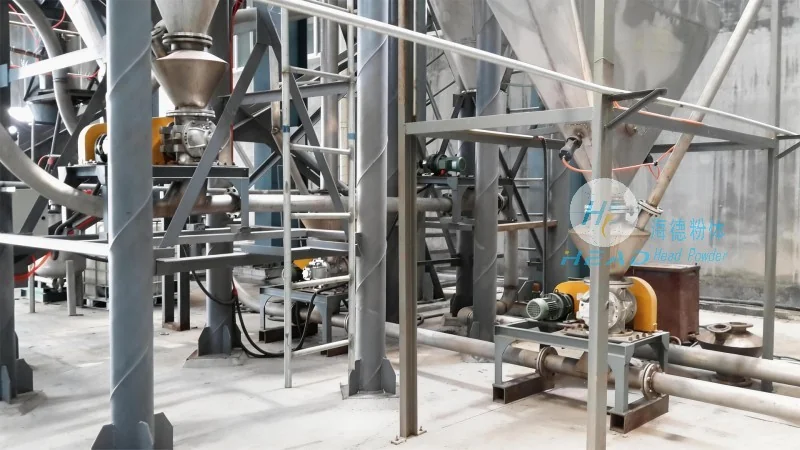
3. **Material Transport**: As the material is deposited onto the moving belt from the hopper, it is carried forward by the belt's motion. The belt's surface texture and the weight of the material help maintain the material's position, preventing spillage or loss during transport. The conveyor line may include multiple sections, such as inclines or declines, to adjust the material's elevation as needed.
4. **Discharge and Collection**: At the end of the conveyor line, the material is discharged into a collection bin or directly to the processing equipment. The discharge mechanism is designed to release the material in a controlled manner, avoiding blockages or spillage. Some systems may include a secondary conveyor or a screening unit to further process the material before final use.
Working Principle of the Stone Aggregate Conveyor Line
The working principle of a stone aggregate conveyor line is based on the mechanical transmission of power and the gravitational or belt-driven movement of materials. The system relies on a combination of components that work in harmony to achieve efficient material handling. The key components include the hopper, conveyor belt, drive system, support rollers, and control mechanisms.
**Drive System**: The drive system consists of an electric motor, a gearbox, and a drive pulley. The motor converts electrical energy into mechanical energy, which is transmitted through the gearbox to increase torque and reduce speed. The drive pulley is connected to the conveyor belt, and as it rotates, it pulls the belt along the rollers, moving the material forward. The speed of the motor can be adjusted to control the conveyor's throughput, allowing for flexibility in handling different material volumes.
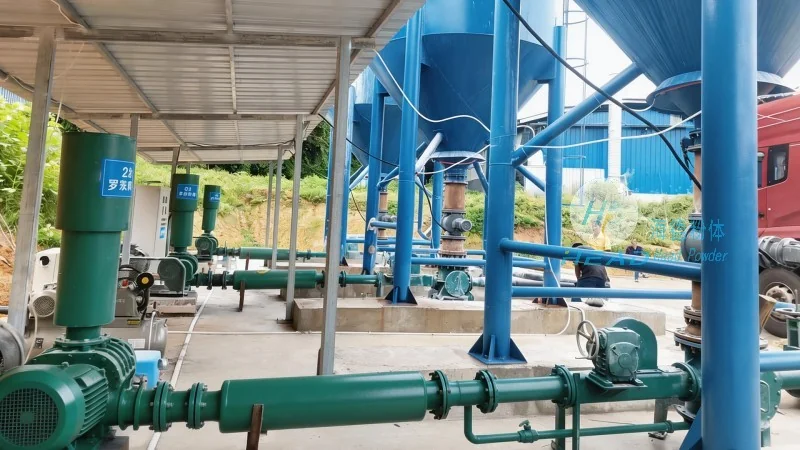
**Conveyor Belt**: The conveyor belt is the primary component that carries the stone aggregate. It is typically made of rubber or polyurethane, which provides durability and resistance to abrasion from the materials being transported. The belt is reinforced with layers of fabric or steel to withstand heavy loads and extend its service life. The belt's surface may have a textured pattern to improve traction and prevent material slippage.
**Support System**: The conveyor line is supported by a series of rollers and idlers that maintain the belt's tension and alignment. The rollers are mounted on a frame and rotate as the belt moves, reducing friction and wear. The idlers are used at the ends of the conveyor to guide the belt and prevent it from deviating from its path. Proper alignment and tension of the belt are critical for the smooth operation of the system and to prevent material spillage.
**Control and Safety Systems**: Modern stone aggregate conveyor lines are equipped with control systems that monitor the operation and ensure safety. These systems may include sensors to detect blockages or overloads, emergency stop buttons, and variable frequency drives (VFDs) to adjust the motor speed. The control panel allows operators to monitor the system's performance, adjust settings, and receive alerts in case of any issues. Safety features such as guardrails and interlocked access points are also incorporated to protect personnel from moving parts.
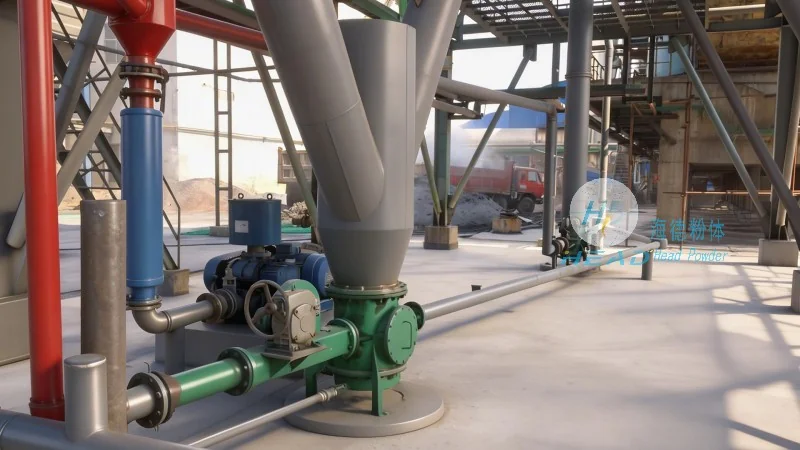
Key Features and Benefits of Stone Aggregate Conveyor Lines
Stone aggregate conveyor lines offer several advantages that make them ideal for industrial applications. These include high efficiency in material transport, low maintenance requirements, and the ability to handle large volumes of bulk materials. The systems are designed to operate continuously with minimal downtime, reducing operational costs and increasing productivity. Additionally, the modular design of conveyor lines allows for easy expansion or modification to accommodate changing production needs. The durability of the components, such as the conveyor belt and rollers, ensures long-term performance even in harsh operating conditions.
Applications and Use Cases
Stone aggregate conveyor lines are widely used in various industries, including construction, mining, and aggregate processing. In construction, they are used to transport gravel, sand, and crushed stone from storage facilities to building sites. In mining operations, they help move ore and rock from the extraction site to processing plants. The conveyor lines are also used in aggregate processing plants to transport raw materials through screening, washing, and crushing stages. The flexibility of the systems allows them to be integrated into existing production lines or used as standalone units for material handling tasks.
Maintenance and Operational Considerations
Proper maintenance is essential to ensure the reliable operation of stone aggregate conveyor lines. Regular inspections of the conveyor belt, rollers, and drive system are necessary to identify and address any issues before they cause downtime. The belt tension should be checked regularly to prevent sagging or excessive wear. Lubrication of the rollers and bearings is also important to reduce friction and extend the life of the components. Additionally, cleaning the conveyor system and removing debris from the belt and rollers helps maintain efficiency and prevent material buildup. Operators should follow the manufacturer's guidelines for maintenance and operational procedures to ensure optimal performance and safety.
Conclusion
Stone aggregate conveyor lines are critical equipment for efficient material handling in the construction and mining industries. The operation process involves a series of coordinated steps, from material loading to discharge, while the working principle relies on mechanical components that work together to transport bulk materials. Companies like Shandong HeadPowder Engineering Co., Ltd. play a vital role in designing and manufacturing these systems, providing customized solutions that meet the specific needs of their clients. By understanding the operation process and working principle of stone aggregate conveyor lines, businesses can optimize their material handling operations, reduce costs, and improve overall productivity.