

Operation Process and Working Principle of Feed Material Conveying Lines
Feed material conveying lines are essential components in the feed manufacturing industry, designed to efficiently transport bulk materials such as grains, pellets, and other feed ingredients from storage areas to processing or packaging stations. The operation of these systems involves a series of coordinated mechanisms that ensure smooth, reliable, and safe material handling. This article explores the detailed operation process and working principles of feed material conveying lines, highlighting key components and the systematic approach to material transport.
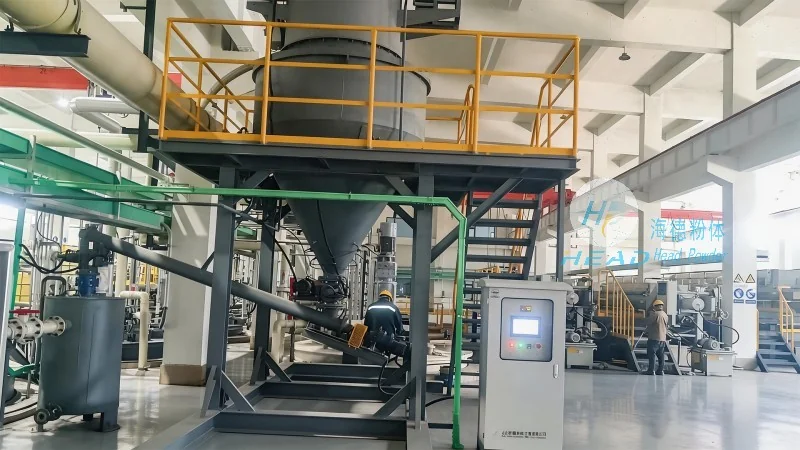
Key Components of Feed Material Conveying Lines
At the core of any feed material conveying line are several critical components that work in tandem to achieve efficient material movement. These include feed hoppers, which store and regulate the flow of raw materials; conveyor belts or screw conveyors, which act as the primary transport mechanisms; drive systems, such as electric motors and gearboxes, that provide the necessary power; and control panels, which monitor and adjust the system's performance. Additionally, safety features like emergency stop buttons and overload protection are integrated to ensure operational safety and prevent equipment damage.
The Operation Process of Feed Material Conveying Lines
The operation process of a feed material conveying line typically begins with the loading of raw materials into the feed hopper. As the hopper fills, a sensor detects the material level and triggers the conveyor system to start. The conveyor then moves the material through a series of sections, which may include elevation changes or horizontal transport. During this process, the material is continuously monitored for flow consistency, with adjustments made by the control panel to maintain optimal speed and pressure. Once the material reaches the end of the line, it is discharged into a processing or packaging unit, completing the transport cycle.
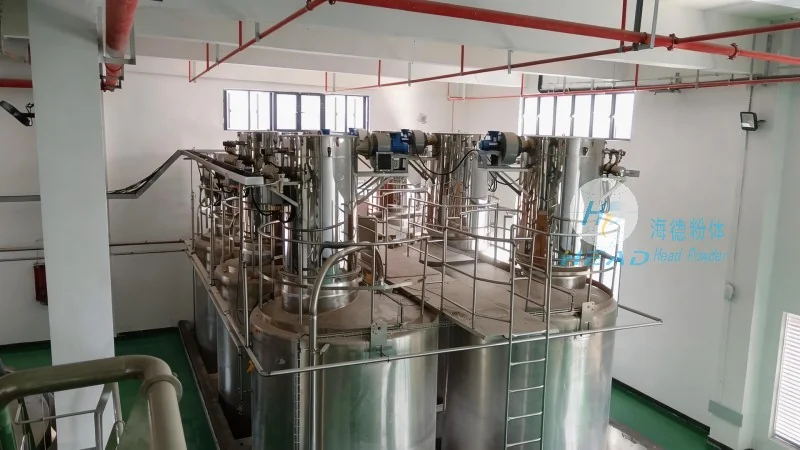
Working Principles of Feed Material Conveying Lines
The working principles of feed material conveying lines are based on mechanical and hydraulic systems that facilitate the movement of bulk materials. For example, belt conveyors utilize friction between the conveyor belt and the material to pull the feed forward, while screw conveyors use rotating screws to push material along a tube. The drive system converts electrical energy into mechanical energy, which is then transmitted to the conveyor components. Control systems, often equipped with programmable logic controllers (PLCs), regulate the speed, direction, and timing of the conveyor operation, ensuring precise material handling. This integrated approach allows for consistent and efficient transport of feed materials, minimizing downtime and maximizing productivity.
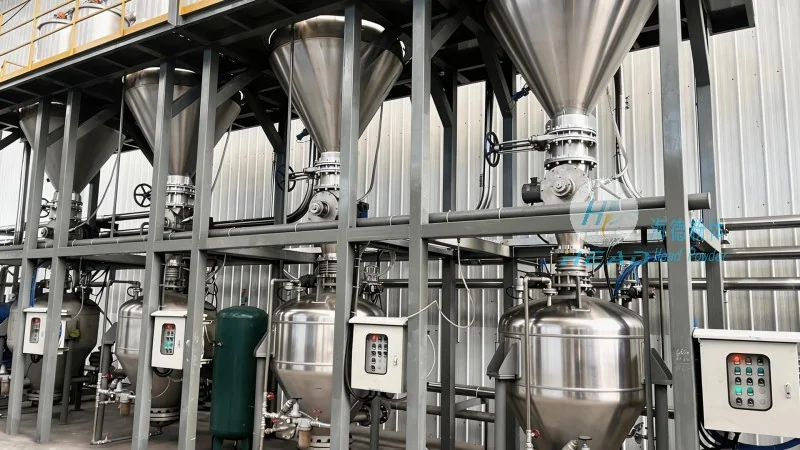
Company Overview: Shandong HeadPowder Engineering Co., Ltd.
Shandong HeadPowder Engineering Co., Ltd., a leading manufacturer in the feed processing equipment industry, specializes in the design, manufacturing, and installation of feed material conveying lines. With a strong commitment to quality and innovation, the company has developed advanced solutions tailored to the specific needs of the feed manufacturing sector. HeadPowder's products are engineered to meet international standards, ensuring durability, efficiency, and reliability in various operational environments. The company's headquarters is located in Shandong, China, where it maintains state-of-the-art manufacturing facilities and a dedicated team of engineers and technicians.
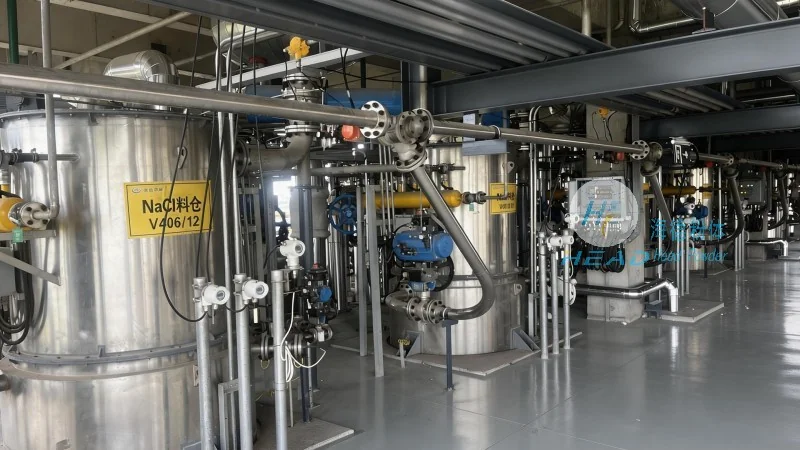
Benefits of Efficient Feed Material Conveying Lines
Efficient feed material conveying lines offer numerous benefits to feed manufacturers, including improved production throughput, reduced labor costs, and enhanced material handling safety. By streamlining the transport process, these systems minimize material waste and prevent contamination, which is critical in the feed industry. Additionally, the use of advanced control systems allows for real-time monitoring and adjustment, enabling operators to respond quickly to changes in production demands. This results in increased overall equipment effectiveness (OEE) and a competitive edge in the market.
Conclusion
In summary, feed material conveying lines are sophisticated systems that play a vital role in the feed manufacturing process. Their operation relies on a combination of mechanical, electrical, and control components that work together to ensure efficient material transport. Companies like Shandong HeadPowder Engineering Co., Ltd. continue to advance these technologies, providing reliable and efficient solutions that meet the evolving needs of the feed industry. By understanding the operation process and working principles of these systems, manufacturers can optimize their operations and achieve higher levels of productivity and profitability.