

Operation Process and Working Principle of Gypsum Powder and Fly Ash Material Handling System Equipm
For industrial applications that require the efficient transportation of gypsum powder and fly ash, specialized material handling systems are essential. These systems ensure safe, reliable, and continuous operation, which is crucial for maintaining production efficiency and product quality. This article provides an in-depth look at the operation process and working principle of such a system, highlighting the key components and the step-by-step procedures involved.
Introduction to the Gypsum Powder and Fly Ash Material Handling System
HeadPowder, a leading manufacturer based in Shandong, China, has developed advanced material handling solutions tailored for the transportation of gypsum powder and fly ash. The system is designed to meet the demands of various industrial sectors, including power plants, cement production, and construction material manufacturing. By integrating robust components and intelligent control mechanisms, the system ensures optimal performance under diverse operational conditions.
Key Components of the Material Handling System
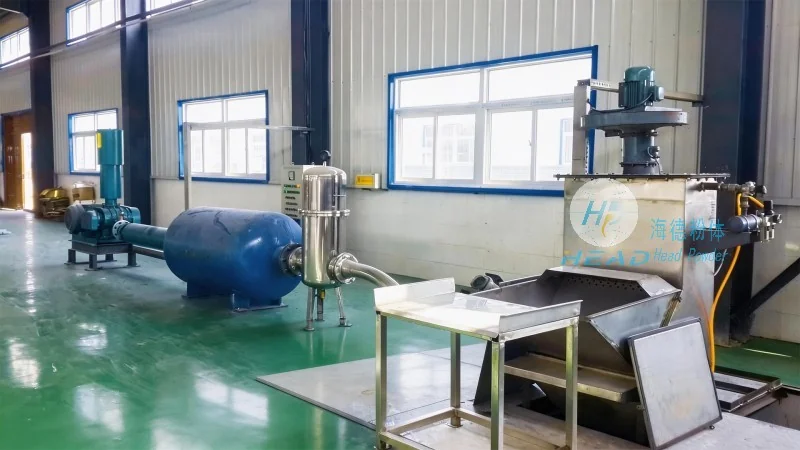
The gypsum powder and fly ash material handling system comprises several critical components that work in tandem to achieve efficient material transport. These include feeders, conveyors, dust collection systems, and control panels. Each component is engineered to handle the specific characteristics of gypsum powder and fly ash, such as their fine particle size and potential for dust generation. The feeders are responsible for uniformly feeding the material into the conveyor system, while the conveyors transport the material to the desired destination. The dust collection system ensures compliance with environmental regulations by capturing and filtering airborne particles, preventing contamination and ensuring a safe working environment.
Operation Process of the System
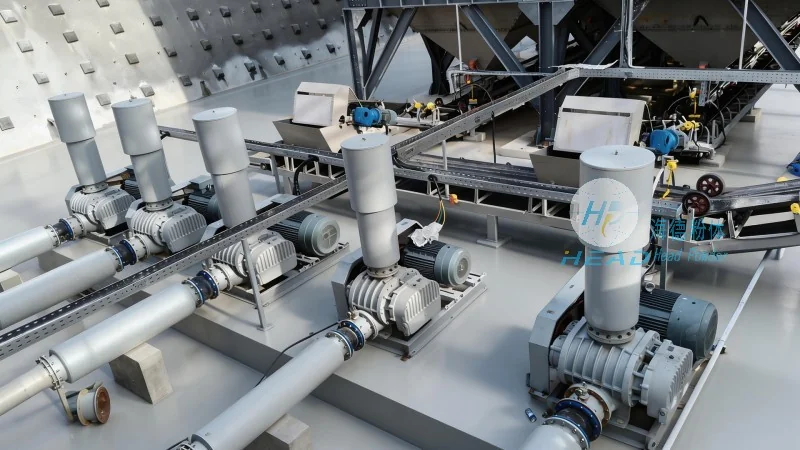
The operation of the gypsum powder and fly ash material handling system follows a systematic sequence of steps. The process begins with the preparation of the material, where the gypsum powder and fly ash are stored in bulk containers or silos. The feeders then pick up the material from the storage and feed it into the conveyor system. The conveyor system, typically equipped with a belt or screw mechanism, transports the material through the system. The material is then discharged at the receiving end, where it may be further processed or stored. The control panel monitors all operational parameters, including flow rate, pressure, and temperature, ensuring that the system operates within safe and efficient limits. Operators can adjust the system settings as needed to adapt to changes in material volume or processing requirements.
Working Principle of the System
The working principle of the gypsum powder and fly ash material handling system is based on mechanical and pneumatic processes. The feeders use a combination of gravity and mechanical force to move the material from the storage to the conveyor. The conveyor system utilizes a continuous belt or screw to transport the material horizontally or vertically, depending on the layout of the facility. The dust collection system employs filtration and cyclone separation to capture and remove airborne particles, ensuring that the material remains dry and free from contamination. The control panel uses sensors and feedback mechanisms to regulate the flow rate and pressure, maintaining consistent performance. The system is designed to be energy-efficient, with minimal power consumption and low maintenance requirements, making it a cost-effective solution for industrial material handling.
Benefits of Using the Gypsum Powder and Fly Ash Material Handling System
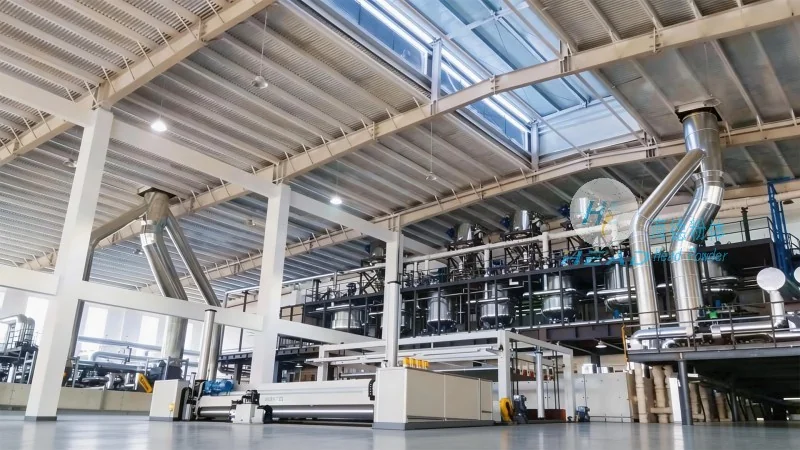
Implementing the gypsum powder and fly ash material handling system offers several advantages for industrial operations. Firstly, it enhances operational efficiency by ensuring continuous and reliable material transport, reducing downtime and increasing production output. Secondly, the system improves safety by minimizing the risk of dust explosions and inhalation hazards through effective dust collection. Thirdly, it reduces environmental impact by complying with emission standards and preventing material loss. Additionally, the system is designed for easy maintenance and low operational costs, providing long-term value for industrial users. The robust construction and durable components ensure a long service life, reducing the need for frequent replacements and repairs.
Conclusion
The gypsum powder and fly ash material handling system from Shandong HeadPowder Engineering Co., Ltd. is a reliable and efficient solution for industrial material transport. By understanding the operation process and working principle, users can optimize their operations and ensure compliance with industry standards. The system's design and components are tailored to handle the unique characteristics of gypsum powder and fly ash, making it an ideal choice for various industrial applications. With its focus on safety, efficiency, and environmental responsibility, the system contributes to the overall success of industrial operations.