

Operation Process and Working Principle of Dry Sand Powder Pneumatic Conveying
Shandong HeadPowder Engineering Co., Ltd., commonly known as HeadPowder, is a professional manufacturer and supplier specializing in pneumatic conveying systems for dry powders and granular materials. With a focus on industrial applications, the company provides high-quality equipment tailored to the needs of various industries, including construction, chemical, food processing, and more. HeadPowder is committed to delivering reliable and efficient solutions for material handling challenges, ensuring safe and effective transportation of dry sand and other powders.
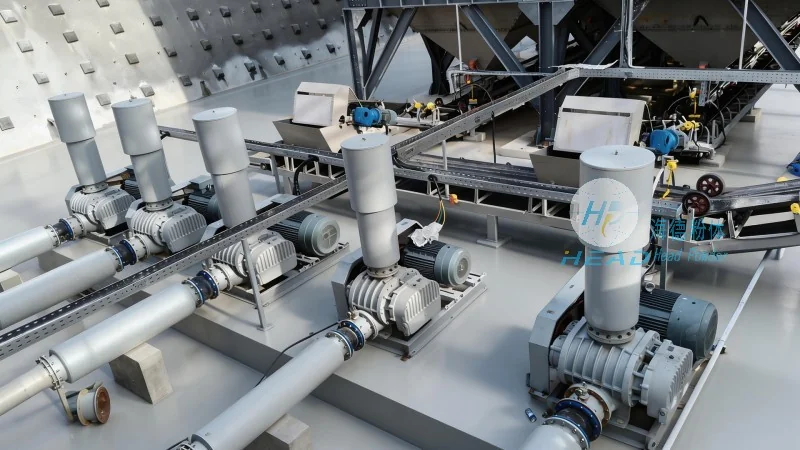
Pneumatic Conveying System for Dry Sand
HeadPowder's pneumatic conveying system is specifically designed for the efficient and safe transportation of dry sand and other fine powders. This technology utilizes compressed air to move particles through a pipeline system, eliminating the need for mechanical components like belts or buckets. The system is engineered to handle abrasive materials such as sand, ensuring durability and long-term performance. Key components include a feeding hopper, air compressor, and conveying pipeline, all integrated to provide a seamless material transport solution. The system is designed to maintain particle integrity and prevent contamination, making it suitable for applications where material quality is critical.
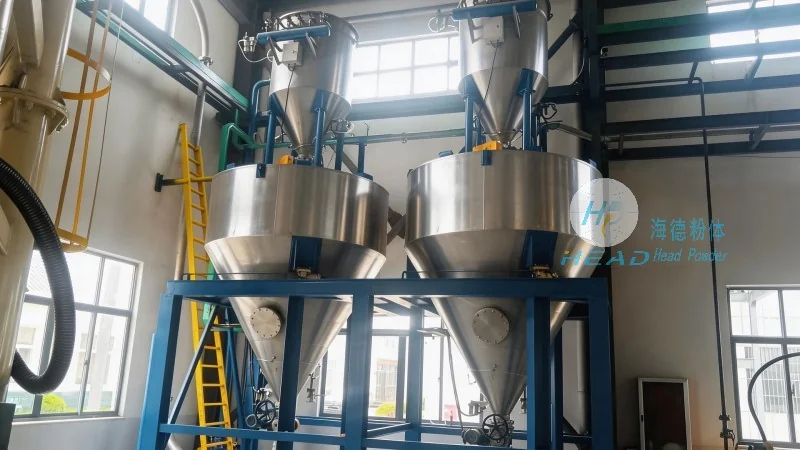
Operation Process of Dry Sand Pneumatic Conveying
The operation process of the dry sand pneumatic conveying system involves several key steps. First, dry sand is loaded into the feeding hopper, where it is stored and prepared for transport. The system then activates the air compressor, which generates the necessary pressure to move the particles. As air is introduced into the pipeline, it creates a flow that lifts and transports the sand from the hopper to the discharge point. The conveying process is continuous, allowing for steady material flow and minimizing downtime. The system includes controls to regulate air pressure and flow rate, ensuring optimal performance and preventing overloading or underloading of the pipeline. This process is highly efficient, capable of handling large volumes of dry sand with minimal energy consumption.
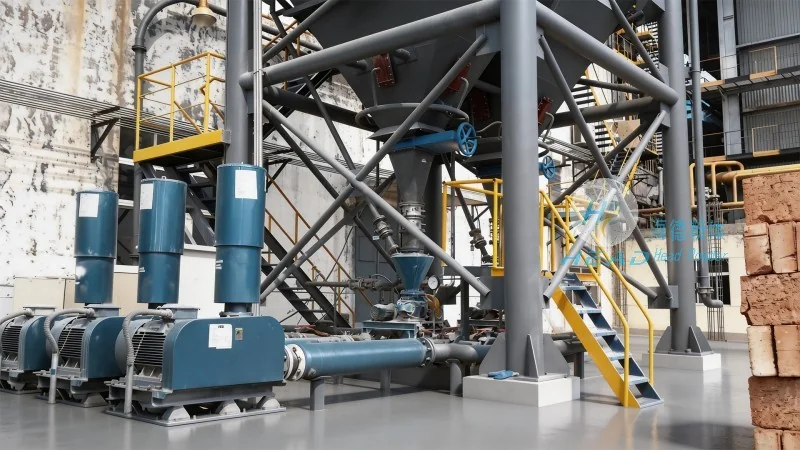
Working Principle of Pneumatic Conveying
The working principle of the dry sand pneumatic conveying system is based on the principles of fluid dynamics and particle movement. Compressed air is introduced into the conveying pipeline, creating a low-pressure zone that draws the dry sand particles into the flow. The air acts as a carrier, suspending the particles and moving them through the system. The velocity of the air is critical; it must be sufficient to lift the particles but not so high as to cause excessive wear on the pipeline or components. The system uses a combination of positive and negative pressure to transport materials, with the air compressor providing the necessary pressure to initiate the process. The discharge point is typically equipped with a filter or separator to remove any remaining air and particles, ensuring clean material delivery. This principle allows for flexible and versatile material handling, adapting to different particle sizes and flow rates.
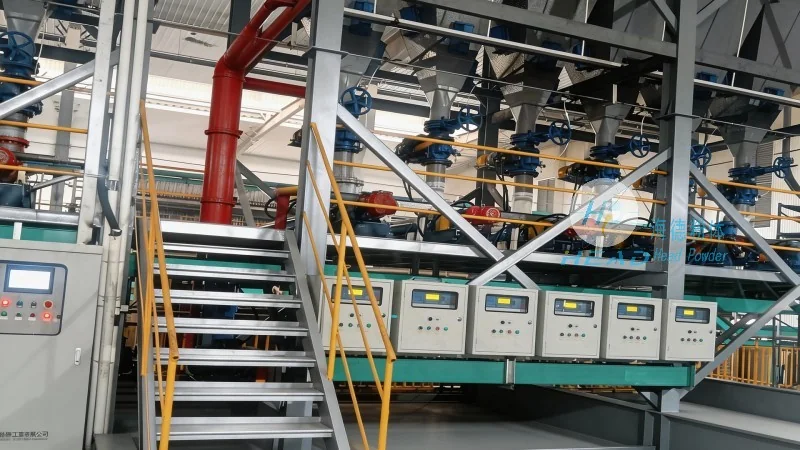
Advantages and Applications
HeadPowder's dry sand pneumatic conveying system offers several advantages over traditional material handling methods. It provides a dust-free and clean transport solution, reducing the risk of contamination and improving workplace safety. The system is also highly efficient, with lower energy consumption compared to mechanical conveyors. Additionally, it is capable of handling abrasive materials like sand without significant wear, extending the lifespan of components. The system is widely used in industries such as construction for transporting sand to job sites, in chemical processing for moving raw materials, and in food processing for handling dry ingredients. The flexibility of the system allows for easy integration into existing production lines, making it a practical solution for various industrial applications.