

Operation Process and Working Principle of Borax Powder Pneumatic Conveying System
HeadPowder, a leading engineering firm based in Shandong, China, specializes in the design, installation, and maintenance of advanced pneumatic conveying systems for various industrial applications, including the handling of borax powder. This article provides a detailed overview of the operational process and underlying principles of a borax powder pneumatic conveying system, highlighting the key components, flow mechanisms, and practical considerations for efficient material transport.
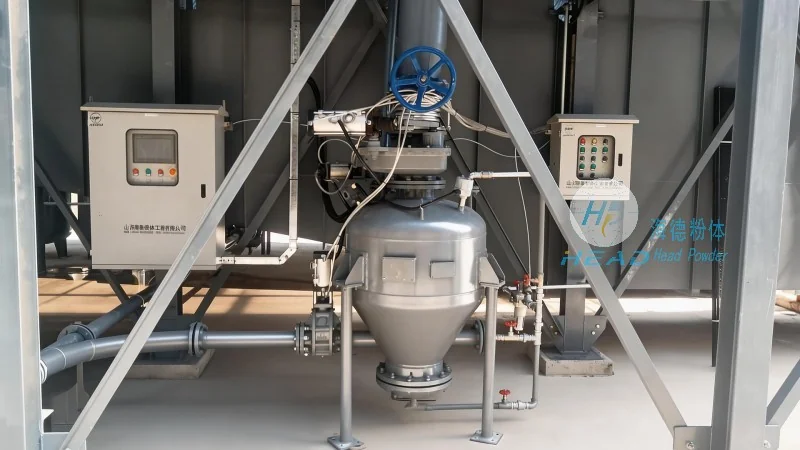
Key Components of a Borax Powder Pneumatic Conveying System
A borax powder pneumatic conveying system typically consists of several critical components that work in tandem to ensure reliable and efficient material transport. The primary components include a material hopper, a rotary feeder or airlock valve, a conveying line (often equipped with pulse-jet filters or cyclone separators), a vacuum or pressure blower, and a discharge hopper or storage tank. Each component plays a vital role in the overall system performance, ensuring that borax powder is moved safely and effectively from its source to the destination.
The Working Principle of Pneumatic Conveying
Pneumatic conveying operates on the principle of using air or gas to transport particulate materials like borax powder through a pipeline. The system can be categorized into two main types: pressure conveying and vacuum conveying. In pressure conveying, a positive pressure blower generates air that pushes the material through the pipeline, while in vacuum conveying, a negative pressure system pulls the material from the source. For borax powder, which is often handled in bulk quantities, pressure conveying is commonly preferred due to its ability to handle higher material loads and longer distances without significant pressure loss.
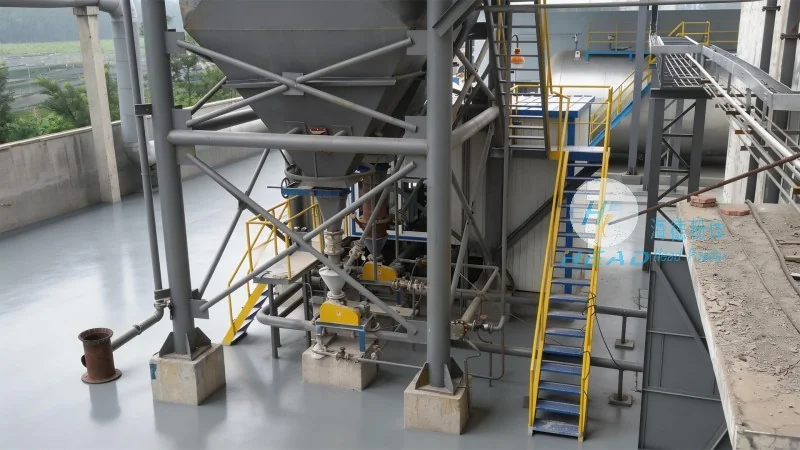
Operational Process of a Borax Powder Pneumatic Conveying System
The operational process of a borax powder pneumatic conveying system begins with the material being fed from the hopper into the rotary feeder. The feeder regulates the flow rate of the borax powder, ensuring a consistent and controlled supply to the conveying line. Simultaneously, the blower generates the necessary air pressure or vacuum, which is then introduced into the conveying line. As the air flows through the pipeline, it lifts and transports the borax powder particles, forming a dense phase or dilute phase flow depending on the system design and operating conditions. The conveying line may include additional components such as pulse-jet filters to separate the powder from the air and prevent clogging, or cyclone separators to capture the material and return it to the system if needed.
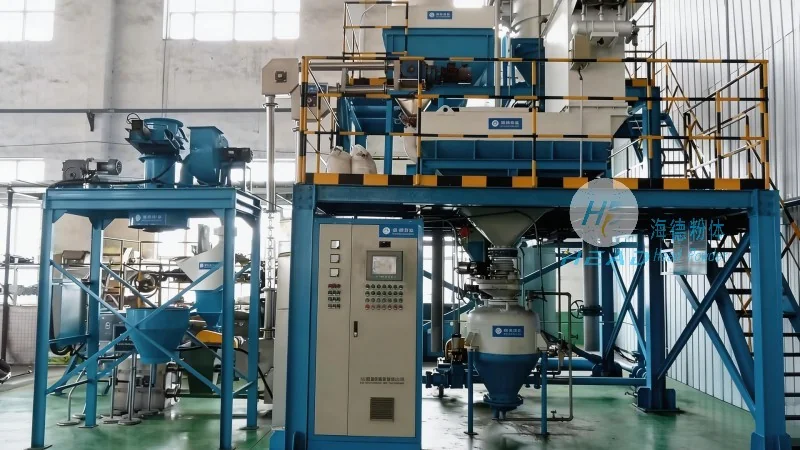
System Integration and Control
Effective operation of a borax powder pneumatic conveying system relies on precise integration and control of its components. The system is typically equipped with sensors and control panels that monitor parameters such as pressure, flow rate, and material level. These controls ensure that the system operates within optimal parameters, preventing issues like overloading, clogging, or pressure fluctuations. For example, the rotary feeder can be adjusted to maintain a steady material feed rate, while the blower speed can be modulated to adjust the air flow and pressure as needed. This integration allows for smooth and continuous operation, minimizing downtime and maximizing material throughput.

Advantages and Considerations for Borax Powder Handling
Using a pneumatic conveying system for borax powder offers several advantages over traditional methods like belt conveyors or bucket elevators. These systems are highly efficient in terms of energy consumption, as they can transport materials over long distances with minimal power input. Additionally, pneumatic conveying systems are less prone to material degradation, as the material is enclosed within the pipeline, protecting it from environmental factors such as moisture or contamination. However, there are also considerations to keep in mind, such as the need for regular maintenance of components like filters and blower motors, and the potential for pressure buildup in the system, which requires proper safety measures and pressure relief valves.
Conclusion
HeadPowder's expertise in designing and implementing borax powder pneumatic conveying systems ensures that industrial facilities can achieve efficient, reliable, and safe material transport. By understanding the operational process and working principles of such systems, users can optimize their material handling processes, reduce operational costs, and enhance overall productivity. With a strong presence in Shandong, China, HeadPowder continues to provide tailored solutions for various industrial applications, helping clients achieve their material handling goals effectively.