

Operation Process and Working Principle of Sulfur Tablet Powder Pneumatic Conveying Equipment
The Sulfur Tablet Powder Pneumatic Conveying Equipment, developed by Shandong HeadPowder Engineering Co., Ltd., is a specialized system designed to efficiently transport sulfur tablet powders in industrial settings. This equipment is particularly crucial in processes where the safe and reliable movement of bulk sulfur powders is essential, ensuring minimal product loss and maintaining consistent quality throughout the conveying process.
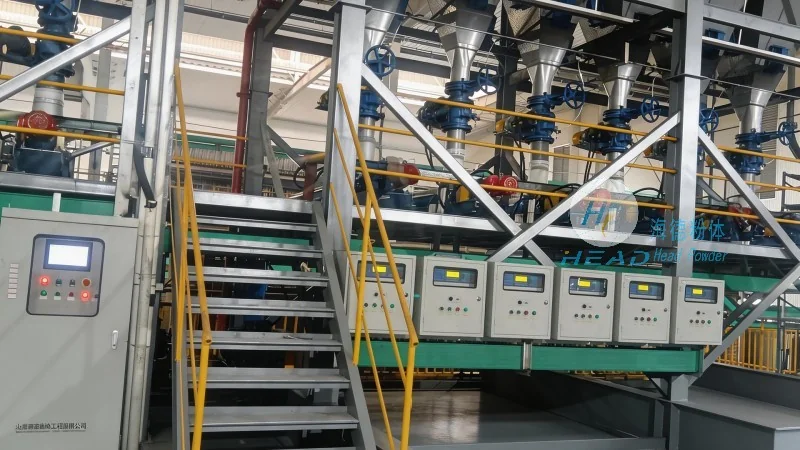
Overview of the Equipment
As a key component in bulk material handling, the Sulfur Tablet Powder Pneumatic Conveying Equipment is engineered to handle the unique challenges associated with sulfur tablet powders. These powders are often fine, dusty, and require careful handling to prevent agglomeration and loss. The equipment addresses these challenges through a combination of advanced pneumatic technology and robust construction, making it suitable for continuous production lines in various industries.
Working Principle of the Pneumatic Conveying System
The core working principle of the pneumatic conveying system involves the use of compressed air to create a flow that propels the sulfur tablet powders through a network of pipes. The system operates by generating a pressure differential between the inlet and outlet of the conveying line, which draws the powder into the system and moves it to the desired destination. This method eliminates the need for mechanical components like belts or buckets, reducing maintenance requirements and minimizing the risk of product contamination. The air flow is carefully controlled to ensure the powder particles are suspended and transported smoothly, preventing blockages and ensuring consistent performance.
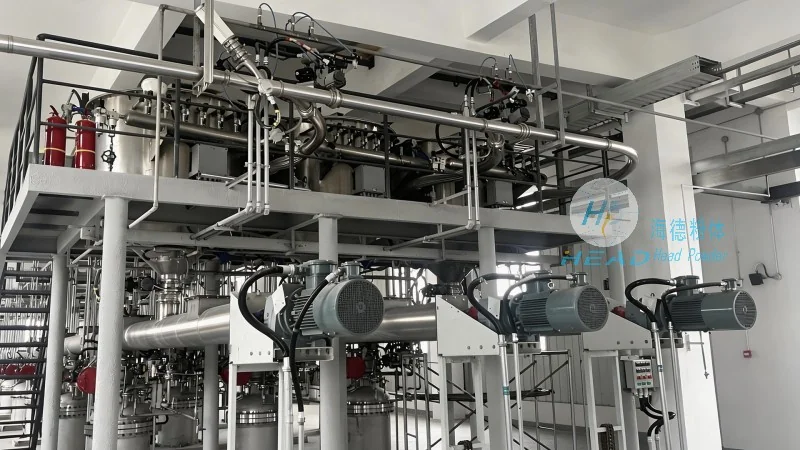
Detailed Operation Process
The operation process of the Sulfur Tablet Powder Pneumatic Conveying Equipment begins with the loading of sulfur tablets into the hopper or feeder. The feeder then gradually releases the tablets into the conveying line, where they are mixed with the compressed air stream. As the air flows through the pipes, it carries the powder particles forward, ensuring a smooth and continuous transport. The system is equipped with control valves and pressure sensors to regulate the flow rate and maintain optimal pressure levels, preventing blockages and ensuring the system operates efficiently and safely. The receiving hopper at the end of the line collects the conveyed powder, ready for further processing or packaging.
Key Components and Their Functions
Key components of the equipment include the material hopper, rotary feeder, air compressor, conveying pipes, and control system. The material hopper is designed to store the sulfur tablets and provide a uniform feed to the feeder, preventing material buildup and ensuring consistent discharge. The rotary feeder controls the discharge rate of the tablets, using a rotating mechanism to regulate the flow, which is critical for maintaining a steady powder stream into the conveying line. The air compressor generates the necessary pressure to move the powder, with adjustable settings to match the required conveying capacity. The conveying pipes are made of durable materials, such as stainless steel or corrosion-resistant alloys, to withstand the chemical properties of sulfur powders and prevent degradation over time. The control system monitors and adjusts the pressure and flow, using sensors to detect any changes and automatically adjust the air compressor output or feeder speed to maintain optimal conditions.
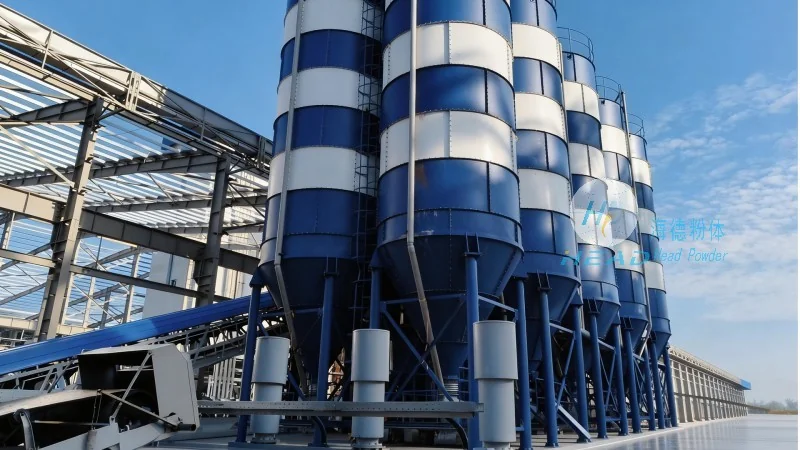
Advantages and Applications in Sulfur Tablet Handling
The Sulfur Tablet Powder Pneumatic Conveying Equipment offers several advantages over traditional mechanical conveying methods. It provides a dust-free environment, reducing the risk of respiratory issues among operators and minimizing product contamination from airborne particles. The system is also flexible, allowing for changes in conveying distance and volume without significant modifications, making it adaptable to different production scales and layouts. In sulfur tablet handling, this equipment is widely used in pharmaceutical, chemical, and food processing industries, where the purity and quality of the powder are critical. It is particularly beneficial in processes where the powder needs to be transported from a storage silo to a processing unit or from a production line to a packaging area, ensuring a seamless and efficient workflow.
Technical Specifications and Customization Options
Shandong HeadPowder Engineering Co., Ltd. offers customizable solutions tailored to specific industrial needs. The equipment can be designed to handle varying powder types, particle sizes, and conveying distances. Technical specifications include adjustable pressure ranges, flow rates, and pipe diameters, ensuring compatibility with different production scales. The company's expertise in pneumatic conveying technology ensures that each system is optimized for maximum efficiency and minimal downtime. For example, the system can be equipped with additional features such as dust collection systems, temperature control units, or material classifiers to enhance performance and meet specific industry standards. The customization process involves detailed consultation with the client to understand their operational requirements and provide a tailored solution that maximizes productivity and reduces operational costs.