

Operation Process and Working Principle of Coking Coal Particle Pneumatic Conveying Equipment
Efficient and reliable transportation of coking coal particles is crucial in various industrial applications, and the coking coal particle pneumatic conveying equipment from Shandong HeadPowder Engineering Co., Ltd. offers a sophisticated solution to meet these demands. This equipment is designed to handle the unique characteristics of coking coal, ensuring minimal degradation and maximum throughput while maintaining operational safety and efficiency.
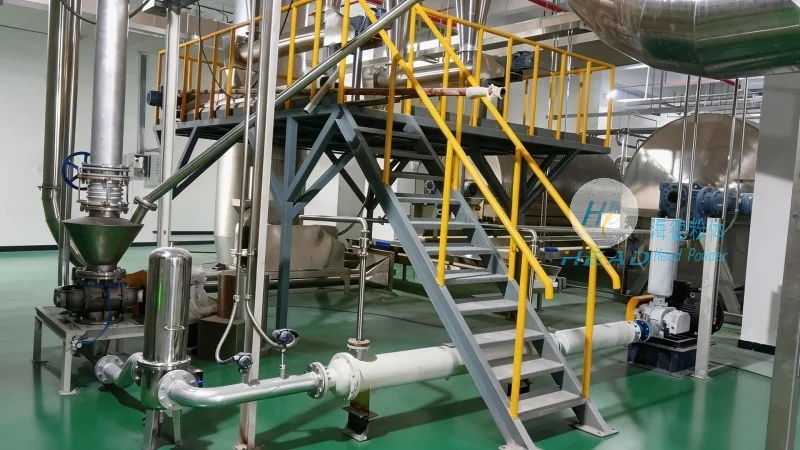
Overview of the Equipment
The coking coal particle pneumatic conveying system is engineered to transport bulk coking coal from storage silos or processing units to the required destination, such as furnaces or storage areas. It combines advanced pneumatic technology with robust mechanical components to provide a seamless and continuous material handling process. The system is tailored to handle different particle sizes and moisture contents typical of coking coal, making it versatile for various industrial settings.
Key Components and Their Functions
The pneumatic conveying equipment consists of several critical components that work in tandem to ensure optimal performance. These include the hopper for material storage, the feeder to control the flow rate, the conveying line (either flexible or rigid), the air compressor or vacuum pump to generate the necessary pressure or suction, and the control system to regulate the entire operation. Each component plays a vital role in maintaining the integrity of the coking coal particles and ensuring smooth, uninterrupted transport.
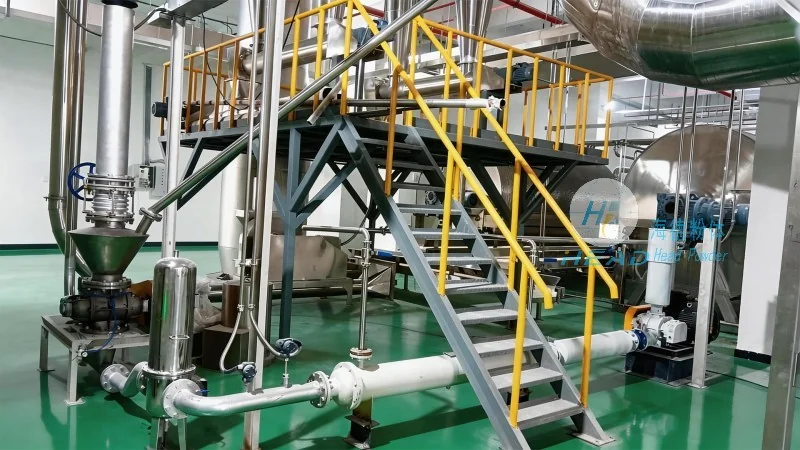
Operation Process of the Equipment
The operation of the coking coal particle pneumatic conveying equipment typically follows a sequential process. First, the coking coal is fed into the hopper from the source. The feeder then regulates the flow of material into the conveying line. Simultaneously, the air compressor generates compressed air, which is introduced into the conveying line. The air and coal particles are mixed, and the mixture is propelled through the line to the destination. At the receiving end, the coal is separated from the air, often using a cyclone separator or a filter, and the air is discharged back to the atmosphere or recycled. This process allows for a continuous and automated handling of coking coal, reducing labor costs and minimizing material loss.
Working Principle of Pneumatic Conveying
The working principle of the coking coal particle pneumatic conveying system is based on the fundamental concept of transporting solid particles suspended in a gas stream. There are two primary modes of pneumatic conveying: positive pressure and negative pressure. In positive pressure systems, compressed air is used to push the material through the conveying line, while negative pressure systems use a vacuum to draw the material. For coking coal particles, positive pressure systems are commonly employed due to their ability to handle larger particle sizes and higher material loads. The air velocity within the conveying line is carefully controlled to ensure that the particles remain suspended and do not settle or cause blockages. This balance of air velocity and particle size is crucial for maintaining the efficiency and reliability of the system.
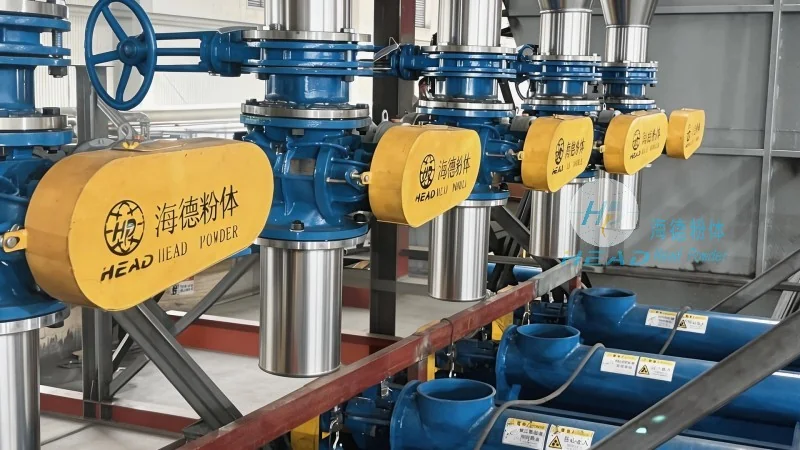
Advantages of Using Pneumatic Conveying for Coking Coal
Employing pneumatic conveying for coking coal offers several advantages over traditional methods like belt conveyors or bucket elevators. Firstly, it eliminates the need for mechanical contact with the material, reducing the risk of particle degradation, breakage, or contamination. This is particularly important for coking coal, which can be sensitive to handling conditions. Secondly, pneumatic systems can handle a wide range of particle sizes and moisture contents, making them adaptable to various production requirements. Thirdly, they provide a dust-free operation, improving workplace safety and reducing environmental impact. Additionally, the system allows for flexible routing of the conveying line, enabling easy integration into existing industrial layouts without major structural modifications.
Maintenance and Operational Considerations
To ensure the long-term performance and reliability of the coking coal particle pneumatic conveying equipment, regular maintenance is essential. This includes checking the air compressor or vacuum pump for proper operation, inspecting the conveying line for blockages or wear, and maintaining the feeder and hopper to prevent material buildup or spillage. The control system should be monitored regularly to ensure it is functioning correctly and adjusting the flow rates as needed. Proper maintenance not only extends the lifespan of the equipment but also minimizes downtime and operational costs. Additionally, operators should be trained on the safe operation of the system, including emergency procedures and handling of potential hazards such as dust explosions or material blockages.
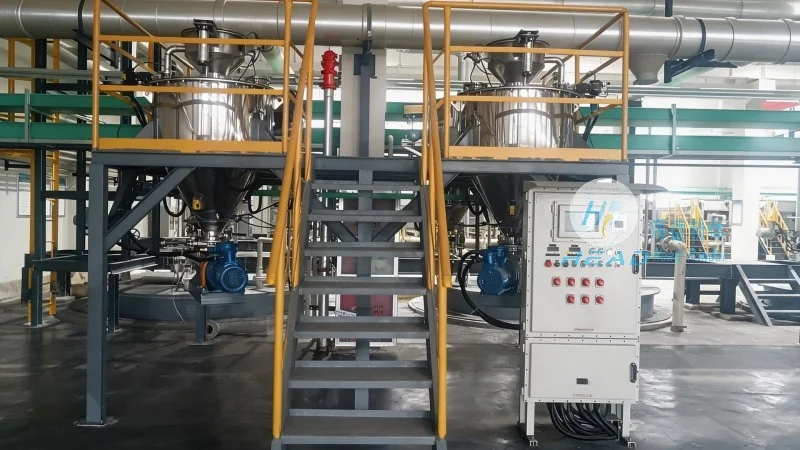
About Shandong HeadPowder Engineering Co., Ltd.
Shandong HeadPowder Engineering Co., Ltd., commonly known as headpowder, is a leading manufacturer and supplier of pneumatic conveying equipment in China. With a strong focus on innovation and quality, the company has established itself as a trusted partner for industries requiring efficient and reliable material handling solutions. Headpowder's expertise lies in designing and manufacturing customized pneumatic conveying systems tailored to the specific needs of clients, ensuring optimal performance and cost-effectiveness. The company's products are widely used in various sectors, including coking plants, steel mills, and chemical industries, where the transportation of bulk materials is critical to operational efficiency. Headpowder's commitment to customer satisfaction and technical excellence has earned it a reputation for delivering high-quality equipment that meets international standards and industry requirements.
Conclusion
The coking coal particle pneumatic conveying equipment from Shandong HeadPowder Engineering Co., Ltd. represents a cutting-edge solution for the efficient and safe transportation of coking coal. By leveraging advanced pneumatic technology and robust engineering, the system ensures minimal material degradation, high throughput, and operational reliability. With its comprehensive design and maintenance support, this equipment is an ideal choice for industries seeking to enhance their material handling processes and improve overall productivity. Headpowder's dedication to quality and customer service makes it a preferred partner for businesses looking to invest in reliable and efficient pneumatic conveying solutions.