

Operation Process and Working Principle of Bentonite Material Pneumatic Conveying System
Bentonite, a natural clay mineral renowned for its exceptional swelling properties, serves as a critical component in numerous industrial sectors, including oil drilling, foundry operations, and environmental remediation. The efficient handling and transport of bentonite are paramount to the success of these processes, and pneumatic conveying systems offer a highly effective solution. This article delves into the operation process and working principle of a bentonite material pneumatic conveying system, elucidating the core components, operational steps, and technical nuances that enable smooth and reliable material transport.
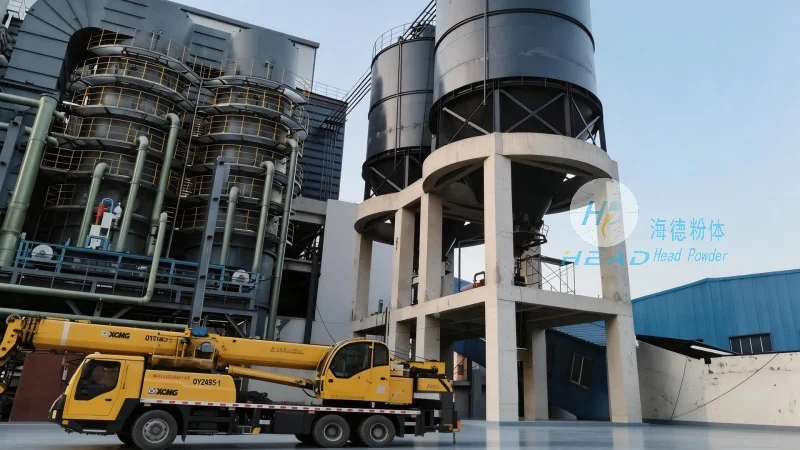
Key Components of the Pneumatic Conveying System
The bentonite material pneumatic conveying system comprises several integral components that collaborate to achieve seamless material movement. These components include a storage hopper for bulk material, a rotary feeder or valve to regulate the flow of bentonite, a conveying pipeline network, a blower or air compressor to generate the necessary air pressure, a dust collector to capture and filter airborne particles, and a discharge hopper or silo for receiving the material. Each component is meticulously designed to ensure the system operates efficiently, maintaining the integrity of the bentonite and minimizing operational disruptions.
Working Principle of the Pneumatic Conveying Process
The fundamental working principle of the bentonite material pneumatic conveying system relies on compressed air to suspend and transport the material through the pipeline. The process initiates with bentonite being fed from the storage hopper into the rotary feeder, which controls the feed rate and consistency. The feeder then delivers the material into the conveying pipeline, where it is entrained by a high-velocity air stream generated by the blower. The air and material mixture travels through the pipeline, with bentonite particles suspended and transported to the discharge point. At the receiving end, the air is separated from the material using a dust collector, and the clean bentonite is collected in the discharge hopper. The air is subsequently filtered and either recirculated or released, depending on the system design.
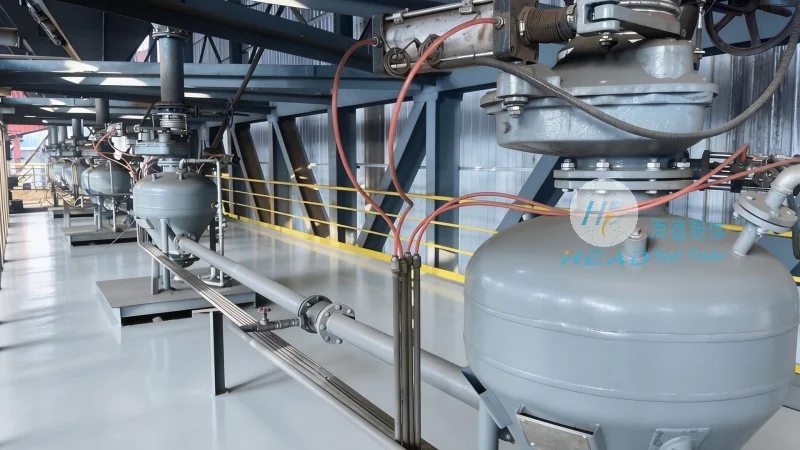
Operation Process: Step-by-Step Overview
The operation of the bentonite material pneumatic conveying system follows a systematic sequence to ensure optimal performance. The key steps include: 1. **Material Loading**: Bentonite is loaded into the storage hopper from a bulk supply source. 2. **Feeding Control**: The rotary valve or feeder regulates the flow of bentonite into the conveying pipeline, maintaining a consistent feed rate to prevent blockages or uneven transport. 3. **Air Compression**: The blower or air compressor generates the required air pressure and volume to create the conveying air stream, with pressure levels tailored to the material's properties and pipeline length. 4. **Conveying Transport**: The bentonite particles are entrained by the air and transported through the pipeline to the discharge location, with air velocity carefully managed to avoid material deposition or excessive wear on the pipeline. 5. **Dust Collection and Material Discharge**: The air is filtered to remove dust particles, and the clean bentonite is collected in the receiving hopper. 6. **System Monitoring and Maintenance**: Continuous monitoring of pressure, flow rates, and air quality ensures the system operates within optimal parameters, with regular maintenance to prevent equipment failure and ensure long-term reliability.
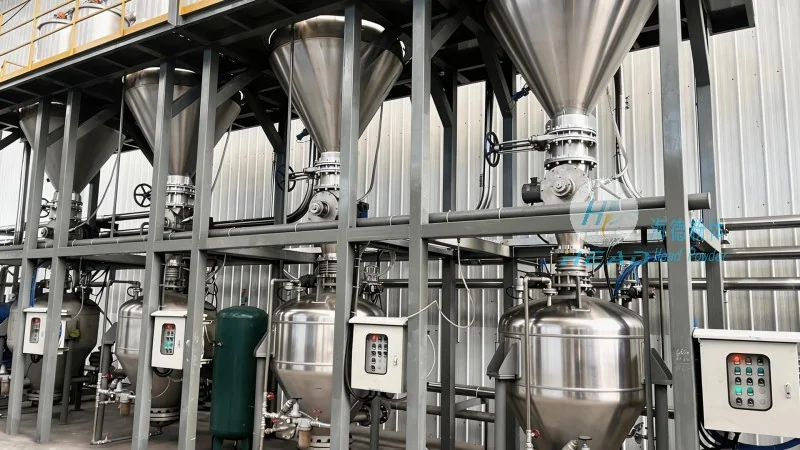
Technical Considerations for Efficient Operation
Several technical factors are critical for the efficient operation of the bentonite material pneumatic conveying system. These include the selection of appropriate air velocity to prevent material deposition or blockage in the pipeline, the use of suitable pipeline materials that can withstand the abrasive nature of bentonite, and the implementation of effective dust control measures to maintain air quality and comply with environmental regulations. Additionally, the system design must account for the specific properties of the bentonite, such as its moisture content, particle size distribution, and flow characteristics, to ensure optimal performance and minimize operational issues.
Benefits of Using a Pneumatic Conveying System for Bentonite
Implementing a pneumatic conveying system for bentonite material handling offers several advantages over traditional methods like belt conveyors or bucket elevators. These benefits include: 1. **Clean and Dust-Free Operation**: The enclosed system prevents dust emissions, enhancing workplace safety and environmental compliance. 2. **Space Efficiency**: The system can be installed in confined spaces due to its flexible pipeline design, reducing the need for large equipment layouts and optimizing facility utilization. 3. **Reduced Maintenance Costs**: With fewer moving parts compared to mechanical conveyors, the pneumatic system requires less maintenance and has lower downtime, resulting in cost savings over its operational life. 4. **Versatility**: The system can handle a wide range of bentonite types and particle sizes, making it suitable for various industrial applications, from small-scale processing to large-scale production. 5. **Energy Efficiency**: Modern blowers and air compressors are designed to operate efficiently, reducing energy consumption and operational costs while maintaining high performance.