

Operation Process and Working Principle of PFS Material Pneumatic Conveying Equipment
For industries dealing with phosphate iron (PFS) materials, efficient and reliable material handling is crucial. Pneumatic conveying systems offer a solution that minimizes dust, reduces labor costs, and enhances safety compared to traditional methods like belt conveyors or bucket elevators. This article explores the operation process and working principle of a specialized pneumatic conveying equipment designed for PFS material transport, highlighting key components, operational steps, and the technical advantages it provides.
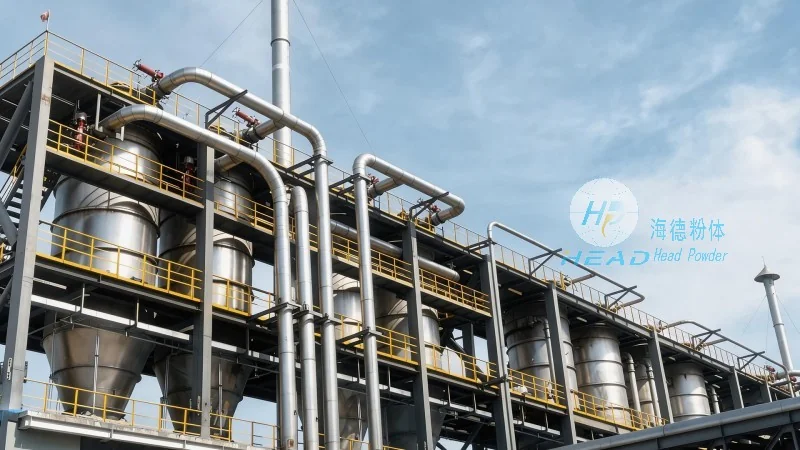
Key Components of the Pneumatic Conveying System
The PFS material pneumatic conveying equipment typically consists of several core components that work in tandem to ensure smooth material transport. These include a hopper for material storage, a feeder to control the flow rate, a conveying pipeline network, a pressure vessel or receiver to collect the material at the discharge end, and a blower or compressor to generate the necessary air pressure. Each component plays a vital role in maintaining the system's efficiency and preventing material degradation or blockages.
Operation Process: Step-by-Step Guide
The operation of the PFS material pneumatic conveying equipment follows a systematic process that ensures consistent and safe material transfer. The process begins with the loading of PFS material into the hopper. The feeder then regulates the material flow, feeding it into the conveying pipeline at a controlled rate. Simultaneously, the blower generates a high-pressure air stream that propels the material particles through the pipeline. As the material travels, it is suspended in the air stream and transported to the discharge point. At the receiving end, the pressure vessel or receiver collects the material, allowing the air to be separated and recycled back to the blower. This cycle repeats continuously, enabling uninterrupted material handling.
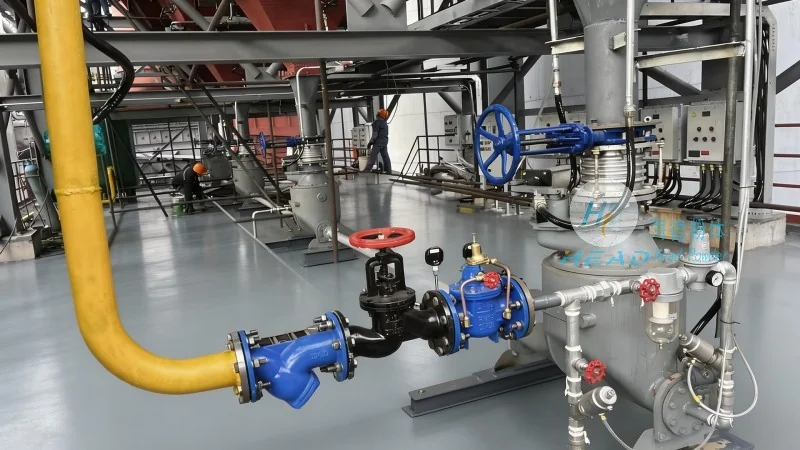
Working Principle: How It Transports PFS Material
The working principle of the pneumatic conveying system relies on the principles of fluid dynamics and particle suspension. When the blower creates a high-pressure air flow, it generates a pressure differential within the pipeline. This pressure differential causes the PFS material particles to be entrained by the air stream, forming a dense phase or dilute phase flow depending on the system design. In dense phase conveying, the material is transported in a slurry-like state, reducing particle separation and minimizing dust generation. In dilute phase conveying, the material is suspended in a low-concentration air stream, which is suitable for longer distances or when material separation is less critical. The system's design, including the type of blower, pipeline diameter, and flow rate, is optimized to match the specific characteristics of PFS material, such as its density, moisture content, and particle size distribution.
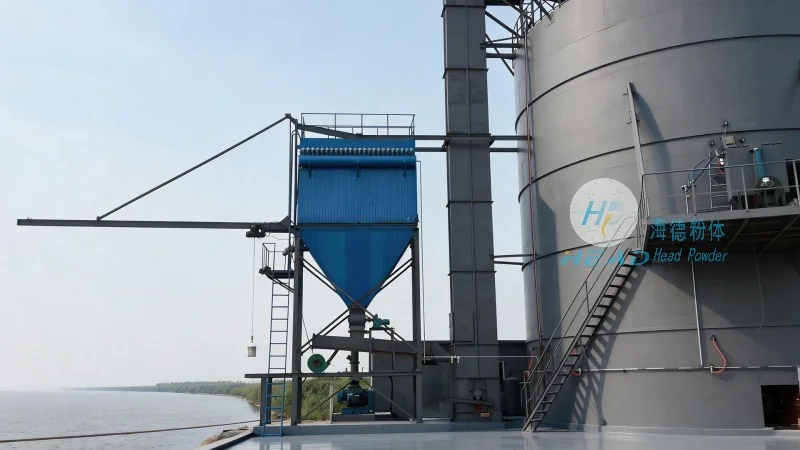
Advantages of Using PFS Material Pneumatic Conveying Equipment
Implementing a pneumatic conveying system for PFS material handling offers several advantages over conventional methods. Firstly, it significantly reduces dust exposure, improving workplace safety and compliance with environmental regulations. Secondly, the system minimizes material degradation by avoiding direct contact with mechanical components like belts or buckets, which can cause abrasion or breakage. Thirdly, it reduces labor costs by automating the material transport process, eliminating the need for manual handling or frequent maintenance of traditional equipment. Additionally, the system is compact and can be integrated into existing production lines, saving space and reducing installation costs. These benefits make the PFS material pneumatic conveying equipment an attractive solution for industries seeking to enhance their material handling efficiency and sustainability.
Conclusion
Shandong HeadPowder Engineering Co., Ltd., a leading manufacturer of material handling equipment, specializes in designing and manufacturing high-quality pneumatic conveying systems tailored to the needs of PFS material processing. By understanding the operation process and working principle of this equipment, industries can make informed decisions about adopting efficient material transport solutions. The PFS material pneumatic conveying equipment from HeadPowder combines advanced technology with robust design, ensuring reliable performance and long-term durability. With its ability to handle PFS materials safely and effectively, this system is a valuable asset for any industrial operation seeking to optimize its material handling processes.