

Operation Process and Working Principle of Air-Pneumatic Conveying Equipment for Silt and Sand Mater
HeadPowder, a leading manufacturer based in Shandong, China, specializes in the design and production of advanced air-pneumatic conveying equipment tailored for handling silt and sand materials. This equipment is engineered to efficiently transport fine particulate materials like silt and sand over short to medium distances, offering a reliable solution for various industrial applications.
Working Principle of the Air-Pneumatic Conveying Equipment
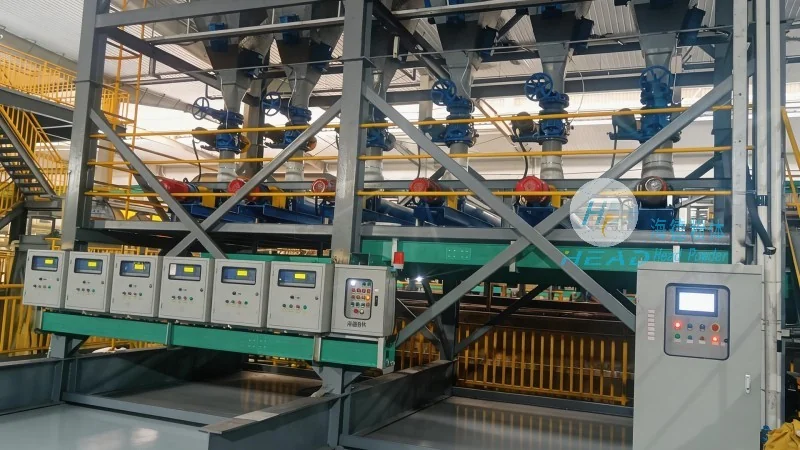
The core working principle of this equipment relies on the use of compressed air to create a flow of air and material within a closed pipeline system. When the material is introduced into the inlet hopper, it is drawn into the pipeline by the suction effect generated by the air flow. The compressed air, typically supplied by an air compressor, creates a negative pressure zone that pulls the material along with the air stream. This process ensures that the silt and sand particles are conveyed without the need for mechanical components like belts or buckets, reducing wear and maintenance requirements.
Operation Process
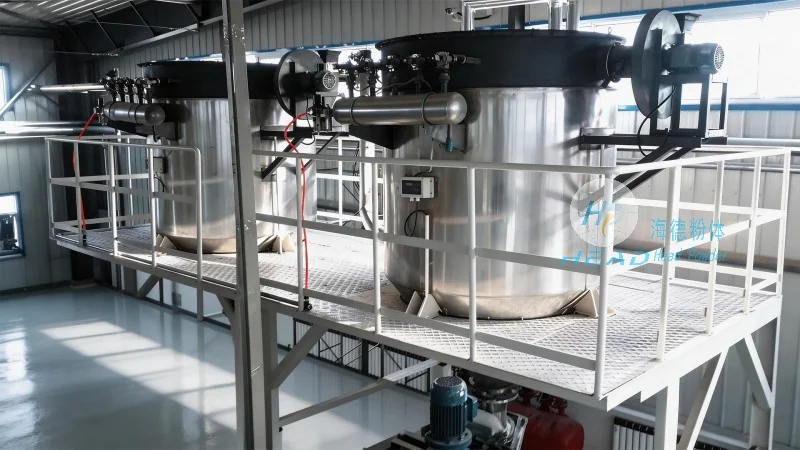
The operation process of the air-pneumatic conveying equipment for silt and sand materials involves several key steps. First, the material is fed into the inlet hopper from the source, such as a storage silo or a stockpile. The feeder mechanism then regulates the flow rate of the material into the conveying line. Next, the compressed air is activated, creating a suction force that pulls the material into the pipeline. As the material travels through the pipeline, it is mixed with the air stream, maintaining a consistent flow. The conveying line may include bends, vertical sections, or horizontal runs, depending on the layout of the facility. Finally, the material is discharged at the receiving end, where it is collected in a storage container or processing unit. The entire process is controlled by a programmable logic controller (PLC) or a manual control system, ensuring precise operation and minimal downtime.
Key Features and Technical Specifications
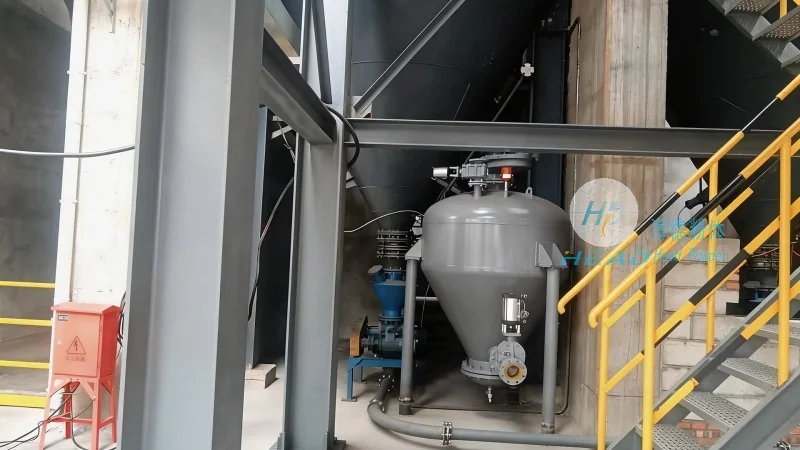
HeadPowder's air-pneumatic conveying equipment for silt and sand materials is equipped with several features that enhance its performance and reliability. The equipment utilizes high-efficiency air compressors that provide consistent pressure and flow rates, ensuring stable material transport. The pipeline system is constructed from corrosion-resistant materials, such as stainless steel or coated steel, to withstand the abrasive nature of silt and sand. The conveying line includes air locks and check valves to prevent backflow and maintain the integrity of the material flow. Additionally, the equipment is designed with easy-to-clean components, facilitating maintenance and reducing cleaning time. The system can handle a wide range of particle sizes, from fine silt to coarse sand, with minimal degradation of the material's quality. The overall efficiency of the equipment is optimized through the use of aerodynamic design, minimizing energy consumption while maximizing conveying capacity.
Application Scenarios
This air-pneumatic conveying equipment is widely used in various industries that require the transport of silt and sand materials. Common applications include construction sites, where sand and silt are transported from stockpiles to mixing plants or concrete batching facilities. In the mining industry, the equipment is used to convey sand and silt from mining operations to processing plants or storage areas. The equipment is also utilized in the glass and ceramics manufacturing sectors, where fine sand is transported to production lines. Additionally, it is employed in environmental remediation projects, where silt and sand are removed from contaminated sites and transported to disposal or treatment facilities. The versatility of the equipment makes it suitable for a wide range of industrial and construction applications, providing a cost-effective and efficient solution for material handling.
Conclusion
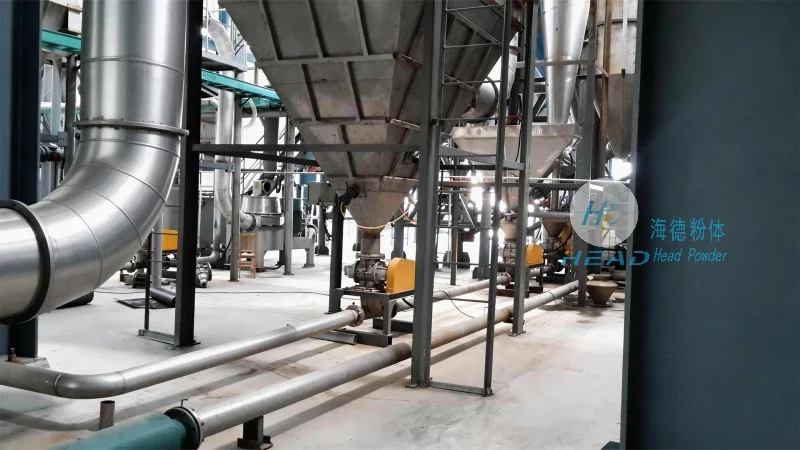
HeadPowder's air-pneumatic conveying equipment for silt and sand materials represents a sophisticated and reliable solution for the efficient transport of fine particulate materials. By leveraging the principles of air flow and suction, the equipment offers a low-maintenance, high-efficiency method for handling silt and sand, reducing operational costs and improving productivity in various industrial settings. With its robust design and advanced features, this equipment is an ideal choice for companies seeking to optimize their material handling processes and enhance overall operational efficiency.