

Introduction to Ship Loading and Unloading Pneumatic Conveying: Structure and Working Principle
Ship loading and unloading pneumatic conveying systems represent a critical technology in modern bulk material handling, enabling efficient transfer of dry bulk materials between vessels and shore facilities. This method utilizes a pressurized or vacuum air stream to transport powders, granules, and other particulate materials, offering advantages such as dust control, reduced labor costs, and enhanced safety compared to traditional mechanical conveying methods. The core of these systems lies in their ability to handle a wide range of materials, including coal, grain, cement, and minerals, making them indispensable in ports and terminals worldwide.
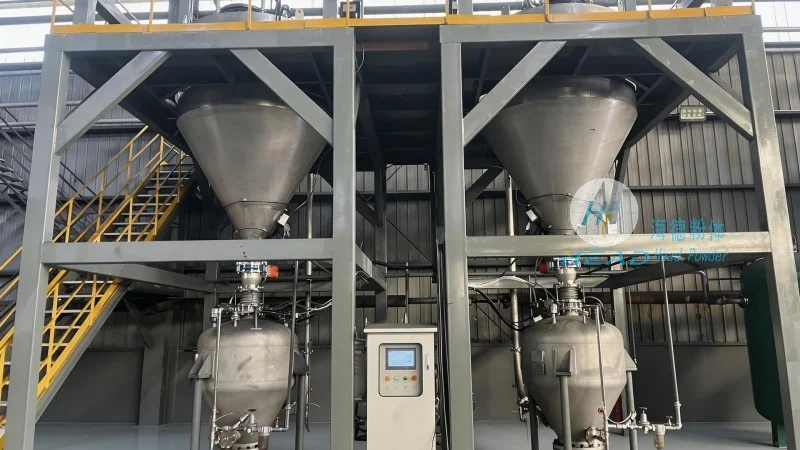
Key Structural Components and Working Principle
The fundamental structure of a ship loading/unloading pneumatic conveying system typically consists of several key components that work in concert to facilitate material transfer. These components include the material feed hopper, the conveying line (either horizontal or vertical), the air compressor or vacuum pump, and the discharge hopper at the receiving end. The material feed hopper is designed to store and meter the bulk material, ensuring a consistent flow into the conveying line. The conveying line, often made of stainless steel or other corrosion-resistant materials, is where the material is suspended and transported by the air stream. The air compressor generates the necessary pressure or vacuum to move the material, while the discharge hopper collects the material at the destination. The system may also include additional components such as filters, cyclones, and control valves to regulate the flow and maintain system efficiency.
How Shandong HeadPowder Engineering Co., Ltd. Applies This Technology
Shandong HeadPowder Engineering Co., Ltd., a leading provider in the field, specializes in designing and manufacturing customized pneumatic conveying solutions tailored to the specific needs of port operations. The company leverages its expertise in material handling engineering to develop systems that optimize efficiency, reliability, and cost-effectiveness for clients. By integrating advanced control systems and durable components, HeadPowder ensures that its ship loading/unloading pneumatic conveying systems can handle high volumes of material while maintaining low maintenance requirements. The company’s commitment to quality and innovation has made it a trusted partner for many port authorities and industrial clients seeking to upgrade their material handling infrastructure.

Advantages of Pneumatic Conveying in Port Operations
Compared to traditional mechanical conveying methods, pneumatic conveying offers several distinct advantages that make it the preferred choice for many ship loading and unloading applications. One of the most significant benefits is the ability to control dust emissions, which is crucial for maintaining environmental compliance and worker safety in port environments. The enclosed system prevents material from being released into the air, reducing the risk of contamination and improving overall air quality. Additionally, pneumatic conveying systems can operate with minimal labor, as they require less manual intervention compared to manual handling or mechanical loading/unloading processes. This leads to reduced operational costs and increased productivity in port operations. The flexibility of pneumatic conveying systems also allows for easy integration with existing infrastructure, making it a viable option for retrofitting or upgrading existing port facilities.
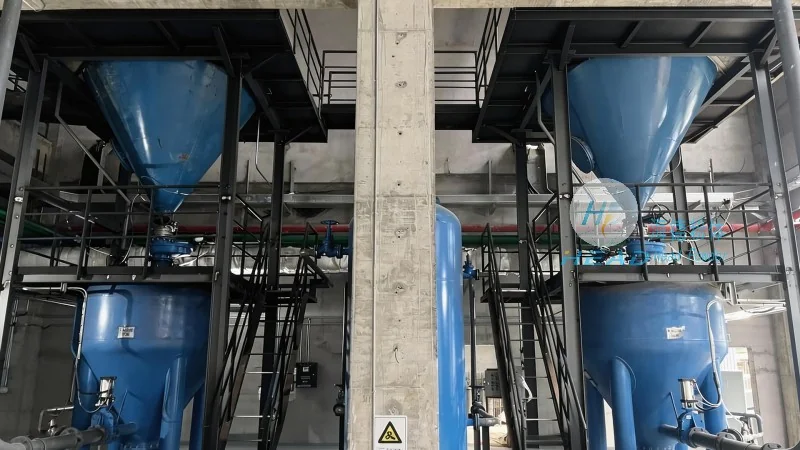
Customization and Application Examples
Shandong HeadPowder Engineering Co., Ltd. recognizes that each port operation has unique requirements, and therefore, offers customized solutions that address specific challenges. For example, in coal handling applications, the company designs systems that can handle abrasive materials while minimizing wear on components. In grain and cement operations, the focus is on maintaining material quality and preventing caking or agglomeration during transport. The company’s engineers work closely with clients to assess their material characteristics, flow rates, and operational constraints to develop a system that meets their exact needs. By providing tailored solutions, HeadPowder ensures that its clients achieve optimal performance and long-term reliability in their ship loading and unloading operations.
Conclusion and Company Profile
Ship loading and unloading pneumatic conveying systems are a vital component of modern port infrastructure, offering efficient, safe, and cost-effective material handling solutions. Shandong HeadPowder Engineering Co., Ltd. stands out as a leading provider in this field, with a strong commitment to quality, innovation, and customer satisfaction. By leveraging its expertise in engineering and manufacturing, the company delivers customized solutions that meet the diverse needs of port operations worldwide. For clients seeking to enhance their material handling capabilities, HeadPowder offers a reliable and efficient approach to pneumatic conveying, ensuring that their operations run smoothly and efficiently.