

Introduction to Low-Pressure Continuous Pneumatic Conveying Systems: Structure and Working Principle
Low-pressure continuous pneumatic conveying systems represent a sophisticated method for transporting bulk materials over moderate distances with efficiency and reliability. These systems are widely used in various industries, including food processing, pharmaceuticals, and chemical manufacturing, where maintaining product integrity and operational safety is paramount. This article provides an overview of the low-pressure continuous pneumatic conveying system, focusing on its structural components and the underlying principles that govern its operation.
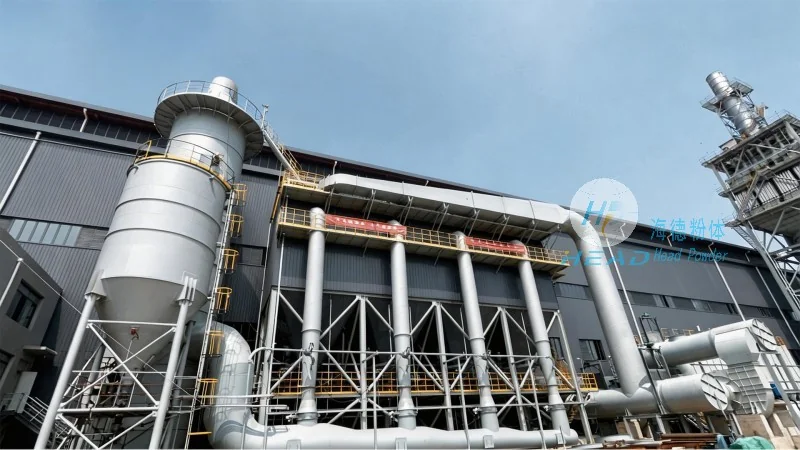
Understanding Low-Pressure Continuous Pneumatic Conveying
At its core, a low-pressure continuous pneumatic conveying system utilizes a controlled airflow to move bulk materials through a network of pipes. Unlike high-pressure systems, which rely on high velocity air to transport materials, low-pressure systems operate at lower air velocities, typically ranging from 10 to 30 meters per second. This lower velocity reduces wear on the system components and minimizes product degradation, making it suitable for delicate or sensitive materials.
Key Structural Components of the System
The low-pressure continuous pneumatic conveying system consists of several critical components that work in tandem to ensure smooth material transport. The primary components include the material feed hopper, the air supply unit, the conveying line, the separation unit, and the discharge hopper. Each component plays a vital role in the overall functionality of the system.
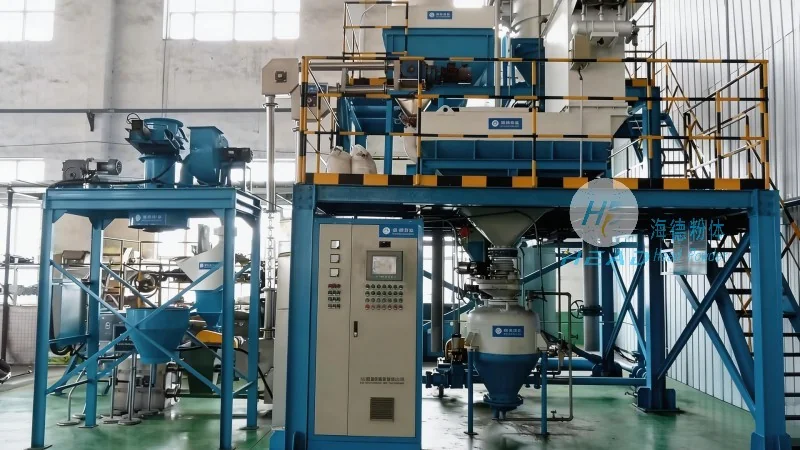
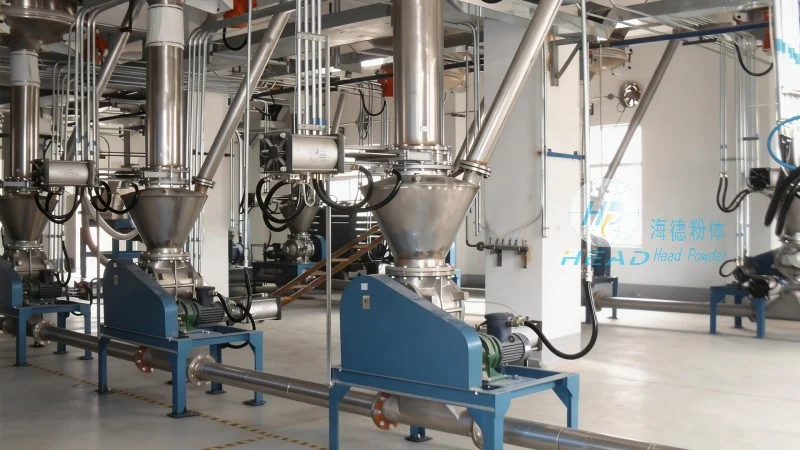
The material feed hopper is responsible for storing and feeding the bulk material into the system. It is typically equipped with a feeder, such as a rotary valve or a screw feeder, which controls the flow rate of the material. The air supply unit, often a blower or a fan, generates the necessary airflow to move the material through the conveying line. The conveying line, usually made of stainless steel or other corrosion-resistant materials, is designed to withstand the pressure and temperature conditions of the system. The separation unit, which may include a cyclone or a filter, separates the material from the air stream, allowing the material to be collected in the discharge hopper. Finally, the discharge hopper collects the material and delivers it to the next processing stage.
Working Principles of the Low-Pressure Continuous Pneumatic Conveying System
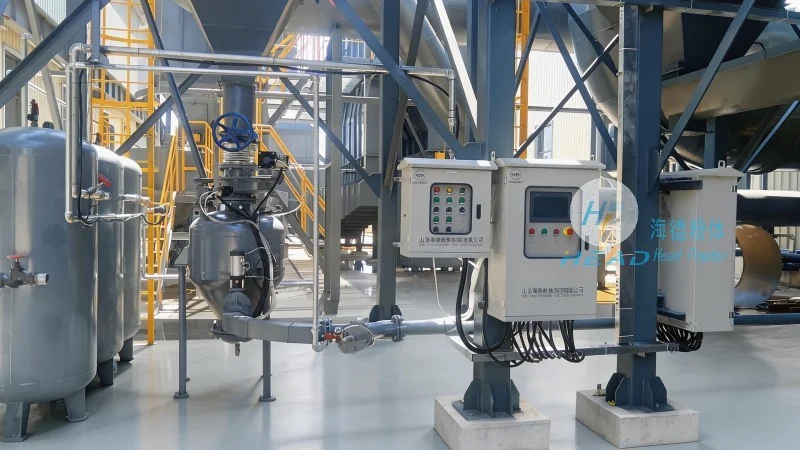
The operation of the low-pressure continuous pneumatic conveying system is based on the principle of fluidization and suspension. As air is introduced into the conveying line, it creates a low-pressure environment that lifts the material particles and suspends them in the air stream. The material particles are then carried along the length of the pipe by the moving air. The velocity of the air is carefully controlled to ensure that the material particles remain suspended without settling or clogging the system. The system operates continuously, meaning that material is fed and conveyed at a steady rate, providing a consistent output.
Advantages of Low-Pressure Continuous Pneumatic Conveying
Low-pressure continuous pneumatic conveying systems offer several advantages over other material handling methods. One of the key advantages is the ability to transport materials over long distances with minimal maintenance. The system is also highly flexible, as it can be easily modified to accommodate different material types or process requirements. Additionally, the system is capable of handling a wide range of materials, including powders, granules, and pellets. The low velocity of the air reduces product degradation, making it suitable for sensitive materials such as food or pharmaceuticals. The system also provides a clean and dust-free environment, which is essential in industries where hygiene is critical.
Applications and Industries
Low-pressure continuous pneumatic conveying systems are widely used in various industries due to their versatility and efficiency. In the food industry, these systems are used to transport ingredients such as flour, sugar, and spices. In the pharmaceutical industry, they are used to transport active pharmaceutical ingredients (APIs) and other sensitive materials. In the chemical industry, they are used to transport powders and granules used in the production of chemicals. The system is also used in the agricultural industry to transport grain and other bulk agricultural products.
About Shandong HeadPowder Engineering Co., Ltd.
Shandong HeadPowder Engineering Co., Ltd., commonly known as headpowder, is a leading manufacturer of low-pressure continuous pneumatic conveying systems. The company has been in business for many years and has established a strong reputation for producing high-quality, reliable, and efficient systems. The company's products are designed to meet the specific needs of its customers, with a focus on durability, safety, and performance. headpowder's systems are used by a wide range of industries, including food, pharmaceuticals, and chemicals, and are known for their ability to handle a variety of materials with precision and efficiency.