

Introduction to Lysine Pneumatic Conveying Equipment: Structure and Working Principle
For those in the chemical and food processing industries, efficient material handling is a critical factor in maintaining production efficiency and product quality. Lysine, a key amino acid used in animal feed and pharmaceuticals, requires specialized equipment for safe and effective transportation. This article provides an overview of lysine pneumatic conveying equipment, detailing its structure and operational principles to help professionals understand its application and benefits. The equipment is manufactured by Shandong HeadPowder Engineering Co., Ltd., a leading company in the field of powder handling technology, based in Shandong, China.
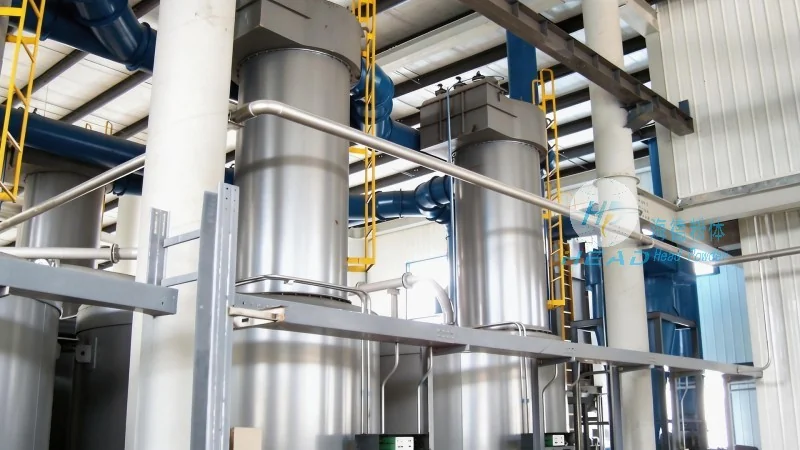
Overview of Lysine Pneumatic Conveying Equipment
Lysine pneumatic conveying equipment is designed to transport lysine powder or granules from one location to another using air as the conveying medium. This method offers advantages such as reduced contamination risk, minimal product degradation, and the ability to handle sensitive materials like lysine without the need for mechanical contact. The equipment is widely used in lysine production facilities to move raw materials, intermediate products, and finished goods between processing stages.
Key Components and Structure of the Equipment
The lysine pneumatic conveying system typically consists of several key components that work together to ensure efficient material transport. These components include a hopper for material storage, a rotary valve or feeder to control the flow of lysine into the system, a conveying pipeline, a pressure vessel or receiver, and a dust collector or filter to manage air and particulate matter. The hopper is designed to hold a sufficient quantity of lysine to maintain continuous operation, while the feeder ensures a consistent and controlled feed rate. The conveying pipeline is usually made of stainless steel to prevent corrosion and contamination, with appropriate fittings and valves to direct the flow. The pressure vessel collects the conveyed lysine and allows for air separation and product discharge. Finally, the dust collector ensures that air leaving the system is clean, complying with environmental regulations and maintaining a safe working environment.
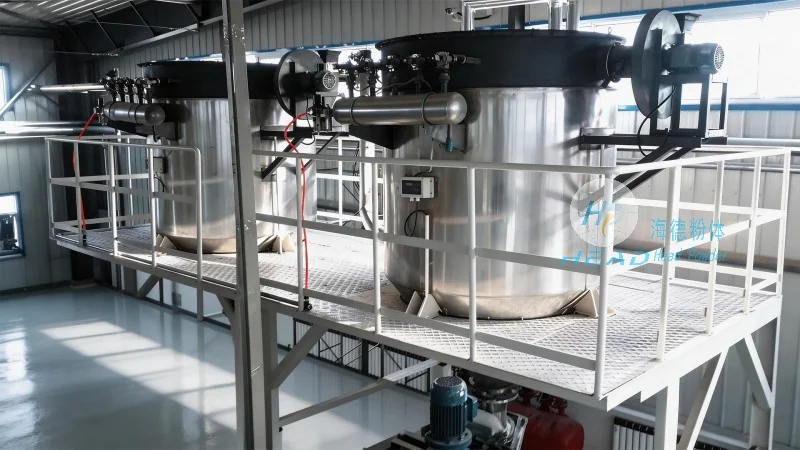
Working Principle of Lysine Pneumatic Conveying
The operation of lysine pneumatic conveying equipment is based on the principle of air movement and particle suspension. In the positive pressure system, a fan or blower generates a high-pressure air stream that is introduced into the conveying pipeline. The lysine material is fed into the pipeline at the inlet, where the air stream lifts and transports the particles through the pipeline to the receiving vessel. The air and lysine mixture then enters the pressure vessel, where the air is separated from the product. The separated air is filtered and discharged, while the lysine is discharged from the vessel into the next processing stage. In the negative pressure system, a vacuum is created at the receiving end, drawing the lysine and air mixture through the pipeline. Both systems are effective for lysine transport, with the choice depending on the specific application, material characteristics, and facility layout.
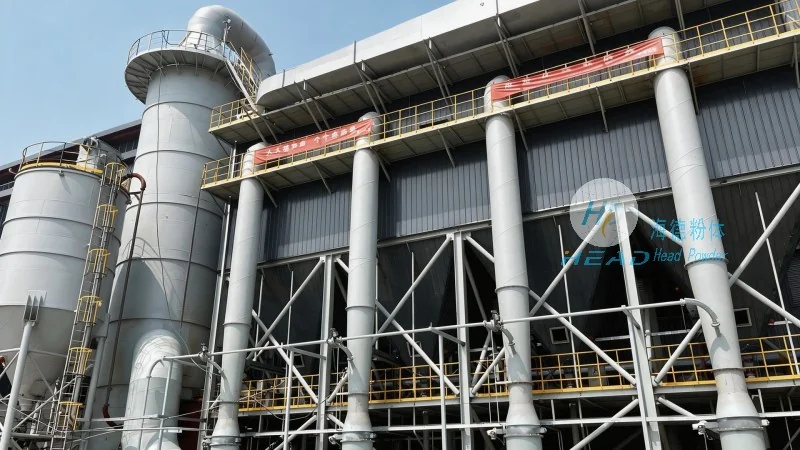
Advantages of Using Lysine Pneumatic Conveying Equipment
Implementing lysine pneumatic conveying equipment offers several benefits that enhance operational efficiency and product quality. One of the primary advantages is the prevention of product contamination, as the material is never in direct contact with mechanical parts or the environment. This is particularly important for lysine, which is used in sensitive applications like animal feed and pharmaceuticals. Additionally, the equipment reduces product degradation by minimizing exposure to air and mechanical stress during transport. The system also allows for flexible and scalable material handling, as the conveying distance and capacity can be adjusted by modifying the pipeline and equipment settings. Furthermore, the use of pneumatic conveying eliminates the need for manual handling, improving workplace safety and reducing labor costs. The equipment is also relatively easy to maintain, with components that are accessible and replaceable, ensuring minimal downtime and long-term operational reliability.
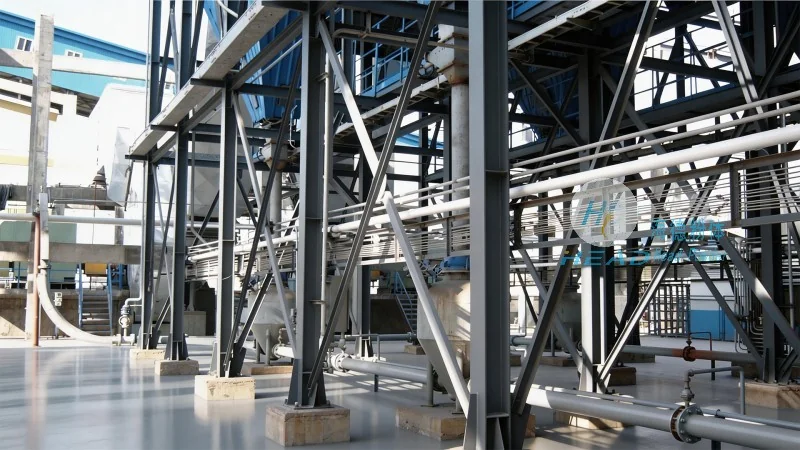
Applications in Lysine Production
Lysine pneumatic conveying equipment is widely used in various stages of lysine production. In the raw material handling stage, the equipment transports lysine raw materials from storage silos to the production line. During the intermediate processing stage, it moves lysine intermediates between reactors and separation units. In the final processing stage, the equipment transfers finished lysine products to packaging and storage areas. The equipment is also used in quality control and testing processes, where small quantities of lysine are transported to laboratory equipment for analysis. The consistent and controlled transport provided by the pneumatic system ensures that each batch of lysine is handled uniformly, maintaining product consistency and meeting quality standards.
Maintenance and Operational Considerations
Proper maintenance of lysine pneumatic conveying equipment is essential to ensure reliable operation and maximize equipment lifespan. Regular cleaning of the hopper, feeder, and pipeline is necessary to prevent lysine buildup and clogging, which can affect flow rates and system performance. The rotary valve or feeder should be inspected regularly for wear and tear, as it is a critical component for controlling material feed. The conveying pipeline and fittings should be checked for signs of corrosion or damage, as lysine can be corrosive to certain materials. The pressure vessel and dust collector require periodic maintenance to ensure proper air separation and filtration. Additionally, the fan or blower should be inspected for efficiency and wear, as it is the primary power source for the system. By following a regular maintenance schedule, operators can minimize downtime, reduce repair costs, and maintain the equipment's performance and safety.