

Introduction to Cement and Mineral Powder Pneumatic Conveying Equipment: Structure and Working Princ
HeadPowder, a leading manufacturer based in Shandong, China, specializes in the design, development, and production of advanced pneumatic conveying systems tailored for the efficient handling of cement and mineral powders. This article provides a comprehensive overview of the equipment, focusing on its structural design and operational principles to help clients understand its capabilities and benefits.

Overview of Pneumatic Conveying Systems for Cement and Mineral Powders
Pneumatic conveying equipment is a critical component in the cement and mineral processing industries, enabling the safe, reliable, and efficient transport of bulk powders over long distances or within complex production lines. Unlike traditional mechanical conveyors, pneumatic systems utilize air or gas as the conveying medium, which allows for flexible installation, reduced maintenance, and the ability to handle materials with high moisture content or abrasive properties. The equipment is particularly suited for applications where dust control, material cleanliness, and process integration are paramount.
Key Components and Structural Design of the Pneumatic Conveying Equipment
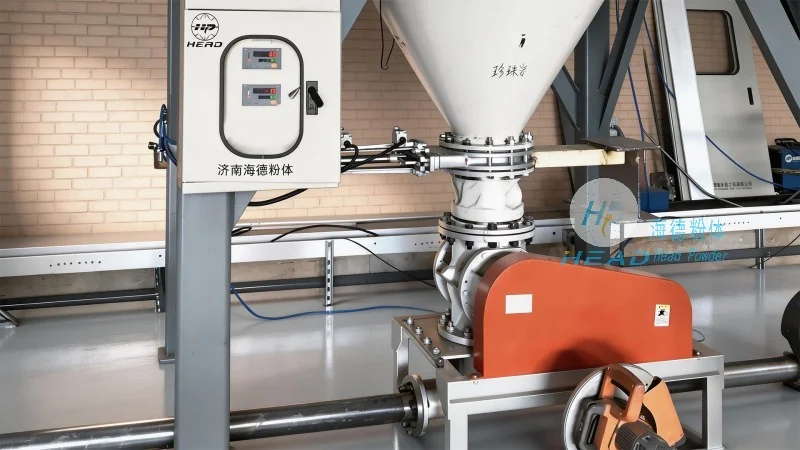
The pneumatic conveying system for cement and mineral powders typically consists of several core components, each designed to work in concert to ensure optimal performance. The primary components include the hopper or feed hopper, which stores and feeds the material; the conveying line or pipeline, which transports the material using air pressure; the air compressor or blower, which generates the necessary airflow; and the control system, which regulates the operation of the entire system. The structural design emphasizes durability, corrosion resistance, and ease of maintenance, with materials such as stainless steel or specialized alloys used to withstand the harsh conditions of cement and mineral powders.
Working Principle of the Pneumatic Conveying Equipment
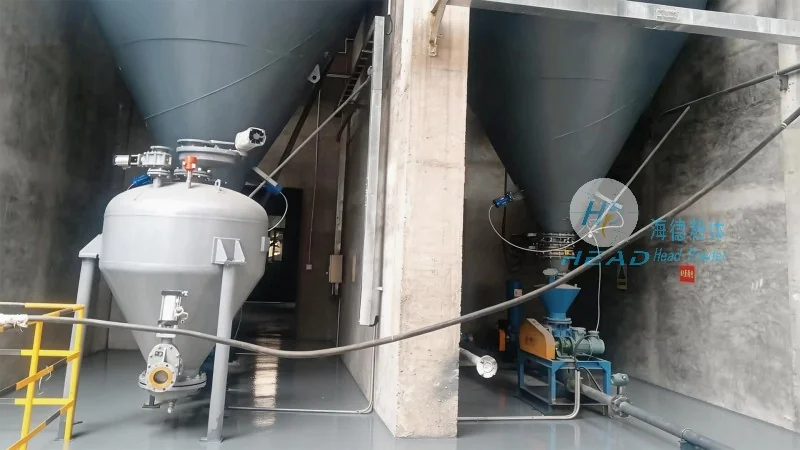
The operation of the pneumatic conveying system involves several key steps. First, the material is fed from the hopper into the conveying line using a rotary valve or feeder. Simultaneously, the air compressor generates high-pressure air, which is introduced into the conveying line. The air and material are mixed in the pipeline, creating a slurry or suspension that moves the material forward due to the air's kinetic energy. The system may include features such as cyclone separators or filters to separate the material from the air at the receiving end, ensuring that the material is deposited in the desired location without loss or contamination. The control system monitors parameters such as pressure, flow rate, and material level, adjusting the operation to maintain consistent performance and prevent system failures.
Advantages of Using Pneumatic Conveying Equipment for Cement and Mineral Powders
Implementing pneumatic conveying systems for cement and mineral powders offers numerous advantages over traditional methods. These include reduced labor costs due to automated operation, improved safety by minimizing manual handling of dusty materials, and enhanced process efficiency through consistent material flow. The systems also provide better dust control, which is crucial for maintaining a clean and safe working environment, and can handle materials with varying particle sizes and moisture content without compromising performance. Additionally, the flexible design allows for easy integration into existing production lines or expansion as production needs grow.
Applications and Industries Served by the Equipment
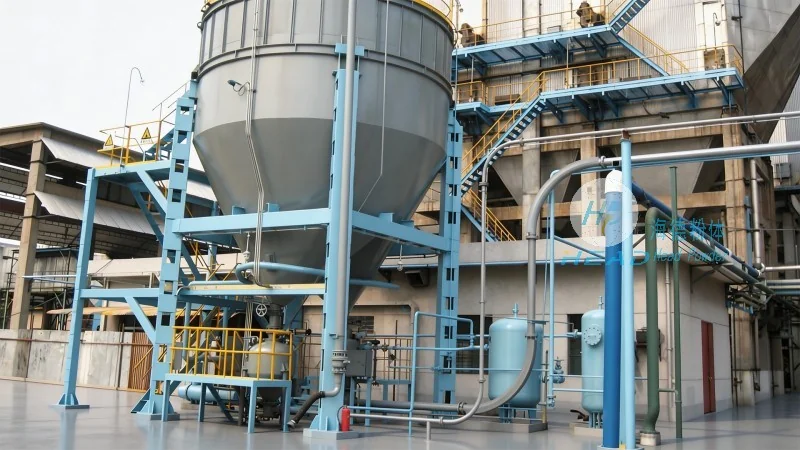
The pneumatic conveying equipment manufactured by HeadPowder is widely used in various industries that rely on the handling of cement and mineral powders. These include the cement manufacturing industry, where the equipment is used to transport raw materials such as limestone and clay from storage to the production line, as well as finished cement products from the grinding mill to storage silos. In the mineral processing industry, the equipment is utilized to transport minerals such as limestone, gypsum, and silica from mining sites to processing facilities or for further refinement. Other applications include the chemical industry, where similar systems handle powders like calcium carbonate and other industrial minerals, and the food and pharmaceutical industries, where dust-free and hygienic conveying is essential.
Customization and Technical Support from HeadPowder
HeadPowder understands that each client's application has unique requirements, and therefore offers customized pneumatic conveying solutions tailored to specific needs. The company's engineering team works closely with clients to assess their operational parameters, material characteristics, and space constraints to design a system that maximizes efficiency and minimizes costs. HeadPowder provides comprehensive technical support throughout the entire process, from initial consultation and system design to installation, commissioning, and ongoing maintenance. The company's commitment to quality and customer satisfaction ensures that clients receive reliable equipment that meets their production demands and complies with industry standards.