

Introduction to the Bulk Bag Unloading Station Pneumatic Conveying System: Structure and Working Pri
The bulk bag unloading station pneumatic conveying system is a specialized industrial equipment designed for efficient and safe handling of bulk materials from large capacity bags, commonly known as super sacks or FIBCs. This system is widely used in various industries such as chemicals, food processing, pharmaceuticals, and mining, where handling large volumes of powders or granules is essential. The system's primary function is to transfer the material from the bulk bag into a storage silo, hopper, or other processing equipment without manual intervention, ensuring a clean and hygienic operation.

Key Components and Structure of the Pneumatic Conveying System
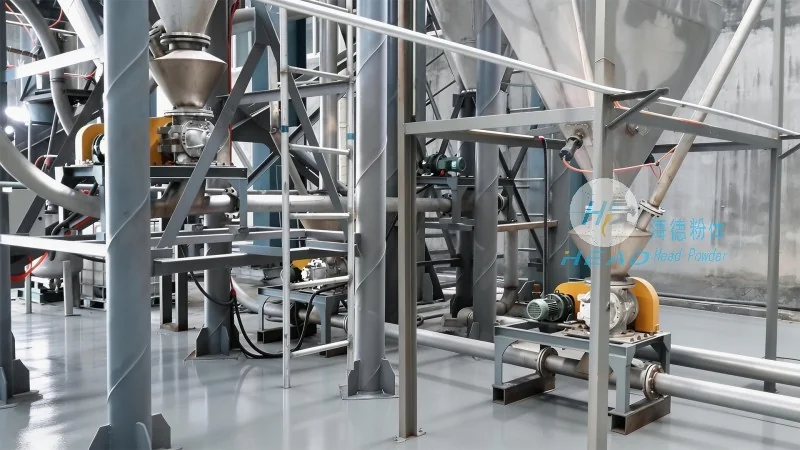
The pneumatic conveying system for bulk bag unloading typically consists of several critical components that work in tandem to achieve the material transfer. The main components include the bulk bag support frame, the airlock or discharge valve, the hopper or receiving container, the conveying pipeline, and the air compressor or vacuum system. The bulk bag is placed on a sturdy support frame that elevates it to the correct height for the discharge process. The airlock or discharge valve is located at the bottom of the bag, allowing controlled release of the material under pressure or vacuum. The hopper or receiving container is connected to the discharge valve via a pipeline, which may be made of stainless steel or other corrosion-resistant materials to handle various material types. The air compressor or vacuum system provides the necessary air pressure or suction to move the material through the pipeline. The system may also include a filter system to capture dust and prevent contamination, and a control panel to monitor and regulate the operation.
Working Principle of the Pneumatic Conveying System
The operation of the bulk bag unloading station pneumatic conveying system follows a systematic process. Initially, the bulk bag is positioned on the support frame, and the discharge valve is opened. The air compressor then generates a high-pressure air stream, which is introduced into the pipeline. The air flow creates a negative pressure or positive pressure environment, depending on the system design, to draw the material from the bag into the pipeline. As the material is conveyed, it is mixed with the air, forming a slurry or a dense phase flow. The pipeline guides the material to the receiving hopper or silo, where the air is separated from the material through a filter or cyclone separator. The material is then collected in the hopper, ready for further processing or storage. The system may include a venting or cleaning cycle to ensure the pipeline is clear of any residual material before the next bag is processed. The control panel allows operators to adjust the air pressure, flow rate, and other parameters to optimize the conveying efficiency and prevent blockages.
Advantages of the Bulk Bag Unloading Station Pneumatic Conveying System
There are several advantages of using a bulk bag unloading station pneumatic conveying system in industrial applications. Firstly, it offers a high level of automation, reducing the need for manual labor and minimizing the risk of human error. The system can handle large volumes of material efficiently, with the ability to process multiple bags per hour. Secondly, it provides a clean and hygienic operation, as the material is transferred without direct contact with the environment, reducing contamination and dust exposure. The system is also flexible and can be adapted to handle various material types, including powders, granules, and fine particles. Additionally, the pneumatic conveying system is energy-efficient compared to other material handling methods, such as belt conveyors or bucket elevators. The system can be easily integrated into existing production lines, and its modular design allows for easy maintenance and repair. Finally, the system offers a cost-effective solution for bulk material handling, reducing labor costs and increasing production efficiency.
Applications and Industries Using the Bulk Bag Unloading Station Pneumatic Conveying System
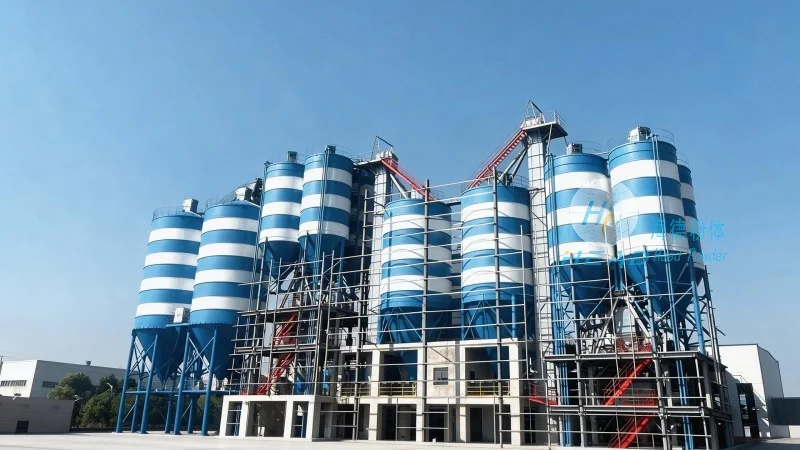
The bulk bag unloading station pneumatic conveying system is used in a wide range of industries and applications. In the chemical industry, it is used to handle chemicals, fertilizers, and other bulk materials. In the food processing industry, it is used to transfer ingredients such as flour, sugar, and spices. In the pharmaceutical industry, it is used to handle active pharmaceutical ingredients (APIs) and other sensitive materials. In the mining industry, it is used to transfer minerals and ores from bulk bags to processing equipment. The system is also used in the agricultural industry to handle feed and other agricultural products. The versatility of the system makes it suitable for various applications, from small-scale operations to large industrial plants.
Conclusion and Company Information
The bulk bag unloading station pneumatic conveying system is an essential piece of equipment for efficient and safe bulk material handling. Its design and operation ensure high conveying efficiency, minimal contamination, and reduced labor costs. The system is widely used in various industries and applications, making it a reliable solution for bulk material transfer. As a leading manufacturer of industrial equipment, Shandong HeadPowder Engineering Co., Ltd. specializes in providing high-quality pneumatic conveying systems tailored to the specific needs of its clients. With years of experience and expertise in the field, the company offers comprehensive solutions for bulk bag unloading and material handling, ensuring optimal performance and reliability. Based in Shandong, China, HeadPowder Engineering Co., Ltd. is committed to delivering innovative and efficient solutions to meet the evolving needs of the industrial sector.