

Introduction to Clay Pneumatic Conveying Equipment and Its Structural Principles
Clay pneumatic conveying equipment is a specialized industrial device designed for the efficient and safe transportation of clay materials through a pneumatic system. This equipment is widely used in various industries, including ceramics, construction, and chemical processing, where the handling of bulk clay is essential for production processes. The core function of such equipment is to move clay from a source point to a destination point using compressed air or other gas streams, eliminating the need for traditional mechanical conveyors that may cause material degradation or contamination.
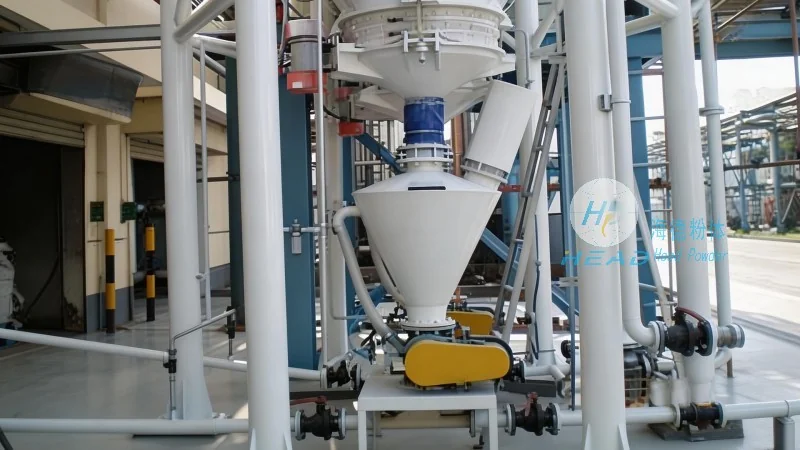
Overview of Clay Pneumatic Conveying Systems
Clay pneumatic conveying systems operate on the principle of transporting solid particles suspended in a gas stream. The system typically consists of several key components, including a material hopper, a feeding mechanism, a conveying pipeline, and a discharge unit. The material hopper stores the clay, and the feeding mechanism, often a rotary valve or a screw feeder, controls the flow of clay into the pipeline. Compressed air is then introduced into the pipeline, creating a flow that lifts and transports the clay particles through the system. The discharge unit at the end of the pipeline releases the clay into a storage or processing area.
Structural Components and Working Principles
The structural design of clay pneumatic conveying equipment is tailored to handle the specific properties of clay, such as its high moisture content, abrasive nature, and tendency to clog. Key structural components include the material hopper, which is often lined with wear-resistant materials to prevent damage from the abrasive clay. The feeding mechanism is designed to handle the bulk density and flow characteristics of clay, ensuring consistent material feed into the conveying pipeline. The conveying pipeline is usually made of corrosion-resistant materials like stainless steel or special alloys to withstand the chemical and physical stresses of clay transport. The air compressor and control system are critical for maintaining the appropriate air pressure and flow rate, which directly impacts the efficiency and reliability of the conveying process.
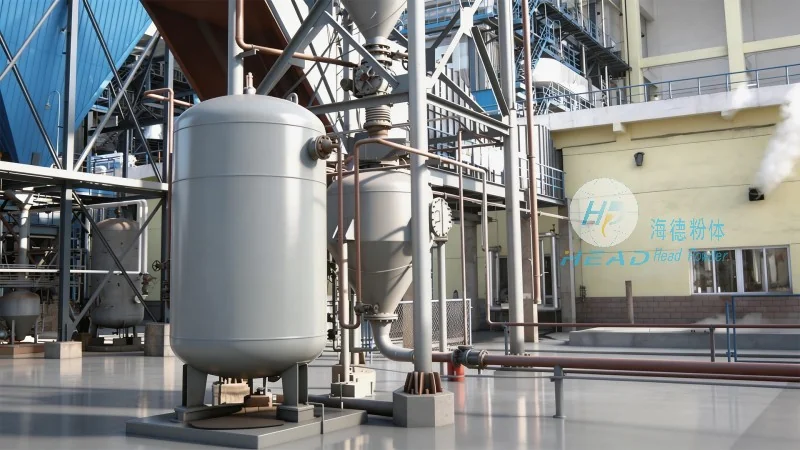
Advantages of Using Clay Pneumatic Conveying Equipment
Compared to traditional mechanical conveyors, clay pneumatic conveying equipment offers several advantages. One of the primary benefits is the ability to transport clay over long distances without the need for multiple transfer points, reducing the risk of material breakage and contamination. The system also minimizes the risk of dust exposure, as the clay is contained within the pipeline during transport. Additionally, pneumatic conveying systems can handle a wide range of clay types and particle sizes, making them versatile for different industrial applications. The compact design of these systems also saves space in industrial facilities, which is particularly beneficial in areas with limited floor space.
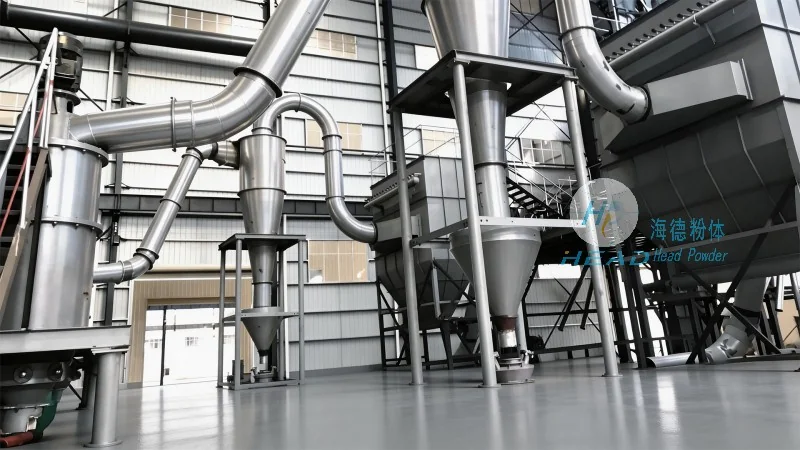
Applications in Industrial Settings
Clay pneumatic conveying equipment is widely used in various industrial settings where the handling of clay is a critical part of the production process. In the ceramics industry, for example, these systems are used to transport clay from storage to production lines, ensuring a consistent supply of raw material for manufacturing ceramic products. In construction, clay is often used as a raw material for cement and concrete production, and pneumatic conveying systems help in efficiently moving the clay to the mixing and processing facilities. The chemical industry also utilizes clay pneumatic conveying equipment for transporting clay used in filtration and other processes, where the purity and consistency of the material are crucial.
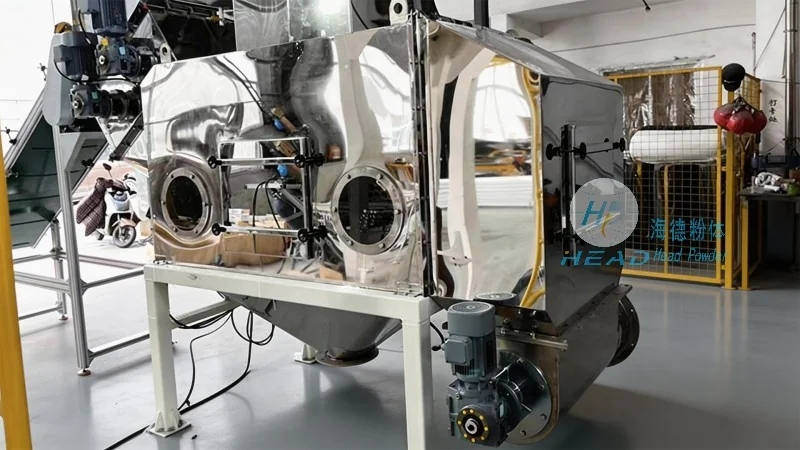
Maintenance and Operational Considerations
Proper maintenance is essential to ensure the longevity and efficiency of clay pneumatic conveying equipment. Regular inspection of the material hopper and feeding mechanism is necessary to prevent clogging and wear. The conveying pipeline should be checked for any signs of corrosion or damage, as these can affect the performance of the system. The air compressor and control system require periodic maintenance to maintain optimal pressure and flow rates. Additionally, the system should be cleaned regularly to remove any accumulated clay residue, which can reduce the efficiency of the conveying process. Proper operational procedures, such as starting the system with the air compressor and then introducing the material, help prevent damage to the equipment and ensure smooth operation.
Conclusion
Clay pneumatic conveying equipment is a vital component in industries that rely on the efficient handling of clay materials. Its structural design and working principles are tailored to address the unique challenges of clay transport, offering advantages such as long-distance transport, reduced contamination, and space efficiency. By understanding the key components and operational considerations of these systems, industrial facilities can optimize their clay handling processes and improve overall productivity. The use of such equipment by companies like Shandong HeadPowder Engineering Co., Ltd. demonstrates the importance of specialized machinery in modern industrial operations.