HeadPowder, a leading enterprise in the field of pneumatic conveying technology, specializes in the design, manufacturing, and supply of advanced fiber gas-pneumatic conveying systems. This article provides a comprehensive overview of the equipment involved and the underlying structural principles that enable efficient material transport in industrial applications.
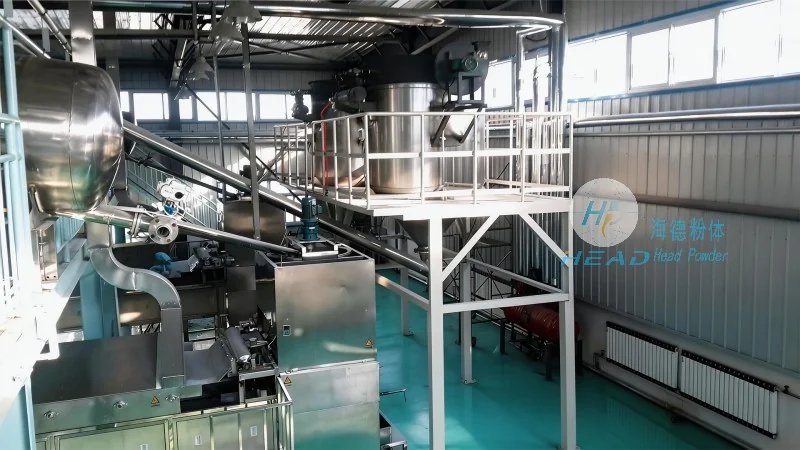
Fiber gas-pneumatic conveying systems are engineered to handle fine or fibrous materials, such as synthetic fibers, powders, and granules, using compressed air as the primary transport medium. Unlike traditional mechanical conveying methods, these systems rely on the kinetic energy of air to move materials through a pipeline network. The design of these systems is tailored to minimize material degradation, ensure consistent flow rates, and maintain product quality throughout the conveying process. These systems are particularly suitable for industries where material purity and integrity are critical, such as textile manufacturing, chemical processing, and food processing.
The effectiveness of a fiber gas-pneumatic conveying system is determined by its integrated components, each playing a critical role in the overall operation. The primary equipment includes:
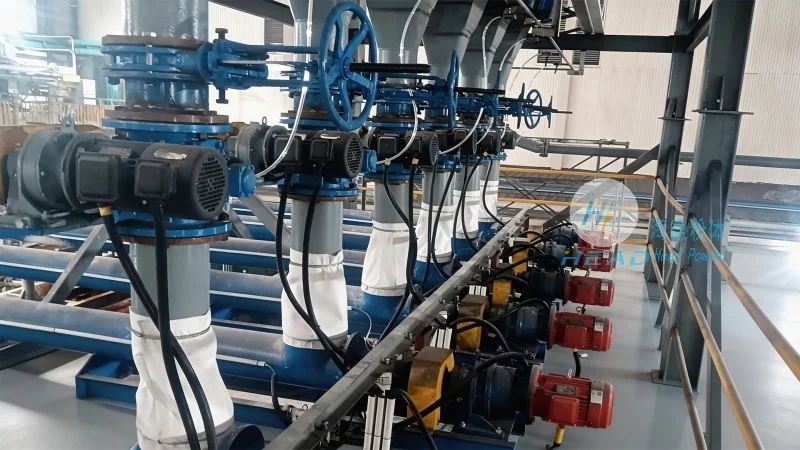
The structural principles of fiber gas-pneumatic conveying systems are based on the principles of fluid dynamics and material handling. The core mechanism involves the creation of a slurry or suspension of material particles in the air stream. This is achieved by injecting compressed air into the feed hopper or at the inlet of the conveying pipe, which lifts the material particles and propels them through the pipeline. The velocity of the air stream is a key factor in determining the efficiency of the system. It must be sufficient to overcome the gravitational force acting on the material particles and maintain a stable flow. The system design considers factors such as the particle size, density, and moisture content of the material to optimize the air velocity and pressure required for effective transport. The air velocity is typically maintained at a level that prevents particle settling or clogging in the pipeline, ensuring a smooth and continuous flow.
Compared to traditional mechanical conveying methods, fiber gas-pneumatic conveying systems offer several advantages that make them ideal for handling fine or fibrous materials:
Fiber gas-pneumatic conveying systems are widely used in various industrial sectors, including textile manufacturing, chemical processing, and food processing. For instance, in the textile industry, these systems are used to transport synthetic fibers from storage silos to spinning machines, ensuring a continuous and clean supply of material. The system can handle different types of fibers, such as polyester, nylon, and acrylic, without causing damage or contamination. In the chemical industry, they are employed to handle fine powders and granules, such as polymers and additives, in production lines. The systems are designed to meet the strict safety and environmental regulations, ensuring that the material is conveyed without releasing dust or pollutants into the environment.
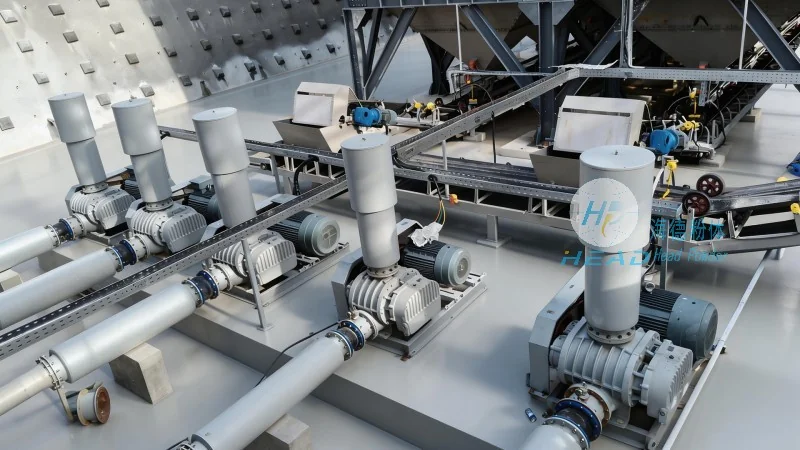
HeadPowder offers customized solutions tailored to the specific needs of each client. The company's engineers work closely with customers to understand their material handling requirements and design a system that meets their operational and budgetary constraints. The fiber gas-pneumatic conveying systems can be integrated with existing production lines, allowing for seamless material transport without disrupting the current workflow. The integration process involves assessing the existing infrastructure, determining the optimal placement of equipment, and ensuring compatibility with the current control systems.
Fiber gas-pneumatic conveying systems represent a sophisticated and efficient solution for handling fine or fibrous materials in industrial applications. The combination of advanced equipment and structural principles enables these systems to deliver high performance, reliability, and cost-effectiveness. As a leading provider of pneumatic conveying technology, HeadPowder continues to innovate and develop new solutions to meet the evolving needs of the industry. By leveraging their expertise and experience, customers can benefit from improved material handling processes, reduced operational costs, and enhanced product quality.

 Shandong Headpowder Engineering Co., Ltd.
 156-6277-7102(Manager Zhang)
  0531-83386006
  Jinan City, Shandong Province, China
telephone
WeChatconsult
top