
Shandong Headpowder Engineering Co., Ltd. specializes in powder & pellet pneumatic conveying. With industry‑university‑research strengths, we deliver sealed, dust‑free and precise conveying solutions.
Your current position:首页 >> Solutions >> Conveying Solutions for New‑material Industry
PTFE micro powder pneumatic conveying scheme
简介:
  • Optimizing the efficiency of powder handling processes is critical for industries that rely on fine, cohesive materials....
WeChat
details
recommend

Optimizing the efficiency of powder handling processes is critical for industries that rely on fine, cohesive materials. One such material, Polytetrafluoroethylene (PTFE) micropowder, presents unique challenges due to its low bulk density, high specific surface area, and tendency to agglomerate. This article provides a comprehensive solution for pneumatic conveying of PTFE micropowder, detailing the engineering principles, system design, and operational benefits. The content is structured to serve as a reference for engineers, plant managers, and procurement professionals seeking reliable conveying systems for PTFE micropowder.

PTFE micro powder pneumatic conveying scheme

Understanding PTFE Micropowder and Its Conveying Challenges

PTFE micropowder is a finely divided form of polytetrafluoroethylene, typically with particle sizes ranging from a few microns to tens of microns. It is widely used as an additive in plastics, lubricants, inks, and coatings to impart non-stick, low-friction, and high-temperature resistance properties. However, its physical characteristics make pneumatic conveying demanding. The powder is extremely light, often with bulk densities below 0.5 g/cm³, and exhibits strong electrostatic charging during transport. Additionally, PTFE micropowder is cohesive and can form bridges or blockages in pipelines if not properly managed. Therefore, a specialized PTFE micropowder pneumatic conveying system is required to ensure consistent, gentle, and dust-free transfer.

Core Components of a PTFE Micropowder Pneumatic Conveying System

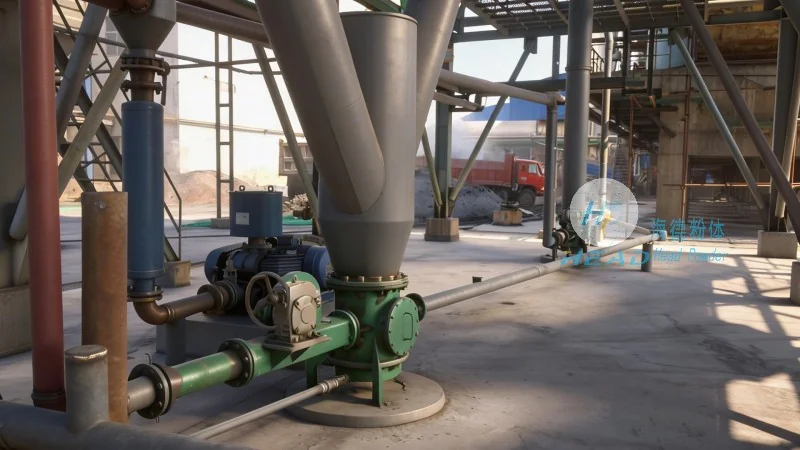
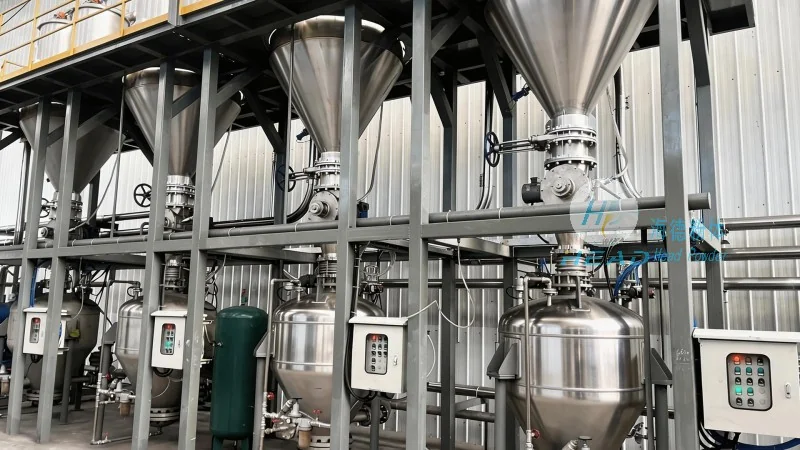
A well-designed PTFE micropowder pneumatic conveying system integrates several key components. The conveying line typically uses a dilute phase or dense phase approach depending on the required throughput and distance. For PTFE micropowder, dense phase conveying is often preferred because it reduces air velocity, minimizes particle degradation, and lowers the risk of electrostatic buildup. The system includes a feed hopper with a rotary valve or screw feeder, a conveying pipeline made of anti-static material, a cyclone separator or bag filter for product recovery, and a control system that monitors pressure, flow rate, and material level. All components must be designed to handle the abrasive and cohesive nature of PTFE micropowder while maintaining a closed, dust-free environment.

Engineering Design for PTFE Micropowder Conveying

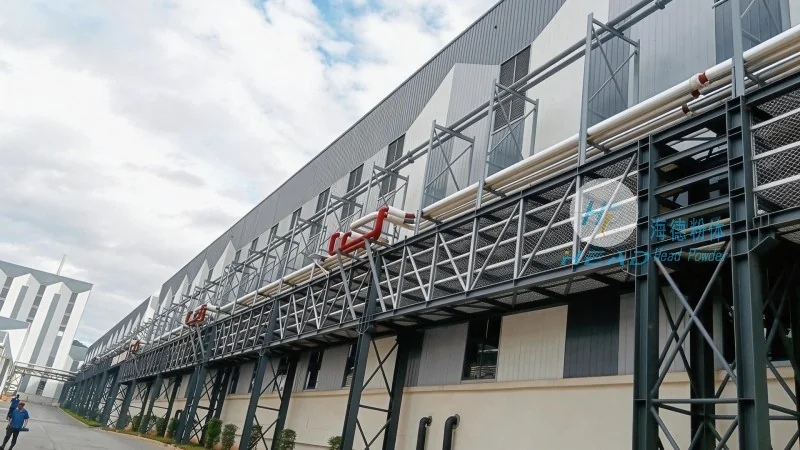
PTFE micropowder conveying engineering design requires careful consideration of material properties and plant layout. The conveying distance, elevation changes, and number of bends significantly affect system performance. Engineers must calculate the minimum conveying velocity to prevent saltation while avoiding excessive velocity that could cause particle attrition or static discharge. The pipe diameter, wall thickness, and material of construction (typically stainless steel with smooth internal surface) are selected to reduce friction and wear. Additionally, the system must incorporate grounding measures to dissipate static electricity, which is a common hazard when handling PTFE micropowder. A typical PTFE micropowder conveying engineering design also includes provisions for system expansion, easy cleaning, and maintenance access.

PTFE micro powder pneumatic conveying scheme

Advantages of Using a Dedicated PTFE Micropowder Pneumatic Conveying System

Investing in a dedicated PTFE micropowder pneumatic conveying system offers multiple benefits. First, it eliminates manual handling, reducing labor costs and improving worker safety by avoiding direct exposure to fine powder. Second, the closed system prevents contamination and product loss, ensuring high purity and yield. Third, automated conveying reduces downtime and improves process consistency. The system can be integrated with batching, blending, and packaging equipment for seamless production. Furthermore, a properly designed PTFE micropowder pneumatic conveying system can achieve energy savings by optimizing air consumption and using low-pressure conveying. Companies like Haide Powder, a professional PTFE micropowder pneumatic conveying manufacturer, specialize in custom solutions that address these advantages.

Application Examples of PTFE Micropowder Conveying Systems

PTFE micropowder conveying systems are used across various industries. In the chemical sector, they are employed to transfer PTFE micropowder from storage silos to mixing stations for the production of high-performance compounds. In the plastics industry, the system feeds PTFE micropowder into extruders or injection molding machines as an additive. In the coating industry, precise metering of PTFE micropowder into liquid formulations is achieved through pneumatic conveying. The design of each system is tailored to the specific application, considering factors such as conveying rate, distance, and integration with existing equipment. Haide Powder, with its headquarters in Shandong, China, has extensive experience in delivering PTFE micropowder conveying engineering design for such diverse applications.

Why Choose Haide Powder as Your PTFE Micropowder Pneumatic Conveying Manufacturer

Shandong Haide Powder Engineering Co., Ltd., known as Haide Powder, is a leading provider of pneumatic conveying solutions for fine powders. With years of expertise in handling cohesive and electrostatic materials, the company offers comprehensive services from conceptual design to installation and commissioning. Their team of engineers understands the specific requirements of PTFE micropowder, ensuring that the conveying system is reliable, safe, and efficient. The company is located in Shandong, China, and serves clients both domestically and internationally. For detailed inquiries about PTFE micropowder pneumatic conveying systems, you can contact Mr. Zhang, the responsible manager, at phone number 15662777102. Haide Powder is committed to delivering high-quality PTFE micropowder conveying systems that meet the unique needs of each customer.

PTFE micro powder pneumatic conveying scheme

Key Considerations for PTFE Micropowder Conveying System Design

When designing a PTFE micropowder conveying system, several factors must be evaluated. The first is the material's flowability, which can be improved by using aeration or vibration. The second is the moisture content, as PTFE micropowder is hydrophobic but can still absorb moisture from the air, affecting conveying behavior. The third is the conveying air quality – dry and oil-free compressed air is recommended to prevent contamination. The pipeline layout should minimize the number of bends and use long-radius elbows to reduce pressure drop and wear. The filter system must be capable of handling fine particles, often using pulse-jet cleaning for continuous operation. A well-designed PTFE micropowder pneumatic conveying system will incorporate these considerations to ensure long-term, trouble-free operation.

Contact Information for PTFE Micropowder Conveying Solutions

For more information on how Haide Powder can assist with your PTFE micropowder conveying needs, please reach out to the contact person. Mr. Zhang, the manager of Haide Powder, is available to discuss your project requirements. You can call 15662777102 to schedule a consultation. The company is based in Shandong, China, and provides full support for PTFE micropowder conveying engineering design, system manufacturing, and after-sales service. Whether you need a small-scale conveying unit or a large integrated system, Haide Powder has the expertise to deliver a solution that optimizes your production process.

Summary of PTFE Micropowder Pneumatic Conveying Solutions

In conclusion, the pneumatic conveying of PTFE micropowder is a specialized field that demands careful engineering and robust equipment. The key to success lies in selecting a reliable PTFE micropowder pneumatic conveying manufacturer and investing in proper PTFE micropowder conveying engineering design. Haide Powder, as a professional PTFE micropowder conveying system provider, offers tailored solutions that address the unique challenges of this material. By using a dedicated system, companies can achieve higher efficiency, better product quality, and improved workplace safety. For any questions or project inquiries, contact Mr. Zhang at 15662777102. Haide Powder looks forward to helping you optimize your PTFE micropowder handling operations.

Copyright © Shandong Headpowder Engineering Co., Ltd. All Rights Reserved.    Publicity of business license

top