

Design Considerations for Wheat Bran Pneumatic Conveying System Solutions
Wheat bran, a byproduct of wheat milling, is widely used in various industries such as food processing, animal feed production, and pharmaceuticals. Efficient and reliable material handling is crucial for optimizing production processes and maintaining product quality. Pneumatic conveying systems offer a versatile solution for transporting wheat bran and other bulk materials, providing advantages like dust control, low maintenance, and the ability to handle sensitive products. This article outlines key design considerations for implementing effective wheat bran pneumatic conveying systems, focusing on the technical and operational aspects that ensure optimal performance.
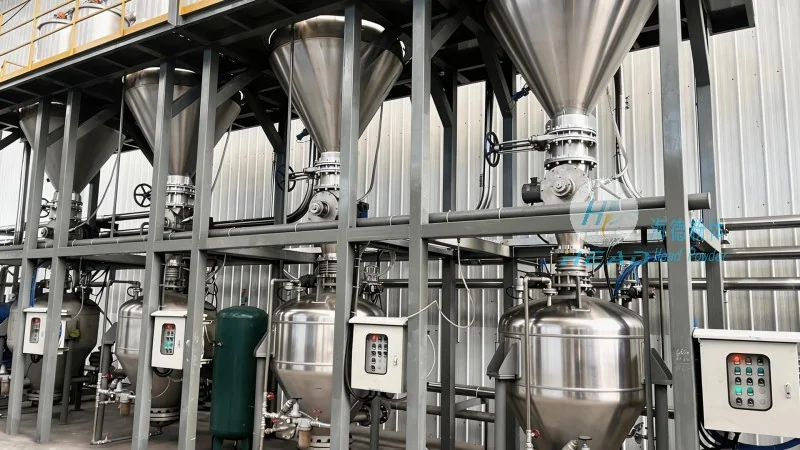
Key Design Considerations for Pneumatic Conveying Systems
When designing a pneumatic conveying system for wheat bran, several critical factors must be addressed to ensure efficiency, safety, and longevity. The first consideration is the selection of the appropriate conveying type—positive pressure, negative pressure, or a combination of both. Positive pressure systems are ideal for short-distance, high-volume transport, as they use a blower to push air and material through the system. Negative pressure systems, on the other hand, are suitable for longer distances or when dust control is a priority, as they draw material into the system using a vacuum. The choice of conveying type depends on the specific application requirements, including the distance between the source and destination, the volume of material to be transported, and the need for dust containment.
Another crucial design aspect is the selection of the appropriate air velocity and material velocity. Air velocity refers to the speed of the air moving through the pipeline, while material velocity is the speed of the wheat bran particles being conveyed. Maintaining an optimal ratio between air and material velocities is essential to prevent material buildup or blockages in the system. For wheat bran, typical air velocities range from 20 to 30 meters per second, with material velocities ranging from 5 to 10 meters per second. Proper velocity selection ensures that the material is fully suspended in the air stream, reducing wear on the system components and improving overall efficiency.
System layout and pipeline design are also critical design considerations. The layout should minimize the number of bends and changes in direction, as these can cause pressure losses and increase the risk of material deposition. Smooth, gradual bends with a radius of at least 5 times the pipe diameter are recommended to maintain consistent air flow and prevent blockages. Additionally, the pipeline should be sized appropriately to handle the expected material flow rate, with larger diameters required for higher volumes. Proper sealing of all joints and connections is essential to prevent air leaks, which can reduce system efficiency and increase energy consumption.
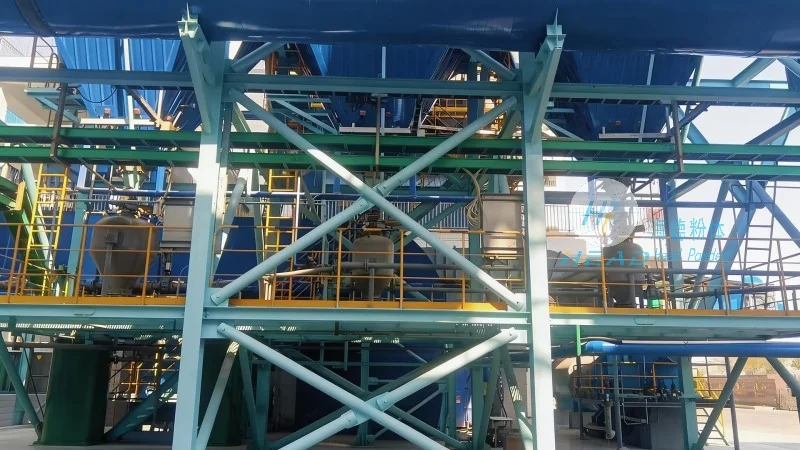
Material handling equipment, including feeders and receivers, plays a vital role in the overall performance of the pneumatic conveying system. The feeder must be capable of consistently and accurately feeding wheat bran into the system, while the receiver must be designed to handle the material without causing spills or contamination. Screw feeders and rotary valves are commonly used for wheat bran, as they provide reliable and controlled material flow. The receiver should be equipped with a dust collection system to prevent airborne particles from escaping and to maintain a clean working environment.
Control and monitoring systems are essential for ensuring the smooth operation of the pneumatic conveying system. Automated controls can regulate the air pressure, material flow rate, and system speed, optimizing performance based on real-time conditions. Monitoring equipment, such as pressure sensors and flow meters, provides valuable data on system performance, allowing for early detection of issues like blockages or air leaks. This data can be used to adjust system parameters and prevent downtime, reducing maintenance costs and improving overall productivity.
Safety considerations are paramount when designing and operating pneumatic conveying systems for wheat bran. Proper ventilation and dust extraction systems are necessary to prevent the accumulation of combustible dust, which can pose a fire or explosion risk. The system should be equipped with emergency shut-off valves and pressure relief devices to protect against overpressure situations. Additionally, regular maintenance and inspections are required to ensure that all components are in good working condition and that safety protocols are being followed.
HeadPowder's Expertise in Wheat Bran Pneumatic Conveying Solutions
Shandong HeadPowder Engineering Co., Ltd. specializes in designing and manufacturing customized pneumatic conveying systems tailored to the specific needs of wheat bran processing facilities. With years of experience in the industry, HeadPowder has developed a deep understanding of the unique challenges associated with handling wheat bran, including its light weight, tendency to clump, and sensitivity to moisture. The company's team of engineers and technicians work closely with clients to assess their production requirements, material characteristics, and operational constraints, ensuring that the final system is optimized for efficiency and reliability.
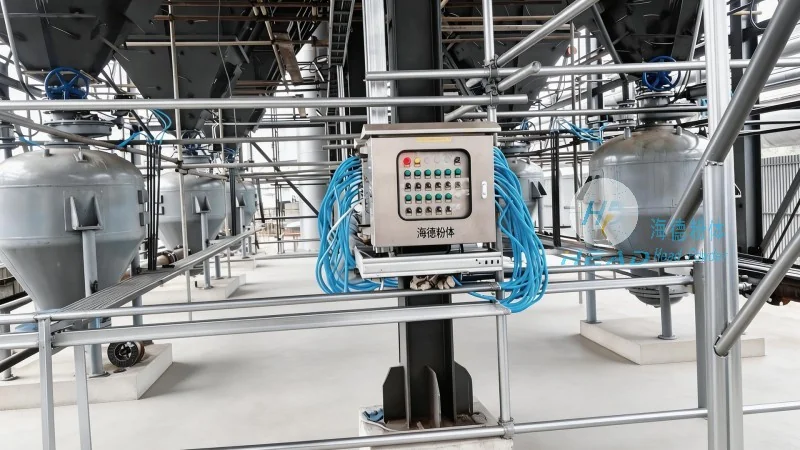
HeadPowder's approach to system design emphasizes a comprehensive understanding of the entire material handling process. This includes evaluating the source of the wheat bran, the distance and layout of the conveying route, and the destination of the material. By considering all aspects of the process, HeadPowder can recommend the most suitable conveying type, equipment, and control systems for each application. The company uses advanced software and simulation tools to model system performance, allowing for precise calculations of air velocity, material flow rate, and pressure losses. This ensures that the final system meets the client's performance expectations while minimizing costs and energy consumption.
HeadPowder's commitment to quality and customer satisfaction is reflected in its product range and service offerings. The company provides a wide selection of pneumatic conveying equipment, including blowers, filters, and receivers, all designed to meet the specific requirements of wheat bran processing. Additionally, HeadPowder offers comprehensive installation, commissioning, and maintenance services to ensure that the system operates at peak performance throughout its lifecycle. The company's technical support team is available to provide guidance and assistance, helping clients troubleshoot issues and optimize system performance.
Conclusion: Optimizing Wheat Bran Handling with Pneumatic Conveying
Efficient and reliable pneumatic conveying systems are essential for optimizing the handling of wheat bran in various industrial applications. By addressing key design considerations such as conveying type, velocity, system layout, and material handling equipment, facilities can improve productivity, reduce costs, and maintain product quality. Shandong HeadPowder Engineering Co., Ltd. offers expert solutions tailored to the unique needs of wheat bran processing, providing customized systems that enhance operational efficiency and safety. With its focus on quality, customer service, and technical expertise, HeadPowder is a trusted partner for businesses seeking to improve their material handling processes and achieve long-term success in the wheat bran industry.