

Design Considerations for Pneumatic Conveying Systems of Lithium-Ion Battery Anode Materials
HeadPowder, a leading engineering firm based in Shandong, China, specializes in the design and implementation of advanced pneumatic conveying systems tailored for the handling of lithium-ion battery anode materials. These systems are critical in ensuring efficient, safe, and reliable material transport within battery manufacturing facilities. The following discussion outlines key design considerations that are essential for optimizing such systems.
Material Characteristics and System Selection
The performance of a pneumatic conveying system is heavily influenced by the physical and chemical properties of the anode material being transported. Lithium-ion battery anode materials, such as graphite, silicon, or other carbon-based compounds, often exhibit unique characteristics like low bulk density, high dustiness, and potential reactivity. These factors dictate the choice between different conveying technologies, including dilute-phase and dense-phase systems. For instance, dilute-phase systems are suitable for materials with low dust content and moderate flowability, while dense-phase systems are preferred for handling fine powders or materials prone to clogging. HeadPowder engineers conduct thorough material analysis to select the most appropriate system configuration, ensuring optimal flow rates and minimal pressure drop.
System Components and Design Parameters
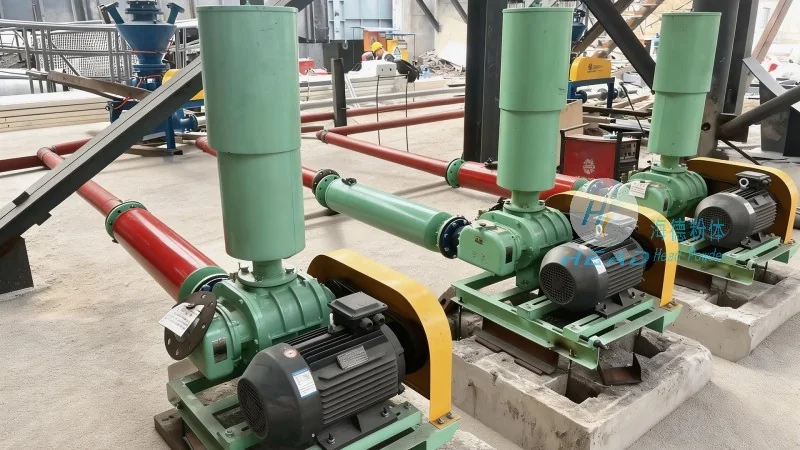
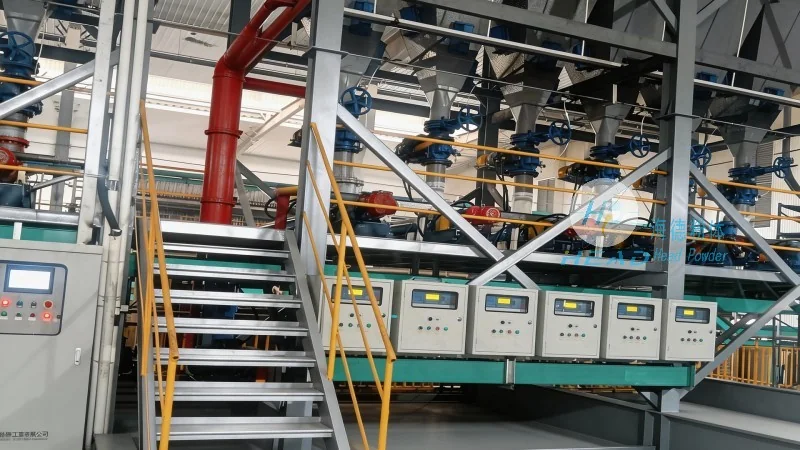
A pneumatic conveying system comprises several key components, each playing a crucial role in the overall operation. The primary components include the material feed hopper, the conveying line (usually made of stainless steel or other corrosion-resistant materials), the air supply system (including blowers or compressors), and the discharge hopper or collection system. Design parameters such as the conveying velocity, pressure, and material flow rate are critical. Engineers at HeadPowder utilize computational fluid dynamics (CFD) and empirical data to determine these parameters, ensuring that the system operates within safe and efficient limits. For example, the selection of blower capacity is based on the required air volume and pressure to maintain the material in suspension, preventing blockages and ensuring consistent flow.
Material Handling and Safety Considerations
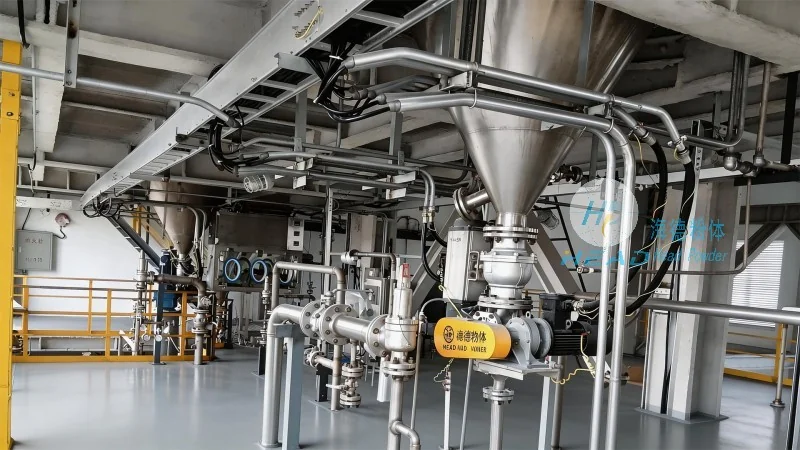
Ensuring the safety of personnel and equipment is paramount in the design of anode material handling systems. Lithium-ion battery anode powders can be hazardous if inhaled or come into contact with skin. Therefore, systems must incorporate dust collection and filtration systems to capture airborne particles. Additionally, explosion-proof designs are often required, especially when handling flammable materials. HeadPowder integrates advanced safety features, such as pressure relief valves, flame arrestors, and automatic shutdown mechanisms, to mitigate risks. The system design also considers the prevention of material contamination, as anode powders must meet stringent purity standards for battery performance. Proper sealing and cleaning protocols are implemented to maintain material integrity throughout the conveying process.
Integration with Manufacturing Processes
The pneumatic conveying system is typically integrated into the broader battery manufacturing workflow. This integration requires careful coordination with other equipment, such as mixing, coating, and cell assembly lines. HeadPowder engineers ensure that the conveying system can interface seamlessly with existing or new production lines, minimizing downtime and maximizing productivity. The system design may include features like automated material feeding, real-time flow monitoring, and data logging to enhance operational efficiency. By optimizing the material transfer process, the overall manufacturing throughput is improved, and costs are reduced. The integration also considers the scalability of the system, allowing for future expansion as production capacity increases.
Maintenance and Operational Optimization
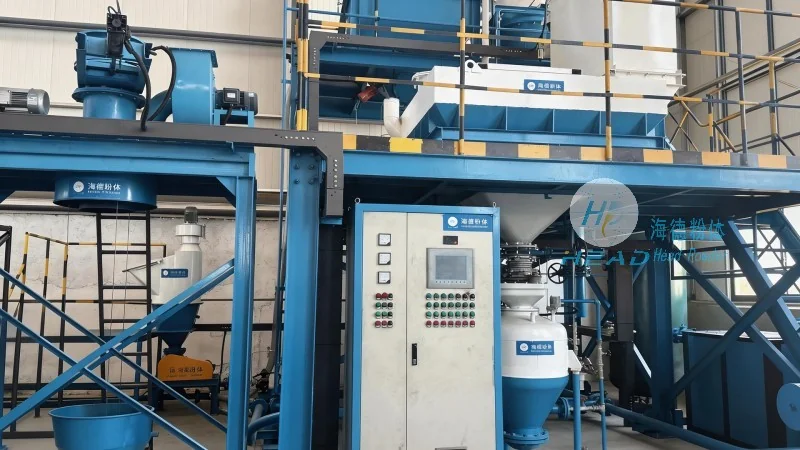
Regular maintenance is essential to ensure the long-term reliability and efficiency of the pneumatic conveying system. HeadPowder provides comprehensive maintenance services, including routine inspections, component replacement, and performance testing. The use of high-quality materials and components reduces the likelihood of failures and extends the system's lifespan. Operational optimization involves monitoring system performance metrics, such as pressure drop, flow rate, and energy consumption, and making adjustments as needed. Advanced control systems can be implemented to automate these adjustments, ensuring the system operates at peak efficiency. By maintaining optimal performance, the system minimizes downtime and reduces operational costs, contributing to the overall profitability of the battery manufacturing facility.