

Design Considerations for Pneumatic Conveying Systems of Sodium Dithionite
Pneumatic conveying systems are critical infrastructure for the efficient and safe handling of sodium dithionite, a key chemical used in various industrial applications. As a leading provider in the field, Shandong HeadPowder Engineering Co., Ltd. specializes in designing and implementing tailored solutions that address the unique challenges associated with this material. This article outlines essential design considerations to ensure optimal performance, safety, and reliability in pneumatic conveying systems for sodium dithionite.
Material Properties and Their Impact on System Design
Sodium dithionite (Na₂S₂O₄) is a hygroscopic, crystalline solid that can be sensitive to moisture and temperature variations. Its physical properties, such as particle size distribution, bulk density, and flowability, directly influence the selection of conveying equipment and system configuration. For instance, fine particles may require higher air velocities to prevent blockages, while cohesive materials might necessitate the use of additives or modified duct designs to enhance flow. Understanding these characteristics is fundamental to designing a system that minimizes operational issues and maximizes throughput.
System Configuration and Component Selection
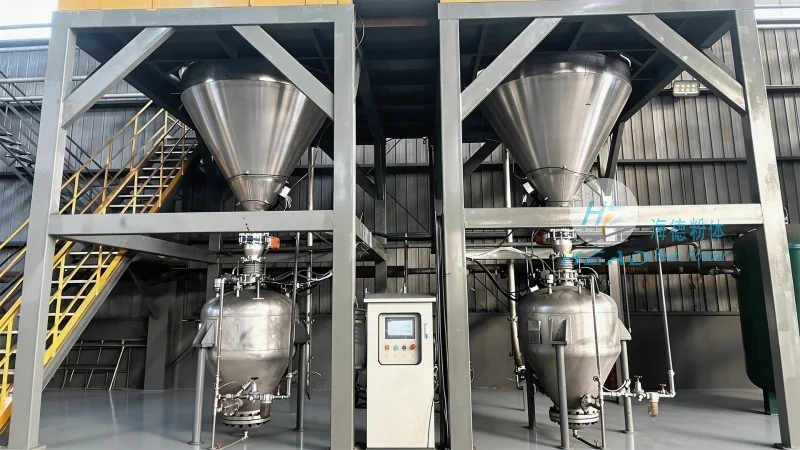
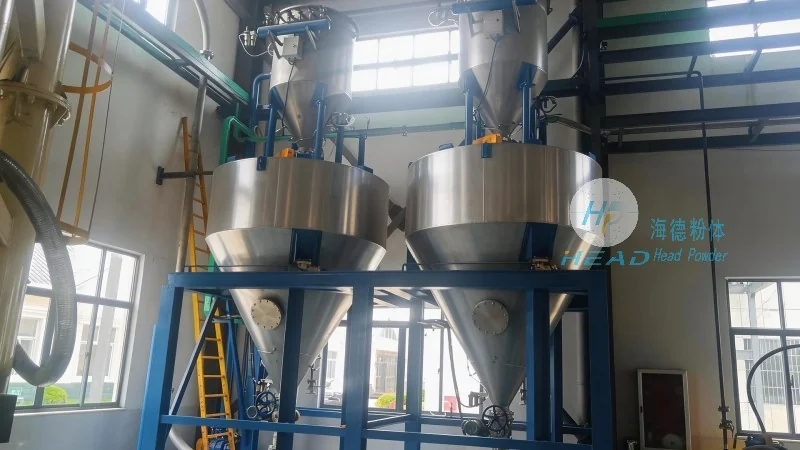
The configuration of a pneumatic conveying system for sodium dithionite typically involves a combination of positive and negative pressure zones, depending on the application requirements. Positive pressure systems are often preferred for transporting materials over long distances or to multiple destinations, as they offer better control over air flow and material discharge. In contrast, negative pressure systems are suitable for short-distance transport or when the material is to be collected from a central point. Key components include the feed hopper, air compressor, conveying ducts, and discharge equipment. The choice of materials for these components—such as stainless steel or corrosion-resistant alloys—is critical, given sodium dithionite's potential to cause chemical reactions with certain metals. Additionally, the inclusion of filters and cyclones is essential to prevent dust accumulation and maintain system efficiency.
Flow Rate and Air Velocity Optimization
Optimizing the flow rate and air velocity is a critical aspect of pneumatic conveying system design. The air velocity must be sufficient to entrain the material particles but not so high as to cause excessive wear on ductwork or generate excessive dust. For sodium dithionite, typical air velocities range from 20 to 30 meters per second in positive pressure systems, while negative pressure systems may operate at lower velocities. The flow rate is determined by the required throughput and the material's bulk density. Proper calculation of these parameters ensures that the system operates within its design limits, preventing overloading or underutilization. Shandong HeadPowder Engineering Co., Ltd. employs advanced computational fluid dynamics (CFD) modeling to simulate flow patterns and identify potential bottlenecks, ensuring that the final design meets performance targets.
Safety and Environmental Considerations
Safety is paramount when handling sodium dithionite, as it can be a irritant and may pose fire hazards under certain conditions. Pneumatic conveying systems must incorporate safety features such as explosion-proof air compressors, fire suppression systems, and emergency shutdown mechanisms. Additionally, the system design should minimize dust generation and exposure to personnel. This includes the use of sealed hoppers, enclosed ducts, and efficient filtration systems. Environmental regulations also play a role, as the system must comply with local air quality standards. By integrating these safety and environmental measures, the system not only protects workers but also ensures long-term compliance with regulatory requirements.
Installation and Maintenance Best Practices
The successful operation of a pneumatic conveying system for sodium dithionite depends on proper installation and regular maintenance. Installation should follow manufacturer guidelines, ensuring that all components are properly aligned and secured. Regular inspections of ducts, filters, and air compressors are necessary to detect wear or damage early. Cleaning the system, particularly the filters and cyclones, is crucial to maintain airflow efficiency and prevent blockages. Shandong HeadPowder Engineering Co., Ltd. provides comprehensive maintenance services, including scheduled inspections and component replacement, to ensure the system operates at peak performance. Proper maintenance not only extends the system's lifespan but also reduces downtime and operational costs.
Case Study: A Successful Implementation by Shandong HeadPowder Engineering Co., Ltd.
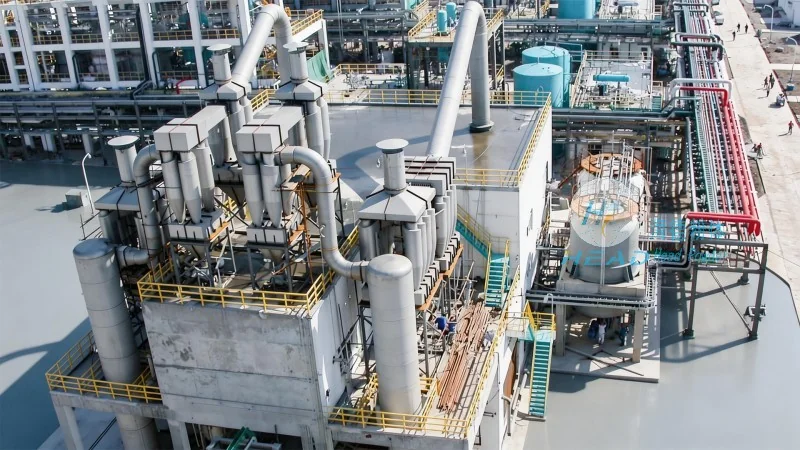
Shandong HeadPowder Engineering Co., Ltd. recently completed a project for a client in China, where a new pneumatic conveying system was installed to transport sodium dithionite from a storage silo to a processing plant. The system was designed to handle a throughput of 10 tons per hour, with a total conveying distance of 150 meters. The solution included a positive pressure conveying line with a stainless steel duct system, a high-efficiency cyclone separator, and an explosion-proof air compressor. The system has been in operation for over a year, achieving consistent performance with minimal downtime. The client reported significant improvements in material handling efficiency and reduced labor costs associated with manual handling. This case study highlights the effectiveness of Shandong HeadPowder Engineering Co., Ltd.'s approach to system design and implementation, demonstrating the company's expertise in meeting the specific needs of sodium dithionite applications.
Conclusion
Pneumatic conveying systems for sodium dithionite require careful consideration of material properties, system configuration, flow optimization, safety measures, and maintenance practices. By addressing these factors, engineers can design systems that are efficient, reliable, and safe. Shandong HeadPowder Engineering Co., Ltd. leverages its expertise and advanced technologies to deliver tailored solutions that meet the unique challenges of sodium dithionite handling. Whether for new installations or system upgrades, the company's commitment to quality and customer satisfaction ensures that clients receive the best possible pneumatic conveying solutions for their industrial needs.