

Detailed Explanation of Resin Powder Pneumatic Conveying Systems
Resin powder pneumatic conveying systems are specialized industrial solutions designed to efficiently transport resin powders from one location to another using compressed air or other gas as the conveying medium. These systems are crucial in various manufacturing processes, particularly in the plastics and chemical industries, where the reliable and safe handling of resin powders is essential. The technology behind these systems combines mechanical and pneumatic principles to ensure optimal performance, minimal product degradation, and operational efficiency.
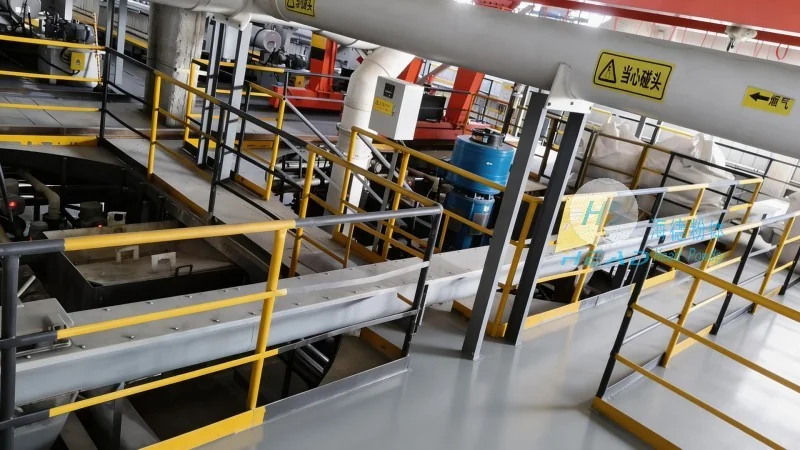
Key Components of a Resin Powder Pneumatic Conveying System
The core components of a resin powder pneumatic conveying system typically include a hopper for material storage, a feeder to control the flow rate, a conveying line (often with bends and filters), and a receiver for the discharged material. The system may also feature a blower or compressor to generate the necessary air pressure, a filter to capture fine particles, and a control panel to manage the entire operation. Each component plays a vital role in maintaining the system's performance and ensuring the safe handling of resin powders.
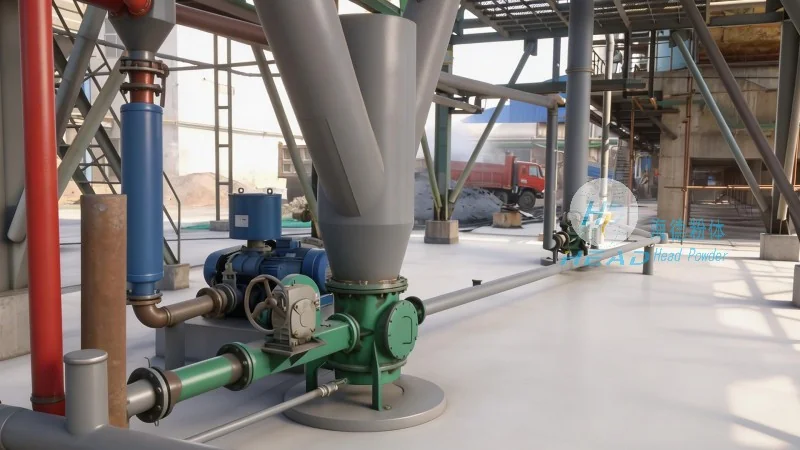
Advantages of Using Pneumatic Conveying for Resin Powders
Compared to traditional bulk material handling methods like belt conveyors or screw conveyors, pneumatic conveying offers several advantages for resin powders. One of the primary benefits is the ability to handle fine, abrasive, or hygroscopic powders without causing product degradation or contamination. The enclosed system also minimizes dust emissions, enhancing workplace safety and compliance with environmental regulations. Additionally, pneumatic conveying systems can be designed for both low and high-pressure applications, providing flexibility to suit different process requirements. The system's ability to transport materials over long distances with minimal maintenance and high reliability further contributes to its popularity in industrial settings.
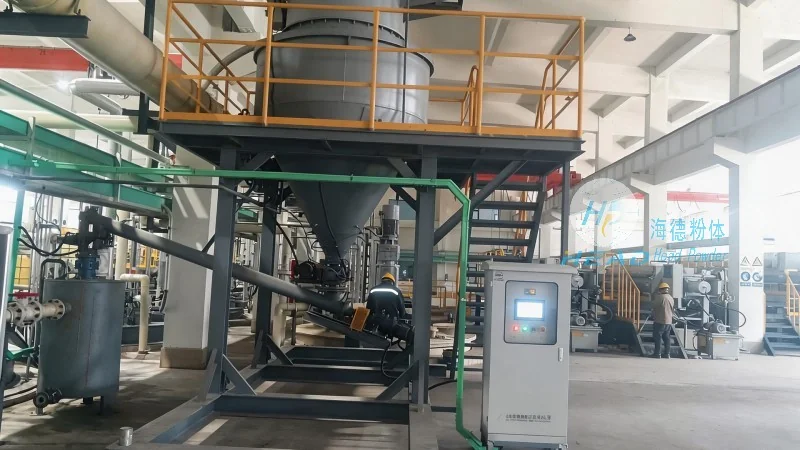
Application Scenarios in the Plastics Industry
In the plastics manufacturing sector, resin powder pneumatic conveying systems are widely used in processes such as resin storage, blending, and feeding into extruders or injection molding machines. For example, in a resin production facility, these systems can efficiently transport newly manufactured resin powders from storage silos to processing lines, ensuring a continuous supply of raw materials. Similarly, in polymer compounding plants, pneumatic conveying is used to blend different resin powders with additives, such as colorants or stabilizers, before the mixture is fed into the next stage of production. The precision and control offered by these systems help maintain consistent product quality and reduce material waste.
Design Considerations for Optimal Performance
The design of a resin powder pneumatic conveying system requires careful consideration of several factors to ensure optimal performance and longevity. Material selection for components, such as hoppers and conveying lines, is critical to prevent corrosion or wear from abrasive resin powders. The system's air pressure and flow rate must be precisely matched to the specific characteristics of the resin powder, including particle size, density, and moisture content. Proper filtration and cleaning procedures are also essential to maintain system efficiency and prevent blockages. Additionally, the system should be equipped with safety features, such as pressure relief valves and dust collection systems, to mitigate potential hazards and ensure compliance with safety standards.
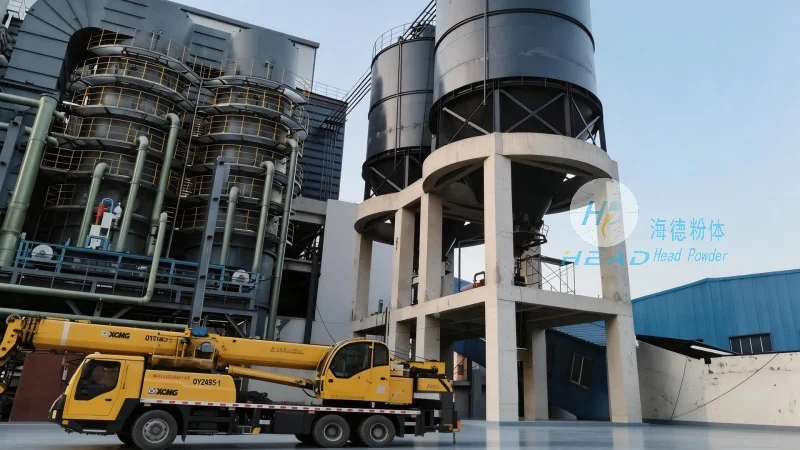
Maintenance and Operational Tips
Regular maintenance is essential to keep a resin powder pneumatic conveying system operating at peak efficiency. This includes routine checks of the blower or compressor, cleaning of filters and hopper interiors, and inspection of conveying lines for any signs of wear or blockage. It is also important to monitor the system's air pressure and flow rates to detect any deviations that may indicate a problem. Proper training for operators on the system's operation and maintenance procedures is crucial to prevent accidents and ensure the system's longevity. By following these maintenance and operational tips, users can maximize the system's performance and minimize downtime.