

[Detailed Explanation of Calcium Carbonate Pneumatic Conveying Systems]
Calcium carbonate is a widely used industrial material, and its efficient handling and transportation are crucial for various production processes. Pneumatic conveying systems have emerged as a highly effective solution for moving calcium carbonate powder, offering advantages such as low maintenance, high efficiency, and the ability to transport materials over long distances without the need for complex infrastructure. This article provides a comprehensive overview of calcium carbonate pneumatic conveying systems, focusing on their design, operation, and key components.
Introduction to Calcium Carbonate Pneumatic Conveying
Calcium carbonate, often in the form of fine powder, is commonly utilized in industries like plastics, paper, and construction. Traditional methods of material handling, such as belt conveyors or manual loading, may not be suitable for fine powders due to issues like dust generation, material degradation, and operational inefficiencies. Pneumatic conveying systems address these challenges by using air pressure to transport the material from the source to the destination. This method is particularly advantageous for calcium carbonate, which is often sensitive to moisture and requires a controlled environment to maintain its quality.
Key Components of a Calcium Carbonate Pneumatic Conveying System
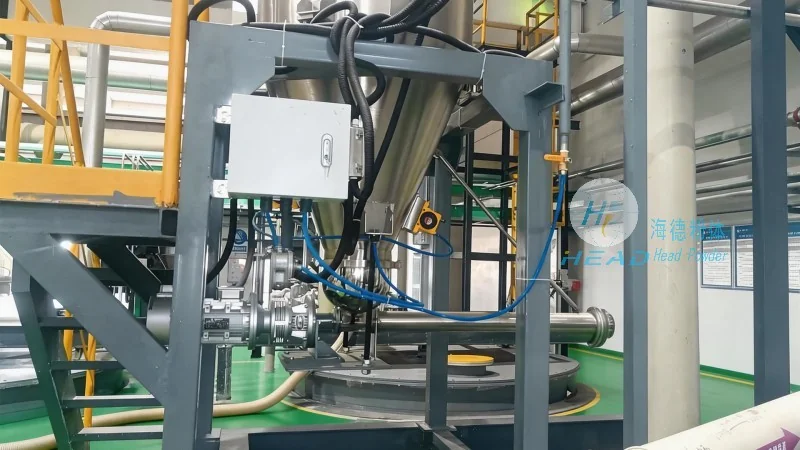
A typical calcium carbonate pneumatic conveying system consists of several essential components that work in tandem to ensure smooth operation. The primary components include a material hopper, a rotary airlock valve, a conveying line, a receiver, and a dust collector. Each component plays a critical role in the overall system performance.
The material hopper is the initial storage unit where calcium carbonate powder is loaded. It is designed to hold a sufficient quantity of material to maintain a consistent flow to the system. The hopper is equipped with a discharge mechanism, often a rotary airlock valve, which regulates the flow of material into the conveying line. The rotary airlock valve prevents backflow of air and ensures a controlled release of the powder, maintaining the system's pressure and preventing material buildup.
The conveying line is the core of the system, typically made of stainless steel or other corrosion-resistant materials to handle the calcium carbonate powder. The line is connected to a blower or compressor that generates the necessary air pressure to move the material. The air velocity within the line is carefully controlled to ensure the powder is suspended and transported efficiently without causing excessive wear or degradation.
The receiver is the final destination where the calcium carbonate powder is deposited. It is designed to collect the material and may include features like a discharge valve to allow controlled release. The receiver is often equipped with a dust collection system to capture any airborne particles and maintain a clean working environment.
Working Principle of the System
The operation of a calcium carbonate pneumatic conveying system is based on the principle of air suspension. The blower creates a high-pressure air stream that enters the conveying line. As the air flows through the line, it picks up the calcium carbonate powder from the hopper. The powder particles are suspended in the air stream and transported to the receiver. The air velocity is maintained at a level that ensures the particles remain in suspension, preventing settling or blockages.
The system operates in a closed loop, with the air being recirculated or exhausted through a dust collector. The dust collector filters out any fine particles, ensuring that the air released back into the environment is clean. This closed-loop design minimizes material loss and maintains a consistent pressure within the system, enhancing overall efficiency.

Advantages of Using Pneumatic Conveying for Calcium Carbonate
Pneumatic conveying systems offer several advantages when handling calcium carbonate powder. One of the key benefits is the ability to transport materials over long distances without the need for intermediate transfer points. This reduces the risk of material degradation and contamination, which is critical for maintaining the quality of calcium carbonate used in various applications.
Another advantage is the low maintenance requirement. Unlike mechanical conveyors, pneumatic systems have fewer moving parts that are prone to wear and tear. The absence of belts, chains, or other mechanical components reduces the need for frequent repairs and maintenance, leading to lower operational costs over time.
The system also provides better control over the material flow. The rotary airlock valve and other control mechanisms allow for precise regulation of the material discharge rate, ensuring that the receiving process is smooth and efficient. This control is particularly important in applications where the material needs to be added to a production line at a specific rate.
Furthermore, pneumatic conveying systems are more hygienic and safer compared to traditional methods. The enclosed system prevents dust from spreading, reducing the risk of respiratory issues for workers and minimizing the impact on the environment. The system also reduces the risk of material spillage, which can be a significant issue with open conveyors.
Applications and Industries
Calcium carbonate pneumatic conveying systems are widely used in various industries that rely on fine powders. In the plastics industry, calcium carbonate is used as a filler to improve the mechanical properties of plastic products. The pneumatic system ensures that the powder is delivered to the production line in a consistent and controlled manner, enhancing the quality of the final product.
In the paper industry, calcium carbonate is used as a coating pigment and filler. The efficient transportation of the powder via pneumatic systems is essential for maintaining the quality of the paper coating and ensuring uniform distribution of the material. This leads to improved paper properties, such as brightness and smoothness.
In the construction industry, calcium carbonate is used in cement and concrete production. The pneumatic conveying system allows for the easy and safe transportation of the powder from storage to the mixing plant, ensuring that the cement production process is efficient and consistent.
Customization and Scalability
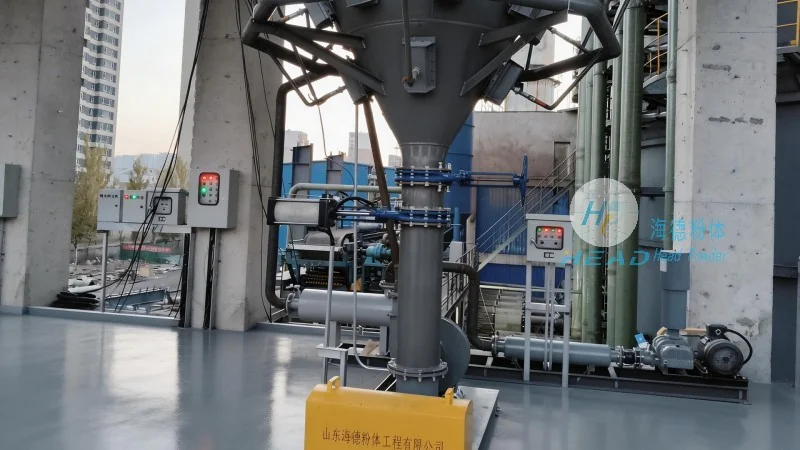
Calcium carbonate pneumatic conveying systems can be customized to meet the specific needs of different applications. The system design can be adjusted based on the volume of material to be transported, the distance between the source and destination, and the required flow rate. This flexibility allows the system to be scaled up or down to accommodate changes in production requirements.
For example, in large-scale production facilities, the system may include multiple conveying lines or a larger blower to handle higher volumes of calcium carbonate. In smaller applications, a more compact system with a smaller blower and shorter conveying lines may be sufficient. The ability to customize the system ensures that it can be integrated seamlessly into existing production processes without disrupting operations.
Maintenance and Operational Considerations
While pneumatic conveying systems offer many advantages, proper maintenance is essential to ensure long-term performance and reliability. Regular inspections of the conveying line, blower, and other components are necessary to identify and address any issues before they become major problems.
The rotary airlock valve, in particular, requires regular maintenance to ensure it operates smoothly and prevents material buildup. The dust collector also needs to be cleaned periodically to maintain its efficiency and prevent clogging. Proper maintenance of these components ensures that the system operates at optimal performance levels, minimizing downtime and maximizing productivity.
Operational considerations also include the selection of appropriate air pressure and velocity. The air pressure must be sufficient to suspend the calcium carbonate powder but not so high that it causes excessive wear on the system components. The velocity of the air stream is also critical, as too low a velocity may cause the powder to settle, while too high a velocity may lead to increased energy consumption and wear.
Conclusion
Pneumatic conveying systems are a highly effective and efficient solution for handling calcium carbonate powder in various industrial applications. The system's design, which includes components like the material hopper, rotary airlock valve, conveying line, receiver, and dust collector, ensures that the material is transported safely and efficiently. The advantages of using pneumatic conveying, such as low maintenance, long-distance transport, and better control over material flow, make it an ideal choice for industries that rely on calcium carbonate.
Companies like Shandong HeadPowder Engineering Co., Ltd., with a focus on engineering solutions for material handling, offer customized pneumatic conveying systems tailored to the specific needs of their clients. Based in China, the company leverages its expertise in industrial engineering to provide reliable and efficient solutions for the transportation of calcium carbonate and other fine powders. The integration of advanced technology and careful design ensures that the systems meet the highest standards of performance and safety, supporting the smooth operation of production processes in various industries.