

[Detailed Explanation of Polyester Fiber Pneumatic Conveying Systems]
For industrial applications requiring efficient and reliable material handling, polyester fiber pneumatic conveying systems offer a robust solution. This article provides a comprehensive overview of such systems, highlighting their design, benefits, and practical applications.
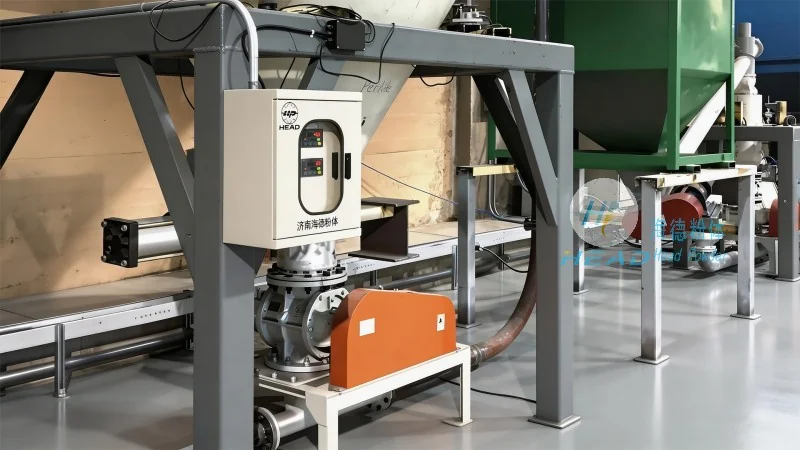
Introduction to Polyester Fiber Pneumatic Conveying Systems
Pneumatic conveying systems utilize air or gas to transport bulk materials, and when polyester fibers are used as the conveying medium, they provide unique advantages in terms of flexibility, durability, and material compatibility. These systems are widely adopted in industries like pharmaceuticals, food processing, and chemical manufacturing, where maintaining product integrity and preventing contamination is paramount.
Company Overview: Shandong HeadPowder Engineering Co., Ltd.
HeadPowder, a leading provider in the field, specializes in the design, manufacturing, and installation of advanced pneumatic conveying solutions. With a strong presence in China, particularly in Shandong province, the company leverages decades of expertise to deliver customized systems tailored to specific operational needs. The company’s commitment to quality and innovation has positioned it as a trusted partner for businesses seeking efficient material handling technologies.
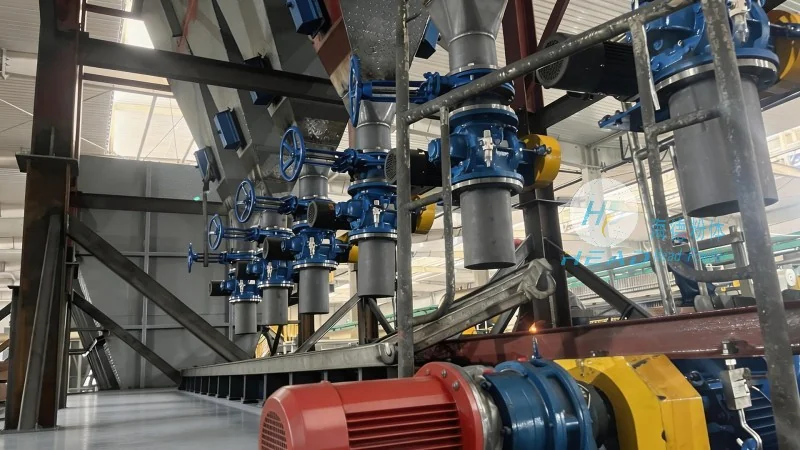
System Design and Core Components
The polyester fiber pneumatic conveying system typically consists of several key components, including a hopper for material storage, a blower or air compressor to generate the conveying air, a pipeline network for material transport, and a receiver or discharge unit for the final product. The use of polyester fibers as the conveying medium allows for gentle handling of delicate materials, minimizing particle breakage and ensuring consistent product quality.
Advantages of Polyester Fiber Pneumatic Conveying Systems
One of the primary advantages of these systems is their ability to handle a wide range of materials, from fine powders to bulk granules, without causing damage. The flexible nature of polyester fibers also enables the system to navigate complex layouts and tight spaces, making it suitable for facilities with limited floor space. Additionally, the system operates with minimal maintenance requirements, reducing downtime and operational costs over time.
Applications and Industry Use Cases
In the pharmaceutical industry, polyester fiber pneumatic conveying systems are used to transport active pharmaceutical ingredients (APIs) and excipients, ensuring that the materials remain sterile and free from contamination. In food processing, they are employed to handle powdered ingredients like sugar, flour, and spices, maintaining the product’s freshness and quality. The chemical industry also benefits from these systems when handling sensitive chemicals, as the polyester fibers prevent chemical reactions and ensure safe transport.
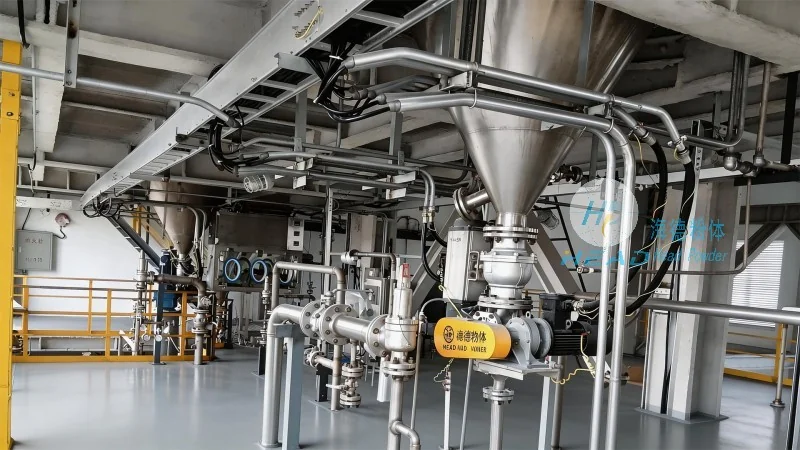
Technical Specifications and Performance Metrics
HeadPowder’s systems are engineered to meet stringent performance standards. Typical technical specifications include conveying capacities ranging from low to high flow rates, depending on the application. The systems are designed to operate efficiently with minimal energy consumption, often achieving energy savings of up to 20% compared to traditional systems. The durability of polyester fibers ensures a long service life, with many systems lasting over 10 years with proper maintenance.
Maintenance and Operational Considerations
Regular maintenance is essential to ensure the optimal performance of polyester fiber pneumatic conveying systems. This includes cleaning the pipeline and hopper to prevent material buildup, inspecting the blower and air compressor for wear and tear, and checking the condition of the polyester fibers for any signs of degradation. Proper operational procedures, such as gradual start-up and shutdown, help to extend the system’s lifespan and prevent sudden failures. By adhering to these guidelines, businesses can maximize the efficiency and reliability of their material handling processes.