

Silica Powder Pneumatic Conveying: How to Efficiently Transport Powdered Materials with Air Flow?
Efficient material handling is a critical concern for industries dealing with powdered substances, such as silica powder. Traditional methods often face challenges like dust generation, material degradation, and operational inefficiencies. Pneumatic conveying, a technology that utilizes air flow to transport bulk powders, offers a solution to these issues. This article explores the principles, applications, and benefits of silica powder pneumatic conveying, highlighting how it enables efficient and safe material transport.
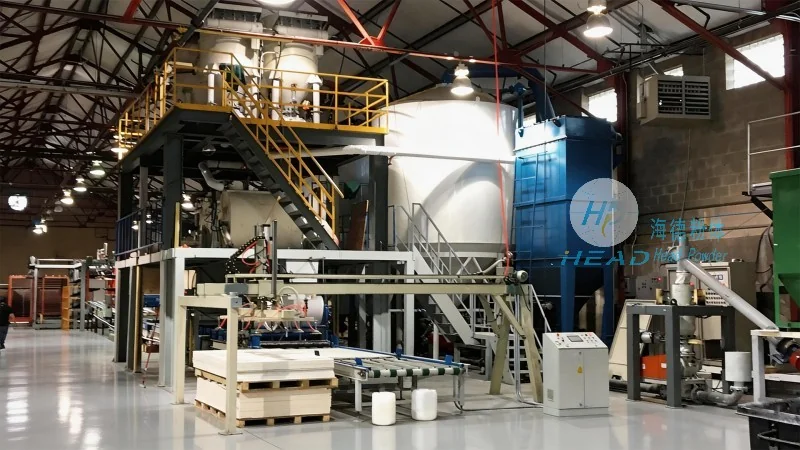
Understanding Pneumatic Conveying for Silica Powder
Pneumatic conveying systems operate by using compressed air or vacuum to move particulate materials through a pipeline. For silica powder, which is a fine, abrasive material, the choice of conveying method—whether pressure or vacuum—depends on factors like material characteristics, distance, and system complexity. Pressure systems use positive pressure to push material through the line, while vacuum systems pull material from a source. The selection of the appropriate system ensures optimal performance and minimal wear on equipment.
Key Components of Silica Powder Pneumatic Conveying Systems
Effective silica powder pneumatic conveying relies on several key components that work in tandem to ensure smooth operation. These include the material feed hopper, which stores and feeds the powder into the system; the air compressor or vacuum pump, which provides the necessary air pressure or vacuum; the conveying line, typically made of corrosion-resistant materials like stainless steel to handle silica's abrasive nature; and the discharge device, which delivers the material to its destination. Each component is designed to withstand the specific challenges posed by silica powder, ensuring durability and reliability.
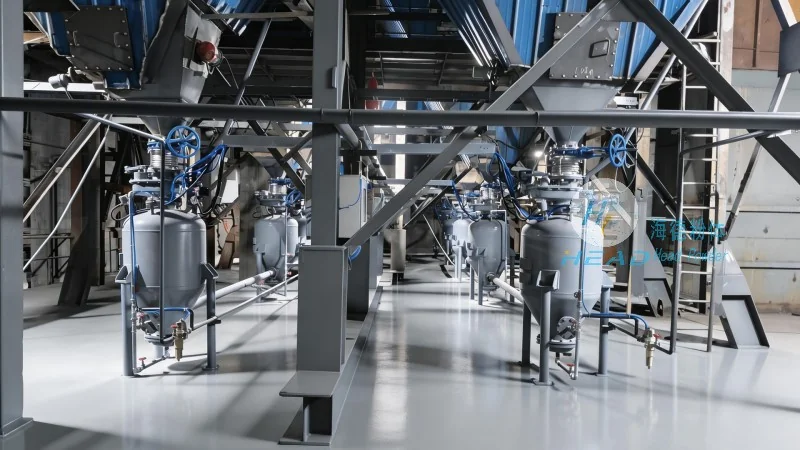
Advantages of Using Pneumatic Conveying for Silica Powder
Compared to traditional methods like bucket elevators or belt conveyors, pneumatic conveying offers several advantages for silica powder transport. One of the most significant benefits is the reduction of dust and contamination, as the material is enclosed within the system. This not only improves workplace safety but also maintains the purity of the silica powder, which is crucial for applications like refractory materials, ceramics, and coatings. Additionally, pneumatic systems can handle varying particle sizes and flow rates, providing flexibility in production processes. The enclosed nature of the system also minimizes material loss and environmental impact, making it an environmentally friendly option.
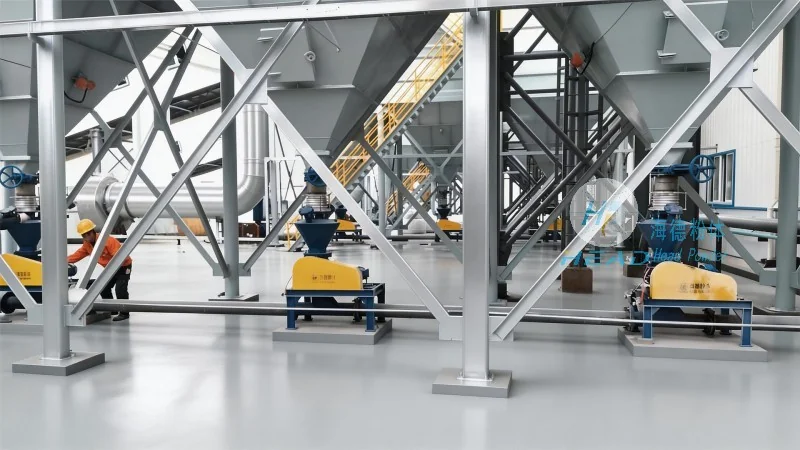
Applications in Industrial Settings
Silica powder pneumatic conveying is widely used in various industrial sectors. In the construction industry, it is employed to transport silica for concrete and mortar production, ensuring consistent material quality. The chemical industry utilizes it for manufacturing silica-based products, such as silicone compounds and catalysts. The pharmaceutical industry also benefits from this technology, as it allows for the safe and hygienic transport of silica powders used in drug formulations. Each application leverages the efficiency and precision of pneumatic conveying to meet specific production requirements.
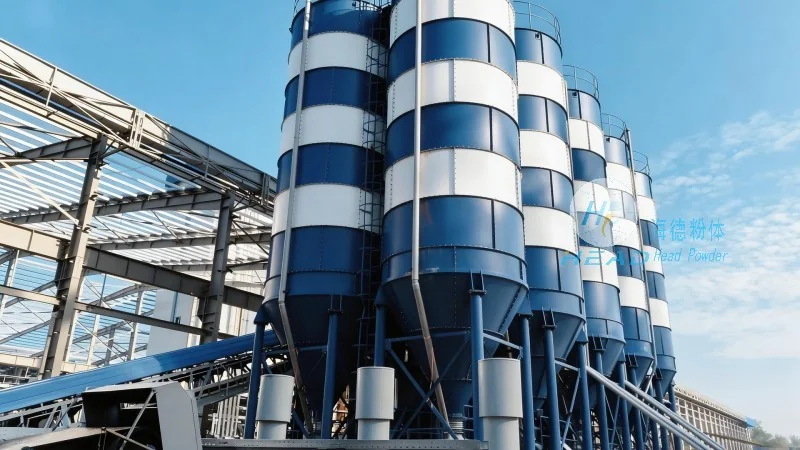
Challenges and Solutions in Silica Powder Pneumatic Conveying
While pneumatic conveying offers numerous benefits, it also presents challenges that must be addressed to ensure optimal performance. One common issue is clogging, which can occur due to the fine particle size of silica powder. To mitigate this, systems often incorporate features like pulse jets or rotary valves that help maintain flow. Another challenge is the wear and tear on equipment, particularly the conveying line and discharge devices, due to silica's abrasive properties. Using high-quality, corrosion-resistant materials and regular maintenance can help extend the lifespan of the system. Additionally, system design must consider the pressure drop and energy consumption, as these factors impact operational costs.
HeadPowder: Expert in Silica Powder Pneumatic Conveying Solutions
Shandong HeadPowder Engineering Co., Ltd., a leading provider of material handling solutions, specializes in designing and manufacturing pneumatic conveying systems tailored to the needs of silica powder industries. With a focus on innovation and customer satisfaction, HeadPowder offers customized solutions that address the unique challenges of transporting fine powders. The company's expertise lies in understanding the material properties of silica and selecting the appropriate conveying technology to ensure efficient, safe, and cost-effective operations. Based in Shandong, China, HeadPowder serves clients globally, providing reliable and durable systems that enhance productivity and reduce operational costs.