

Glass Fiber Pneumatic Conveying: How to Efficiently Transport Powders and Bulk Materials with Air Fl
HeadPowder, a leading provider in the field, specializes in advanced material handling solutions. Pneumatic conveying systems utilize air or gas to transport bulk materials, such as powders and granules, from one location to another. This method offers significant advantages over traditional mechanical conveying, including reduced maintenance, improved safety, and enhanced process control. The choice of materials for the conveying system components is critical to ensure efficiency and longevity, especially when dealing with abrasive or corrosive materials.
Introducing Glass Fiber Pneumatic Conveying: Advantages and Applications
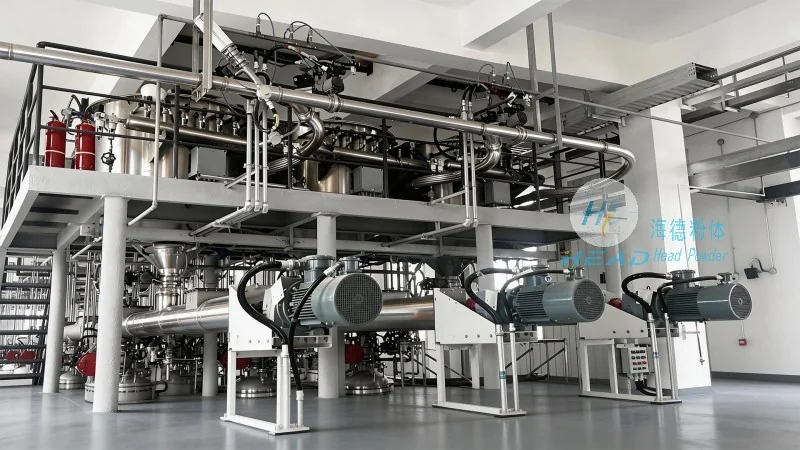
Glass fiber is a popular choice for pneumatic conveying applications due to its exceptional properties. It offers high tensile strength, excellent chemical resistance, and low thermal conductivity. These characteristics make glass fiber ideal for handling a wide range of materials, including glass powders, ceramic powders, and other abrasive substances. The use of glass fiber in pneumatic conveying systems ensures minimal wear and tear on the equipment, leading to lower operational costs and longer service life.
How Air Flow Optimizes Material Transport in Glass Fiber Systems
The efficiency of a glass fiber pneumatic conveying system depends heavily on the optimization of air flow. Proper air velocity and pressure are crucial to prevent material buildup and ensure smooth transport. HeadPowder’s expertise lies in designing systems that achieve optimal air flow conditions, maximizing the throughput of materials while minimizing energy consumption. By carefully selecting the appropriate air flow parameters, businesses can enhance the performance of their material handling processes and improve overall productivity.
Key Features of Glass Fiber Pneumatic Conveying Solutions
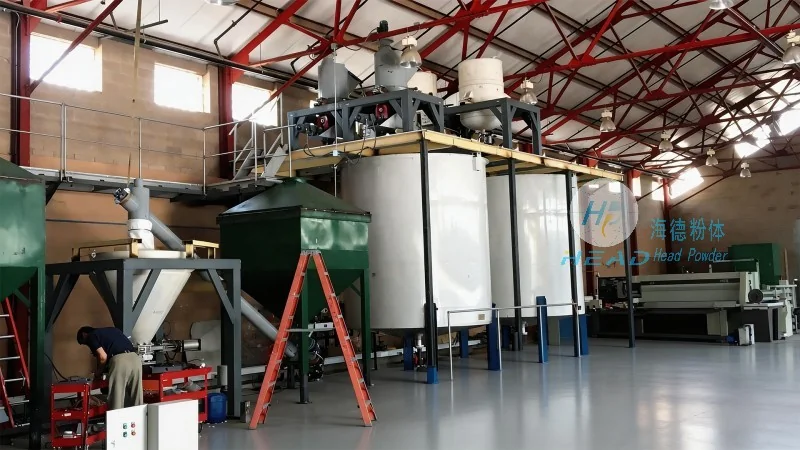
HeadPowder’s glass fiber pneumatic conveying solutions are designed with several key features that set them apart in the industry. These include robust construction, corrosion resistance, and the ability to handle high-temperature materials. The systems are also equipped with advanced control mechanisms that allow for precise regulation of air flow and material transport. Additionally, the use of glass fiber reduces the risk of contamination, making it suitable for applications in pharmaceuticals, food processing, and other industries where product purity is paramount.
Real-World Applications and Case Studies
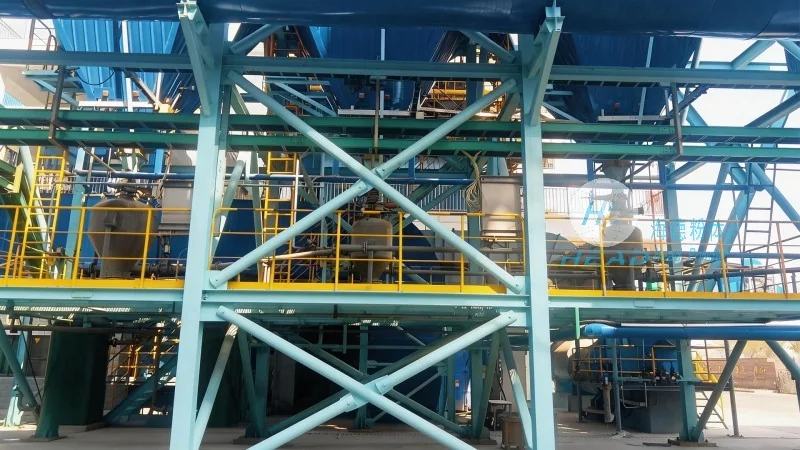
Glass fiber pneumatic conveying systems are widely used in various industries. For instance, in the glass manufacturing industry, these systems efficiently transport raw materials like sand and soda ash. In the chemical industry, they handle powders and granules with high precision. HeadPowder has successfully implemented such systems for clients in China, leveraging their deep understanding of local material handling needs and regulatory requirements. These applications demonstrate the versatility and reliability of glass fiber pneumatic conveying solutions.
Conclusion: Enhancing Material Handling with Glass Fiber Pneumatic Conveying
As businesses seek more efficient and cost-effective material handling solutions, glass fiber pneumatic conveying emerges as a superior choice. HeadPowder, with its expertise and commitment to quality, provides tailored solutions that meet the specific needs of each client. By leveraging the advantages of glass fiber and optimized air flow, companies can improve their operational efficiency, reduce costs, and enhance product quality. The future of material handling lies in innovative systems like these, and HeadPowder is at the forefront of this technological advancement.