

Classification and Composition of Clay Ash Pneumatic Conveying Systems
Clay ash, a byproduct commonly generated in industrial processes such as power plant operations, requires efficient and reliable handling for storage, transport, and disposal. Pneumatic conveying systems have emerged as a preferred solution for managing clay ash due to their ability to transport bulk materials through air pressure without the need for mechanical components like belts or buckets. This article provides an overview of the classification and key components of clay ash pneumatic conveying systems, highlighting the technological advancements and practical applications in industrial settings.
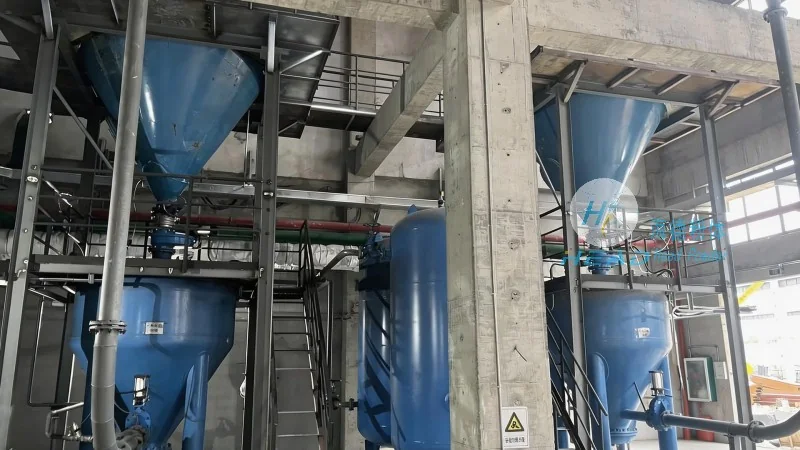
Classification of Pneumatic Conveying Systems
Pneumatic conveying systems are broadly categorized into two main types based on the method of air flow and material transport: suction (or vacuum) systems and pressure systems. Each type has distinct characteristics that make it suitable for different operational scenarios and material properties.
Suction systems operate by creating a negative pressure in the system to draw material from a source into the conveying line. These systems are typically used for short to medium distances and are effective for handling materials that are not overly abrasive or sticky. The primary advantage of suction systems is their ability to handle materials from multiple sources simultaneously, making them ideal for applications where material is collected from various points before being transported to a central location.
Pressure systems, on the other hand, utilize positive pressure to push material through the conveying line. These systems are more suitable for longer distances and higher material throughput, as they can handle more abrasive or sticky materials without significant wear on the system components. Pressure systems are often preferred in industrial settings where the material needs to be transported over considerable distances or where the system must operate continuously without interruption.
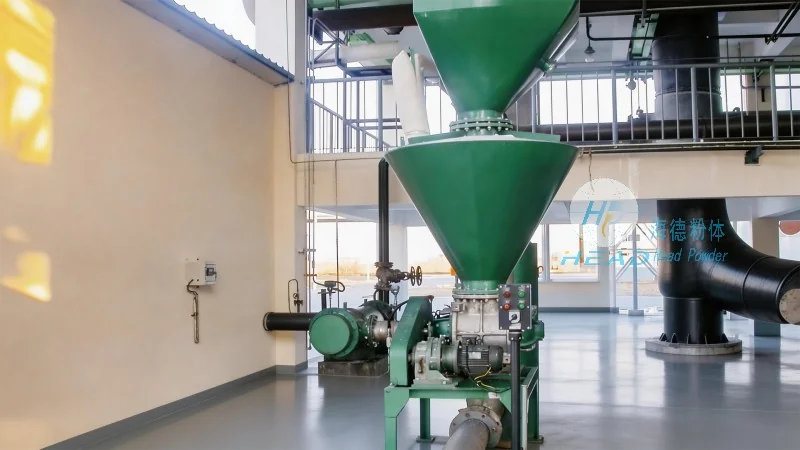
Key Components of Clay Ash Pneumatic Conveying Systems
The effectiveness of a clay ash pneumatic conveying system depends on the integration of several critical components, each designed to perform a specific function in the material handling process. The main components include the material feed system, air supply unit, conveying pipeline, separation and collection equipment, and control mechanisms.
The material feed system is responsible for introducing clay ash into the conveying line. This component may include a hopper or a rotary valve that ensures a consistent flow of material into the system. The design of the feed system is crucial to prevent blockages and ensure that the material is introduced at the correct velocity to maintain system efficiency.
The air supply unit provides the necessary pressure or vacuum to move the material through the pipeline. In suction systems, a vacuum pump generates the negative pressure, while in pressure systems, a blower or compressor supplies the positive pressure. The air supply unit must be capable of delivering the required air volume and pressure to handle the specific characteristics of clay ash, such as its density and particle size.
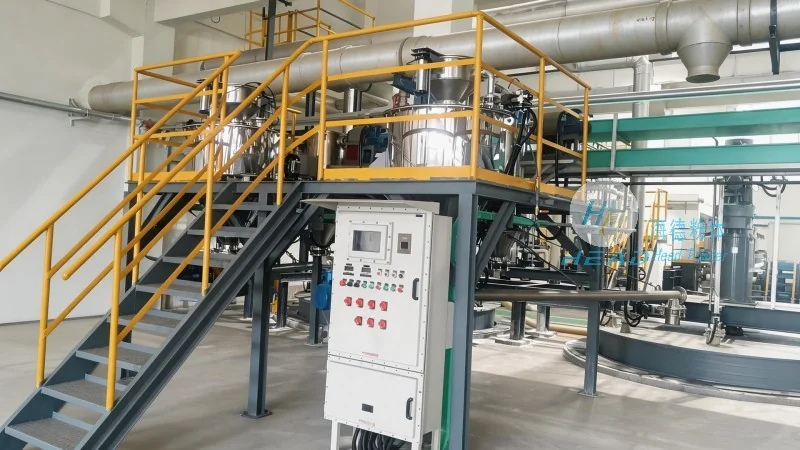
The conveying pipeline is the main channel through which clay ash travels. The material is suspended in the air stream and transported through the pipeline. The choice of pipeline material is critical, as clay ash can be abrasive and may contain moisture, which can lead to corrosion or blockages. Common materials for the pipeline include stainless steel, plastic, or coated metal, selected based on the specific properties of the clay ash and the operating conditions.
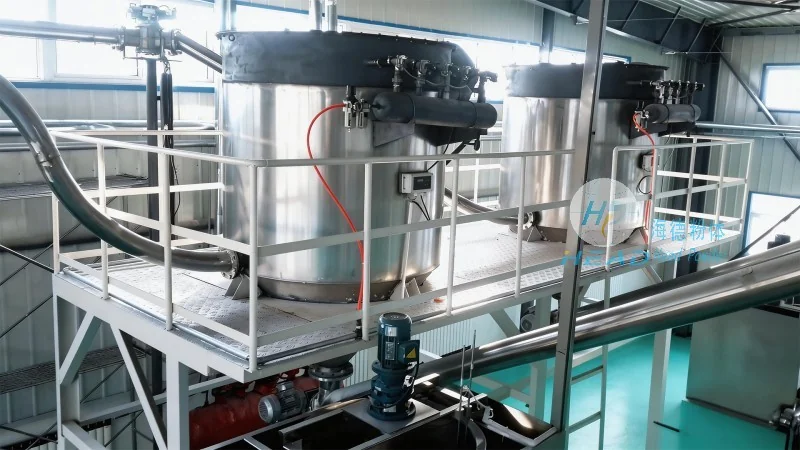
The separation and collection equipment is responsible for removing the clay ash from the air stream and collecting it in a designated container. This component typically includes a cyclone separator or a baghouse filter. The cyclone separator uses centrifugal force to separate the material from the air, while the baghouse filter captures fine particles using fabric bags. The design of the separator must be efficient to minimize material loss and ensure that the air is clean before being released back into the environment.
Control mechanisms are essential for monitoring and regulating the operation of the pneumatic conveying system. These may include pressure sensors, flow meters, and control valves that adjust the air supply or material feed as needed. The control system helps maintain optimal operating conditions, preventing overloading or underloading of the system and ensuring consistent performance.
Application Considerations for Clay Ash Handling
When implementing a clay ash pneumatic conveying system, several factors must be considered to ensure optimal performance and longevity. The first consideration is the material characteristics of the clay ash, including its particle size distribution, moisture content, and abrasiveness. These factors influence the choice of system type (suction or pressure) and the design of the components, such as the feed system and pipeline material.
Another important consideration is the distance and throughput requirements. For short distances and low throughput, a suction system may be sufficient, while for longer distances or higher throughput, a pressure system is more appropriate. The system design must also account for the operating environment, including ambient temperature and the presence of corrosive gases, which may affect the choice of materials for the components.
Regular maintenance is crucial for the long-term operation of a pneumatic conveying system. This includes cleaning the pipeline and separator, checking for wear on components, and ensuring that the air supply unit is functioning correctly. Proper maintenance helps prevent system failures, reduces downtime, and extends the lifespan of the equipment.
Conclusion
Clay ash pneumatic conveying systems offer an efficient and reliable solution for handling bulk materials in industrial applications. By understanding the classification of these systems and the key components involved, industries can select the appropriate system for their specific needs. The integration of advanced materials and control technologies has further enhanced the performance and durability of these systems, making them a preferred choice for clay ash management. As industrial processes continue to evolve, the demand for efficient material handling solutions will remain high, and pneumatic conveying systems will continue to play a vital role in the management of clay ash and other bulk materials.