

Classification and Composition of Iron Ore Fines Pneumatic Conveying Systems
For clients seeking efficient and reliable solutions for transporting iron ore fines, understanding the classification and composition of pneumatic conveying systems is crucial. This article provides an in-depth look at the key aspects of such systems, presented by Shandong HeadPowder Engineering Co., Ltd., a leading provider in the field with a strong presence in China.
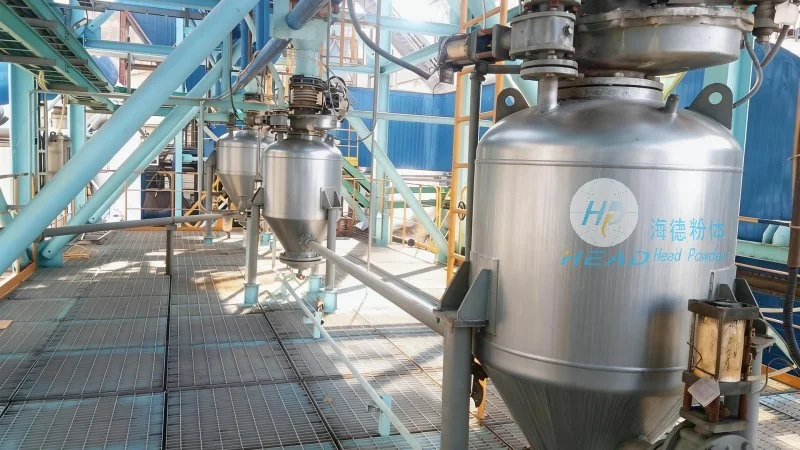
Overview of Iron Ore Fines Pneumatic Conveying Systems
Iron ore fines, characterized by their fine particle size and high moisture content, present unique challenges in material handling. Pneumatic conveying systems offer an effective solution by utilizing air or gas to transport these materials over long distances with minimal loss and contamination. The systems are designed to handle the specific properties of iron ore fines, ensuring optimal performance and durability.
Classification of Pneumatic Conveying Systems for Iron Ore Fines
Based on the method of air flow and material transport, iron ore fines pneumatic conveying systems can be classified into several types. The primary categories include dilute phase systems, where the material is suspended in a high-velocity air stream, and dense phase systems, which use lower air velocities to move material in a more concentrated form. Each type has distinct advantages and is suitable for different operational requirements, such as distance, material characteristics, and system efficiency.
Dense Phase Pneumatic Conveying Systems
Dense phase systems are particularly effective for transporting iron ore fines over medium to long distances while maintaining product integrity. These systems operate at lower air velocities, which reduces the risk of particle degradation and ensures a more controlled flow. The design typically involves a positive displacement blower or compressor that provides the necessary pressure to move the material through the pipeline. Dense phase systems are often preferred in applications where the material is sensitive to high-velocity air or where a more gentle handling approach is required.
Dilute Phase Pneumatic Conveying Systems
Dilute phase systems are suitable for shorter distances and applications where high throughput is needed. In these systems, the iron ore fines are suspended in a high-velocity air stream, allowing for rapid and efficient transport. The air velocity is typically much higher than in dense phase systems, which enables the material to be carried over longer distances with less energy consumption. Dilute phase systems are commonly used in industries where speed and capacity are critical, such as in mining and processing facilities.
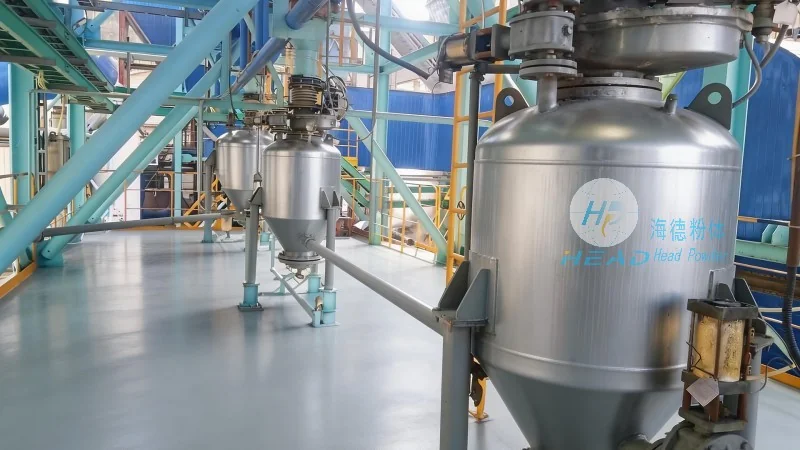
Key Components of Iron Ore Fines Pneumatic Conveying Systems
The effective operation of iron ore fines pneumatic conveying systems relies on several critical components, each designed to work in harmony to ensure optimal performance. The main components include the material feed system, air supply unit, conveying pipeline, and material discharge equipment. Each component plays a vital role in the overall system functionality.
Material Feed System
The material feed system is responsible for introducing iron ore fines into the conveying system. This component typically includes a hopper or feeder that controls the flow rate of the material, ensuring a consistent and controlled feed. The design of the feed system is crucial to prevent blockages and maintain a steady flow, which is essential for the efficient operation of the entire system. The feed system may also include features such as a rotary valve or a screw feeder to regulate the material input.
Air Supply Unit
The air supply unit provides the necessary air or gas to transport the iron ore fines through the pipeline. This component can be a positive displacement blower, a rotary lobe blower, or a centrifugal fan, depending on the system requirements. The air supply unit is designed to generate the required pressure and flow rate to move the material efficiently. The choice of air supply equipment depends on factors such as the system's capacity, the distance to be covered, and the material's characteristics. For iron ore fines, a positive displacement blower is often preferred due to its ability to maintain consistent pressure and flow, even with varying material loads.
Conveying Pipeline
The conveying pipeline is the main channel through which the iron ore fines are transported. The pipeline is typically made of materials such as stainless steel or PVC, which are resistant to corrosion and wear caused by the iron ore fines. The design of the pipeline includes features such as bends, elbows, and expansion joints to accommodate changes in direction and pressure. The pipeline diameter and length are carefully selected to ensure that the material is conveyed at the optimal velocity, minimizing the risk of particle deposition and system blockages. The pipeline may also include cleaning mechanisms, such as air purge systems, to prevent material buildup and maintain system efficiency.
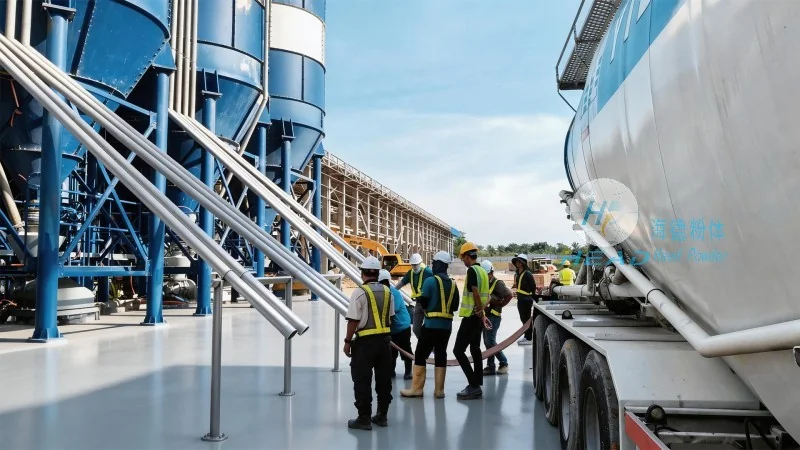
Material Discharge Equipment
The material discharge equipment is responsible for removing the iron ore fines from the conveying system at the destination point. This component typically includes a receiver or a silo that collects the material and may include a rotary valve or a gate valve to control the discharge rate. The design of the discharge equipment is crucial to prevent dust emissions and ensure a clean and controlled discharge. The equipment may also include features such as a dust collection system to capture any particles that escape during the discharge process, ensuring compliance with environmental regulations.
System Integration and Control
Modern iron ore fines pneumatic conveying systems often incorporate advanced control systems to optimize performance and ensure safety. These systems may include sensors to monitor pressure, flow rate, and material level, as well as control panels to adjust the system parameters in real-time. The integration of automation and control technology allows for precise management of the conveying process, reducing downtime and improving overall efficiency. The control systems may also include safety features, such as emergency shut-off valves, to prevent accidents and protect personnel and equipment.
Applications and Benefits
Iron ore fines pneumatic conveying systems are widely used in various industries, including mining, steel production, and material processing. The systems offer several benefits, including high efficiency, low maintenance, and the ability to transport materials over long distances without the need for intermediate storage or handling. The systems are also designed to handle a wide range of material characteristics, making them versatile and adaptable to different operational needs. By using pneumatic conveying systems, companies can improve their production processes, reduce costs, and enhance overall operational performance.
Conclusion
In conclusion, the classification and composition of iron ore fines pneumatic conveying systems are critical factors in ensuring efficient and reliable material handling. The systems, provided by Shandong HeadPowder Engineering Co., Ltd., offer a comprehensive solution for transporting iron ore fines, with various types and components designed to meet specific operational requirements. By understanding the key aspects of these systems, clients can make informed decisions and select the most suitable solution for their needs. The continued development and advancement of pneumatic conveying technology will further enhance the efficiency and effectiveness of iron ore fines transportation, contributing to the growth and success of the industry.