

Classification and Composition of Chromic Oxide Pneumatic Conveying Systems
Chromic oxide, a critical industrial material widely used in pigments, ceramics, and chemical synthesis, requires efficient and reliable transportation methods to ensure consistent quality and minimize material loss. Pneumatic conveying systems have emerged as a preferred solution for handling chromic oxide due to their ability to transport powders in a closed environment, reducing dust exposure and enhancing process safety. This article provides an in-depth overview of the classification and essential components of chromic oxide pneumatic conveying systems, highlighting the technological advancements and practical applications that make them indispensable in modern industrial operations.
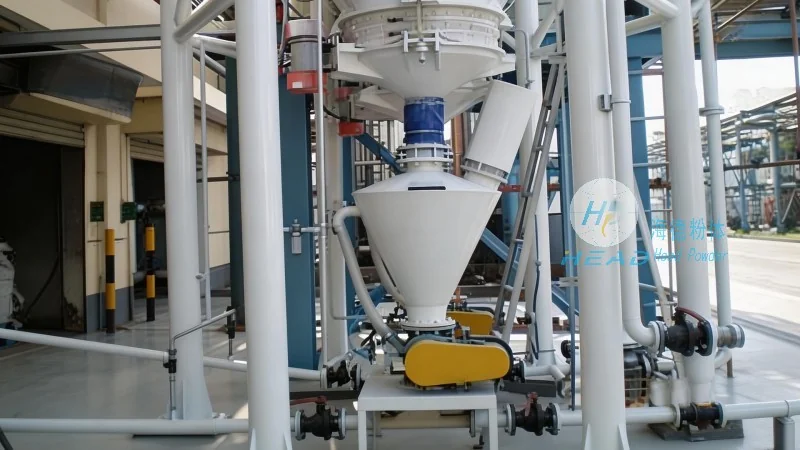
Classification of Chromic Oxide Pneumatic Conveying Systems
Chromic oxide pneumatic conveying systems are typically classified based on the pressure differential between the conveying medium (air or gas) and the ambient environment. The primary categories include positive pressure systems, negative pressure systems, and hybrid systems, each tailored to specific material characteristics and operational requirements.
Positive pressure systems operate by blowing air or gas into the conveying line, creating a pressure higher than the surrounding atmosphere. This method is ideal for handling fine powders like chromic oxide, as it minimizes particle degradation and ensures consistent flow rates. Negative pressure systems, conversely, draw material into the system using suction, which is particularly suitable for applications where dust control is paramount or where the material is sensitive to high pressures. Hybrid systems combine elements of both positive and negative pressure, offering flexibility in handling a wide range of particle sizes and moisture content.
Another classification approach involves the type of equipment used for material feeding and discharge. For instance, rotary valve feeders, screw conveyors, and pressure vessels are commonly employed to control the flow of chromic oxide. The choice of feeding mechanism depends on the material's flowability, bulk density, and the required discharge accuracy. Similarly, separation equipment such as cyclones, bag filters, and electrostatic precipitators are categorized based on their design and efficiency in capturing fine particles, ensuring compliance with environmental regulations and maintaining product purity.
Key Components of Chromic Oxide Pneumatic Conveying Systems
The effective operation of a chromic oxide pneumatic conveying system relies on a coordinated set of components, each playing a critical role in the material handling process. The primary components include the material feeding system, conveying pipelines, air or gas supply units, separation and filtration systems, and control mechanisms.
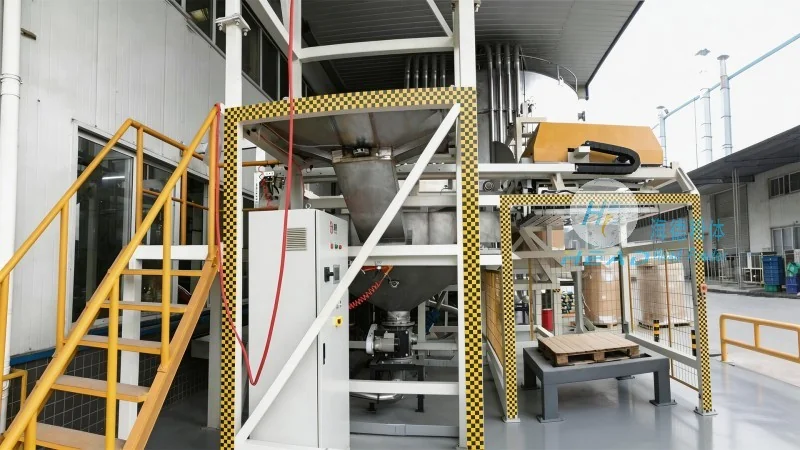
The material feeding system is responsible for introducing chromic oxide into the conveying line. Rotary airlock valves, also known as star valves, are widely used due to their ability to regulate flow rates and prevent backflow. These devices are designed with a rotating star-shaped impeller that opens and closes to control the amount of material discharged. For bulk handling, screw feeders or pressure vessels may be employed, especially when dealing with larger quantities of chromic oxide. The selection of a feeding device is crucial as it directly impacts the system's efficiency and the uniformity of the conveyed material.
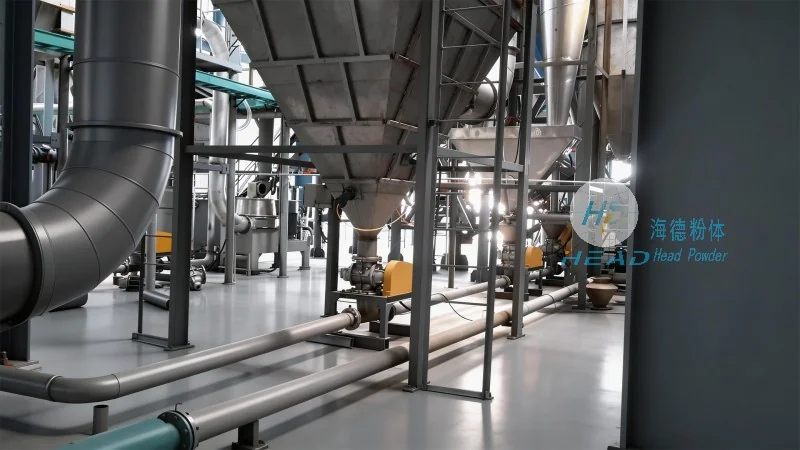
The conveying pipelines form the backbone of the system, transporting chromic oxide from the feeding point to the discharge or separation unit. These pipelines are typically made of stainless steel or other corrosion-resistant materials to withstand the chemical properties of chromic oxide and prevent material degradation. The design of the pipelines, including bends, elbows, and straight sections, is optimized to minimize pressure losses and maintain consistent flow velocities. Proper pipeline sizing and layout are essential to avoid blockages and ensure smooth material transport.
The air or gas supply unit provides the necessary pressure or suction to move the chromic oxide through the system. Compressors or vacuum pumps generate the required air flow, which is then filtered to remove contaminants that could damage the system or contaminate the material. The air supply is often regulated using pressure regulators or vacuum controllers to maintain stable operating conditions. The choice of air or gas depends on the material's properties; for example, air is commonly used for positive pressure systems, while a gas like nitrogen may be preferred for applications requiring inert environments.
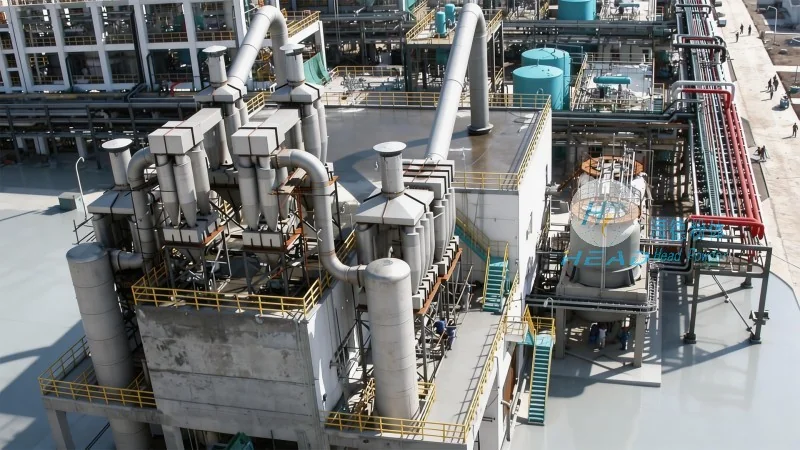
Separation and filtration systems are critical for maintaining product quality and environmental compliance. Cyclones are commonly used to separate larger particles from the air stream, while bag filters or electrostatic precipitators capture fine dust particles. These systems ensure that only clean air is released into the environment and that the chromic oxide is free from contaminants. The efficiency of these components is measured by their collection efficiency, which must meet or exceed regulatory standards for industrial emissions.
Control mechanisms are essential for monitoring and managing the system's performance. Sensors and transmitters are used to measure pressure, flow rate, and temperature, providing real-time data to operators. Control panels integrate these measurements with automated controls, allowing for adjustments to be made quickly in response to changes in material feed or system conditions. This level of automation enhances system reliability and reduces the risk of operational errors, ensuring consistent performance over time.
Applications and Benefits of Chromic Oxide Pneumatic Conveying Systems
Chromic oxide pneumatic conveying systems are widely used in various industrial sectors, including the chemical, ceramics, and pigment industries. In the chemical industry, these systems are employed to transport chromic oxide for the production of dyes and pigments, where precise material handling is critical to maintain color consistency. In the ceramics industry, chromic oxide is used as a pigment in glazes and coatings, and pneumatic conveying ensures that the material is delivered to the production line without contamination or degradation.
The benefits of using pneumatic conveying systems for chromic oxide are multifaceted. Firstly, they provide a closed system that reduces dust exposure, improving workplace safety and compliance with occupational health regulations. Secondly, the closed environment minimizes material loss, as compared to traditional bucket elevators or belt conveyors, which can result in significant spillage. Thirdly, pneumatic systems offer flexibility in system layout, allowing for horizontal, vertical, or mixed-direction transport, which is advantageous in facilities with limited space or complex production layouts.
Another key benefit is the ability to handle a wide range of particle sizes and moisture content. Chromic oxide can vary in particle size from fine powders to coarse granules, and pneumatic systems are designed to accommodate these variations without compromising performance. Additionally, the systems can be adapted to handle materials with different moisture levels, preventing caking or blockages that could occur in other conveying methods.
HeadPowder Engineering: Expertise in Chromic Oxide Pneumatic Conveying Solutions
Shandong HeadPowder Engineering Co., Ltd., a leading provider of industrial material handling solutions, specializes in designing and manufacturing chromic oxide pneumatic conveying systems tailored to the unique needs of clients. With a strong focus on innovation and quality, HeadPowder has developed state-of-the-art systems that combine efficiency, reliability, and environmental compliance. The company's expertise lies in understanding the specific challenges associated with handling chromic oxide, such as its corrosive properties and fine particle size, and addressing them through customized solutions.
HeadPowder's team of engineers and technicians works closely with clients to assess their operational requirements, material characteristics, and budget constraints. This collaborative approach ensures that the final system is optimized for performance and cost-effectiveness. The company's products are manufactured using high-quality materials and advanced manufacturing techniques, guaranteeing durability and long-term reliability. Additionally, HeadPowder provides comprehensive after-sales support, including maintenance services, spare parts supply, and technical training, to ensure that clients can maximize the lifespan and efficiency of their conveying systems.
HeadPowder is committed to providing sustainable and environmentally friendly solutions, which is reflected in the design of its pneumatic conveying systems. By minimizing dust emissions and material loss, the company helps clients reduce their environmental footprint while maintaining operational efficiency. The company's facilities are located in Shandong, China, where it leverages local resources and expertise to deliver high-quality products and services to a global market.