

Classification and Composition of Magnesium Sulfate Pneumatic Conveying Systems
For industrial applications involving the handling of magnesium sulfate, efficient and reliable material transport is crucial. The magnesium sulfate pneumatic conveying system, a specialized solution for bulk material handling, plays a vital role in ensuring smooth operations across various industries. This article provides an in-depth look at the classification and composition of such systems, highlighting the key components and their functions.
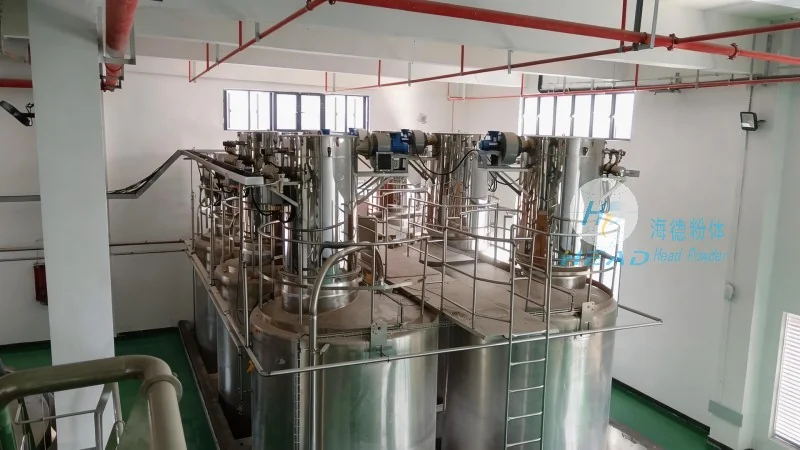
Overview of Magnesium Sulfate Pneumatic Conveying Systems
Magnesium sulfate, commonly known as Epsom salt, is widely used in agriculture, pharmaceuticals, and chemical manufacturing. The pneumatic conveying system is designed to transport this material from storage to processing units without the need for mechanical components like conveyor belts or buckets. This method offers advantages such as reduced contamination, lower maintenance costs, and improved safety compared to traditional methods.
Classification of Pneumatic Conveying Systems
Pneumatic conveying systems for magnesium sulfate can be broadly classified into two main categories: dilute-phase and dense-phase systems. The choice between these depends on the material's properties, the distance to be conveyed, and the required flow rate.
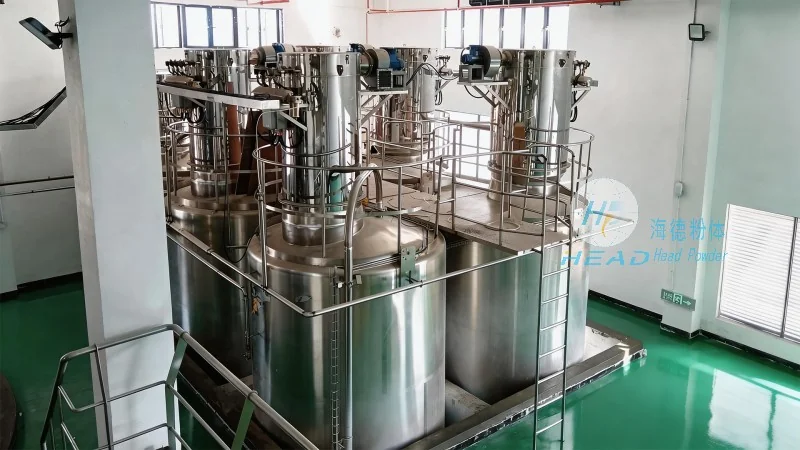
Dilute-phase systems operate by suspending the material particles in a high-velocity air stream. This method is suitable for short to medium distances and materials with low dust content. The system typically uses a positive displacement blower or a high-pressure compressor to generate the necessary airflow. In contrast, dense-phase systems transport the material in a slurry-like state, where the particles are densely packed and move at a slower velocity. This approach is ideal for longer distances and materials that are more prone to degradation or caking.
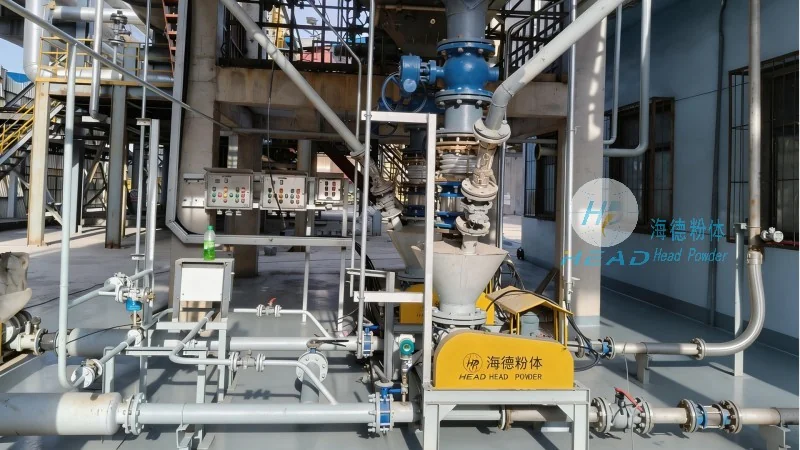
Key Components of the Magnesium Sulfate Pneumatic Conveying System
The magnesium sulfate pneumatic conveying system consists of several critical components that work in tandem to ensure efficient material transport. These components include:
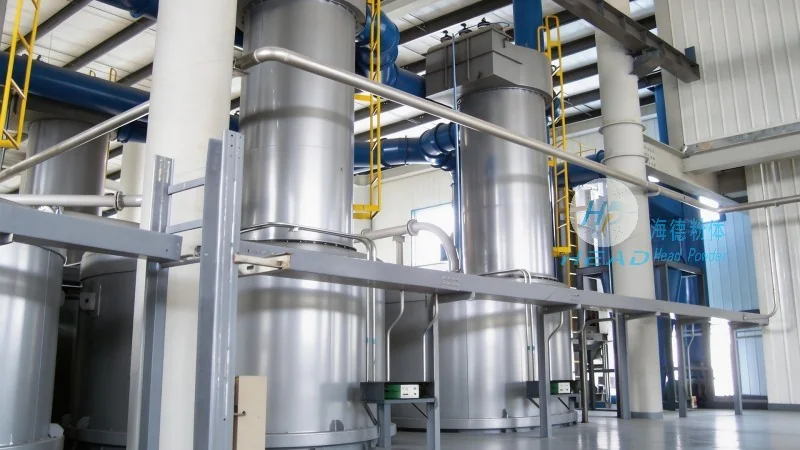
- Feeder: The feeder is responsible for feeding the magnesium sulfate into the system at a controlled rate. It ensures a consistent flow of material, preventing blockages and maintaining system efficiency. The type of feeder, such as a rotary valve or a screw feeder, depends on the material's characteristics and the system's requirements.
- Conveying Pipe: The conveying pipe is the main channel through which the magnesium sulfate and air travel. It is typically made of corrosion-resistant materials like stainless steel or polyethylene to withstand the chemical properties of magnesium sulfate. The pipe diameter and length are carefully designed to minimize pressure drop and ensure smooth flow.
- Air Supply Unit: The air supply unit provides the necessary air pressure and volume to move the material through the pipe. It can be a positive displacement blower, a rotary lobe blower, or a high-pressure compressor, depending on the system's capacity and operating conditions. The unit is equipped with filters and regulators to maintain air quality and pressure stability.
- Receiver: The receiver is the final destination where the magnesium sulfate is deposited. It is designed to handle the material's discharge and prevent spillage. The receiver may include a hopper or a silo to store the material before it is used in the next process step.
- Control System: The control system monitors and regulates the operation of the pneumatic conveying system. It includes sensors for pressure, flow, and level, as well as control valves and actuators. The system ensures that the conveying process is optimized, reducing energy consumption and improving overall performance.
Application and Benefits in Industrial Settings
The magnesium sulfate pneumatic conveying system is widely used in various industrial applications due to its efficiency and reliability. In the agricultural sector, it is used to transport magnesium sulfate fertilizers to farms, ensuring even distribution and reducing labor costs. In the pharmaceutical industry, the system is employed to handle raw materials for magnesium sulfate-based medications, maintaining product purity and preventing contamination. Additionally, in chemical manufacturing, the system facilitates the transport of magnesium sulfate in production lines, enhancing process efficiency and safety.
One of the key benefits of this system is its ability to handle abrasive materials without causing wear and tear on the equipment. The pneumatic conveying method minimizes the risk of material buildup and clogging, which are common issues with mechanical conveyors. Furthermore, the system operates in a closed environment, reducing dust emissions and improving workplace safety. This makes it an environmentally friendly and cost-effective solution for bulk material handling.