

Analysis of Pneumatic Conveying Systems for Seasoning Powders
For businesses in the food processing industry, particularly those handling powdered seasonings, efficient and reliable material handling solutions are critical to maintaining production efficiency and product quality. Pneumatic conveying systems have emerged as a preferred method for transporting these delicate and often hygroscopic materials. This article provides an in-depth analysis of such systems, focusing on their design, functionality, and application in the seasoning industry.
Pneumatic Conveying: An Overview
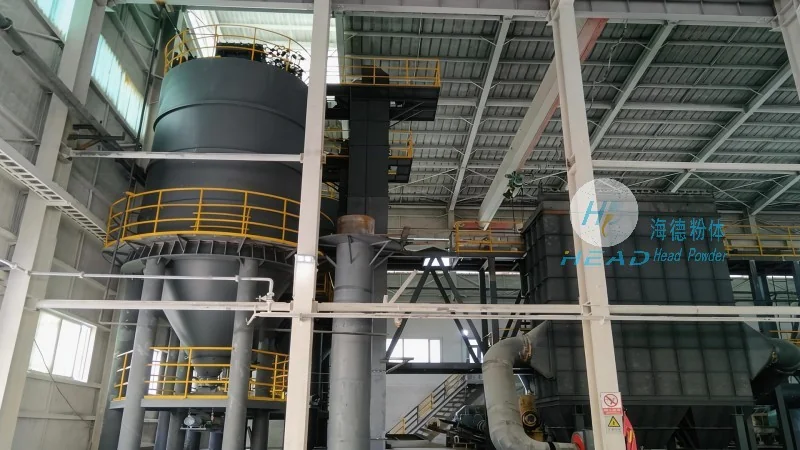
Pneumatic conveying systems utilize air or other gases to transport bulk materials through a pipeline network. Unlike traditional mechanical conveyors, these systems offer advantages such as reduced product contamination, lower maintenance requirements, and the ability to handle materials that are difficult to move with conventional equipment. The core components of a pneumatic conveying system typically include a material hopper, a feeder, a conveying line, and a receiver. The system operates by drawing material from the hopper, feeding it into the pipeline, and then transporting it to the desired destination using pressurized or vacuum air flow.
Key Components of Seasoning Powder Pneumatic Conveying Systems
The effectiveness of a pneumatic conveying system for seasoning powders depends on several key components that are specifically designed to handle the unique properties of these materials. These components include:
1. Material Hopper and Feeder
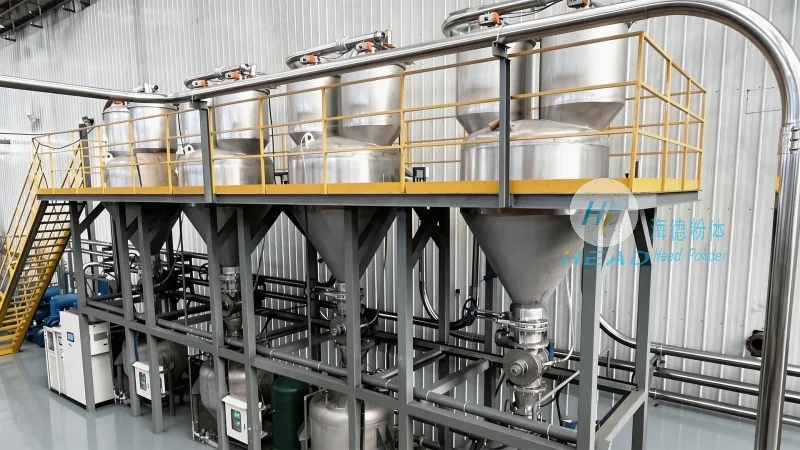
The material hopper serves as the storage vessel for the seasoning powder. It is typically designed with a conical or rectangular shape to facilitate smooth material flow. The feeder, often a rotary valve or a vibratory feeder, is responsible for controlling the flow rate of the powder into the conveying line. For seasoning powders, which can be prone to bridging or caking, a hopper with a sloped bottom and an agitator may be used to ensure consistent material discharge. The feeder must be capable of handling the material's density and flow characteristics without causing excessive pressure drops or product degradation.
2. Conveying Line and Pipeline Design
The conveying line is the central part of the system, consisting of stainless steel or other corrosion-resistant materials to prevent contamination and ensure durability. The pipeline is designed with appropriate bends and elbows to minimize pressure losses and maintain the material's flow. For high-velocity systems, the line is often equipped with a venturi or a pulse jet system to enhance material transport. The choice of pipeline diameter and length is critical, as it directly impacts the system's efficiency and energy consumption. Proper sealing of the pipeline is also essential to prevent air leakage and maintain the system's performance.
3. Air Supply and Control System
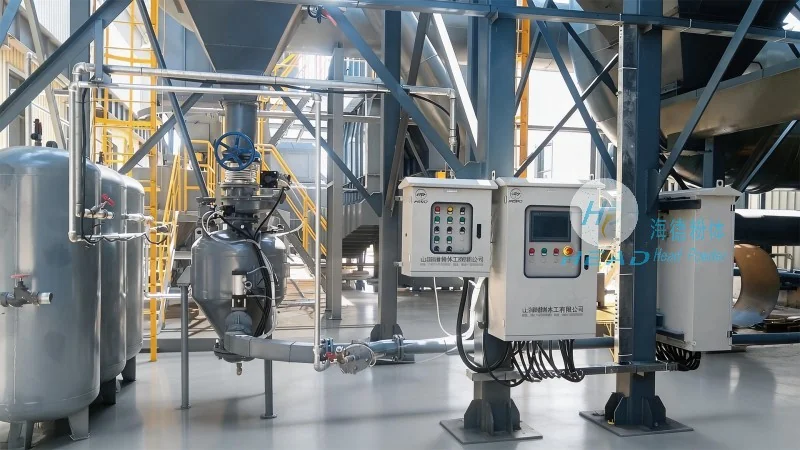
The air supply system provides the necessary pressure or vacuum to move the powder through the pipeline. This can be achieved using a positive displacement blower or a vacuum pump, depending on the system's design. The control system manages the air flow, ensuring that the pressure or vacuum levels are maintained within optimal ranges. For seasoning powders, which are sensitive to moisture and temperature, the air supply may be filtered and dried to prevent material degradation. The system may also include a pressure regulator and a flow meter to monitor and adjust the air volume as needed.
4. Receiver and Discharge Equipment
The receiver is the final component of the conveying system, where the seasoning powder is deposited. It is typically a hopper or a storage tank designed to hold the material until it is further processed or packaged. The discharge equipment, such as a rotary valve or a screw conveyor, controls the flow of the powder from the receiver to the next stage of the production line. The receiver and discharge system must be designed to prevent product buildup and ensure a smooth transition to downstream equipment.
Benefits of Using Pneumatic Conveying Systems for Seasoning Powders
Implementing a pneumatic conveying system for seasoning powders offers several significant benefits that enhance operational efficiency and product quality. These benefits include:
1. Reduced Product Contamination
Unlike mechanical conveyors, which may introduce metal particles or other contaminants into the powder, pneumatic systems use enclosed pipelines. This ensures that the seasoning powder remains free from external contaminants, maintaining its purity and meeting stringent food safety standards. The use of stainless steel and other non-reactive materials further minimizes the risk of chemical reactions or cross-contamination.
2. Improved Product Quality and Consistency
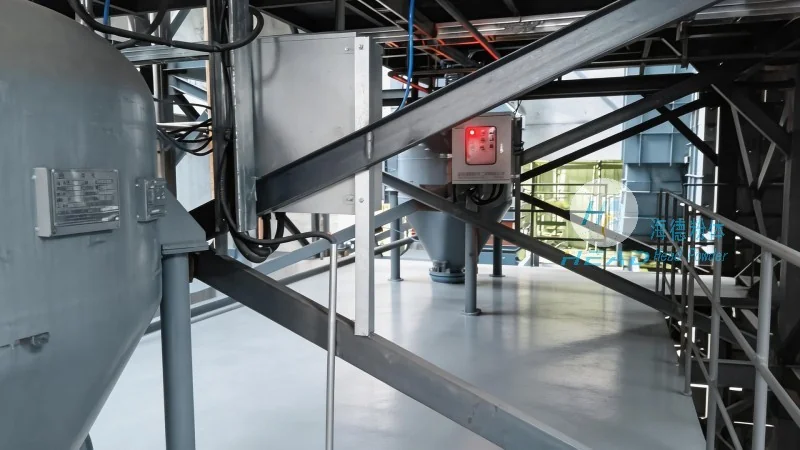
Pneumatic conveying systems are gentle on the material, preventing breakage or agglomeration of the seasoning particles. This is particularly important for delicate seasonings like spices or herbs, which can lose their flavor and aroma if subjected to excessive force or impact. The consistent flow and controlled pressure in the system ensure that the powder is transported uniformly, leading to consistent product quality across batches.
3. Enhanced Safety and Hygiene
The enclosed nature of pneumatic conveying systems reduces the risk of dust exposure and airborne contamination, improving workplace safety. The system also facilitates easier cleaning and maintenance, as the components can be disassembled and sanitized without exposing the powder to the environment. This is crucial for maintaining compliance with food safety regulations and ensuring a hygienic production environment.
4. Energy Efficiency and Cost Savings
Modern pneumatic conveying systems are designed to be energy-efficient, with optimized air flow and pressure control. By reducing the need for manual handling and minimizing material loss, the system can lower operational costs over time. The lower maintenance requirements compared to mechanical conveyors also contribute to long-term cost savings. Additionally, the ability to handle large volumes of powder in a single operation reduces labor costs and increases overall productivity.
Application Examples in the Seasoning Industry
Pneumatic conveying systems are widely used in various stages of the seasoning production process. For example, in a spice processing plant, the system can be used to transport ground spices from the grinding stage to the packaging line. In a seasoning blend manufacturing facility, the system can convey individual spice powders into a mixing tank to create custom blends. The flexibility of pneumatic systems allows them to be integrated into existing production lines or used as standalone solutions for specific material handling needs.
Choosing the Right Pneumatic Conveying System for Your Business
Selecting the appropriate pneumatic conveying system for handling seasoning powders requires careful consideration of several factors. These include the material's properties, such as particle size, density, and moisture content, as well as the production volume and layout of the facility. It is essential to work with a reputable engineering company that specializes in material handling solutions to ensure the system is designed and installed correctly.
Shandong HeadPowder Engineering Co., Ltd.: Your Partner in Seasoning Powder Handling
Shandong HeadPowder Engineering Co., Ltd., a leading provider of engineering solutions for the food processing industry, specializes in designing and manufacturing pneumatic conveying systems tailored to the unique needs of seasoning powder manufacturers. With years of experience in the industry, the company understands the challenges faced by businesses in handling delicate and hygroscopic materials. Their team of experts works closely with clients to develop customized solutions that optimize material flow, improve product quality, and enhance operational efficiency.
HeadPowder's pneumatic conveying systems are designed with high-quality materials and advanced technology to ensure reliability and durability. The company's commitment to quality is reflected in its adherence to international standards and rigorous testing protocols. By partnering with HeadPowder, businesses can benefit from expert guidance and support throughout the entire process, from system design and installation to maintenance and troubleshooting.
Conclusion
Pneumatic conveying systems represent a sophisticated and effective solution for transporting seasoning powders in the food processing industry. By leveraging the advantages of enclosed, air-based transport, these systems offer improved product quality, enhanced safety, and significant operational benefits. For businesses seeking to optimize their material handling processes, investing in a well-designed pneumatic conveying system is a strategic decision that can lead to long-term success and growth.