

Analysis of Quartz Sand Powder Pneumatic Conveying Systems
Quartz sand powder pneumatic conveying systems represent a critical technology in material handling, particularly for industries dealing with fine powders like quartz sand. These systems utilize air as the conveying medium to transport dry materials over long distances with efficiency and precision. The technology has evolved significantly, offering solutions that address the challenges of dust control, material degradation, and operational reliability in various industrial applications.
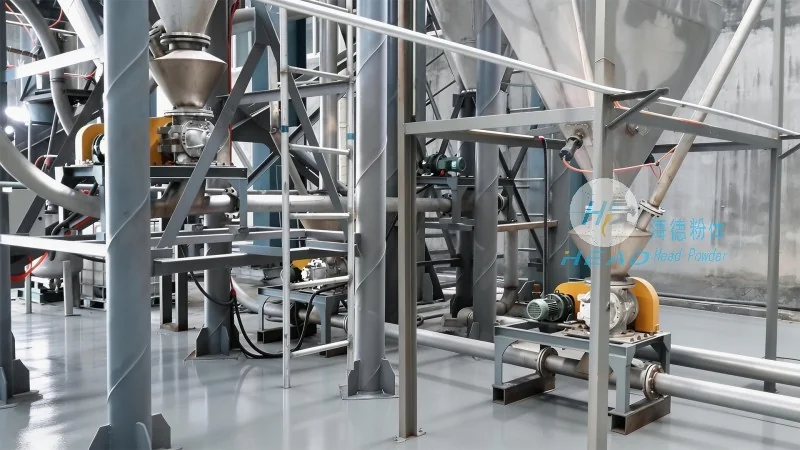
Key Components of Pneumatic Conveying Systems
The core components of a quartz sand powder pneumatic conveying system typically include a hopper for material storage, a feeder to control the flow rate, a conveying line (often with bends and filters), and a receiver for the delivered material. Each component plays a vital role in ensuring the system operates smoothly. The hopper is designed to prevent material bridging and ensure consistent feeding, while the feeder (such as a rotary valve or screw feeder) regulates the material discharge rate to match the conveying requirements. The conveying line, equipped with appropriate filters and pressure vessels, facilitates the movement of the sand particles through the system. The receiver, often a dust collector or a storage bin, collects the conveyed material, ensuring minimal loss and contamination.
Types of Pneumatic Conveying Systems
There are primarily two types of pneumatic conveying systems used for quartz sand powder: dilute phase and dense phase. Dilute phase systems operate at higher air velocities, typically moving material in a suspended state, suitable for short to medium distances. Dense phase systems, on the other hand, use lower air velocities and higher material concentrations, which is ideal for longer distances and to prevent material degradation. The choice between these systems depends on factors such as the distance to be covered, the material properties, and the required flow rate. For quartz sand, which is a relatively abrasive material, dense phase systems are often preferred to minimize wear and tear on the system components.
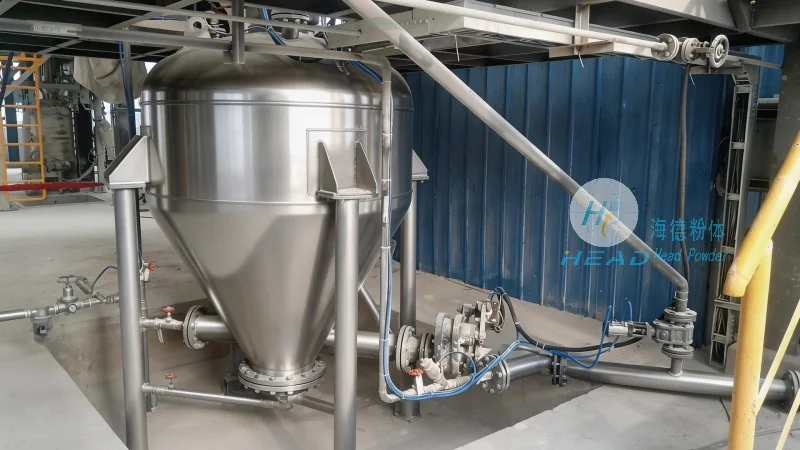
Advantages of Quartz Sand Powder Pneumatic Conveying
Implementing a pneumatic conveying system for quartz sand offers several advantages over traditional methods like bucket elevators or belt conveyors. Firstly, it significantly reduces dust generation, which is crucial for maintaining a safe and healthy working environment, especially in industries where fine powders are handled. Secondly, the system minimizes material degradation, as the sand particles are not subjected to excessive friction or impact during transport. This is particularly important for quartz sand, which is often used in applications where particle size and shape are critical, such as in glass manufacturing or as a filler in construction materials. Additionally, pneumatic conveying systems are more flexible in terms of layout, allowing for changes in the material flow path without major structural modifications. They also offer better control over the material flow rate, enabling precise dosing and processing.
Application Examples in Industries
Quartz sand powder pneumatic conveying systems find extensive applications across various industries. In the glass manufacturing sector, these systems are used to transport quartz sand from storage silos to the furnace, ensuring a consistent and controlled feed of raw material. The precision of the conveying system helps maintain the quality of the glass produced, as even minor variations in sand composition can affect the final product. In the construction industry, quartz sand is used as a filler in concrete and mortar, and pneumatic conveying systems facilitate its transport from storage facilities to mixing plants. This ensures that the sand is delivered in a dry and clean state, enhancing the quality of the construction materials. Furthermore, in the chemical and pharmaceutical industries, where quartz sand is used as an inert filler or a component in certain formulations, the dust-free and controlled nature of pneumatic conveying is essential to meet stringent quality and safety standards.
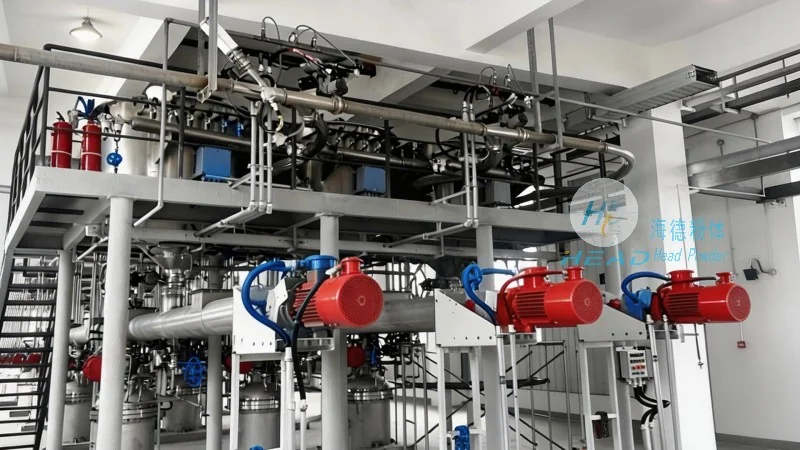
Operational Considerations and Maintenance
While pneumatic conveying systems offer numerous benefits, proper operation and maintenance are essential to ensure their longevity and efficiency. Regular cleaning of the conveying lines and filters is crucial to prevent clogging and maintain the system's performance. The hopper and feeder components should be inspected periodically for wear and tear, as quartz sand is abrasive and can cause damage over time. Additionally, the air compressor and pressure vessels require regular maintenance to ensure they operate within safe parameters. Proper training of operators is also vital to handle any issues that may arise, such as blockages or pressure fluctuations. By adhering to these operational guidelines, the system can provide reliable and consistent performance, minimizing downtime and maintenance costs.
Conclusion
Quartz sand powder pneumatic conveying systems are a sophisticated and efficient solution for handling fine powders in various industrial applications. By leveraging air as the conveying medium, these systems offer advantages such as reduced dust, minimized material degradation, and flexible layout options. The choice of system type (dilute or dense phase) depends on specific operational requirements, but both can be tailored to meet the needs of quartz sand handling. With proper design, installation, and maintenance, these systems provide a reliable and cost-effective method for transporting quartz sand, contributing to improved productivity and safety in industrial operations.