

Analysis of Lightweight Cement Pneumatic Conveying Systems
In the modern construction industry, the efficient and reliable transport of lightweight cement is crucial for optimizing production processes and ensuring project timelines. Lightweight cement, often used in applications requiring reduced weight and enhanced thermal insulation, presents unique challenges when it comes to material handling. Traditional conveying methods may struggle with the fine particle size and low bulk density of these materials, leading to issues such as clogging, uneven flow, and increased energy consumption. To address these challenges, advanced pneumatic conveying systems have emerged as a preferred solution, offering a flexible and efficient means of transporting lightweight cement from storage to processing or application points.
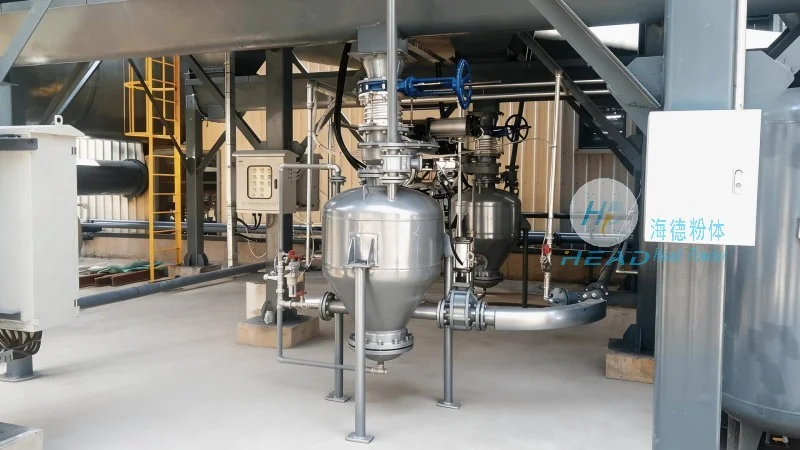
HeadPowder's Expertise in Pneumatic Conveying Technology
Shandong HeadPowder Engineering Co., Ltd., commonly known as HeadPowder, is a leading provider of specialized engineering solutions for material handling and processing. With a strong focus on innovation and customer-centric design, HeadPowder has developed a comprehensive range of pneumatic conveying systems tailored to the specific needs of the cement industry. The company's expertise lies in understanding the unique properties of lightweight cement, including its low density, fine particle size, and potential for dust generation, and designing systems that mitigate these challenges while maximizing operational efficiency.
Key Features of HeadPowder's Lightweight Cement Pneumatic Conveying Systems
HeadPowder's pneumatic conveying systems for lightweight cement are engineered with several key features that enhance performance and reliability. One of the primary advantages is the use of positive pressure or negative pressure conveying modes, depending on the specific application requirements. Positive pressure systems, which blow air through the material, are ideal for long-distance or complex route conveying, while negative pressure systems, which draw material through the system, are suitable for shorter distances or where dust containment is a priority. The systems also incorporate advanced control technologies, such as variable frequency drives (VFDs) and real-time monitoring, to optimize air flow and pressure, ensuring consistent material transport and minimizing energy waste.
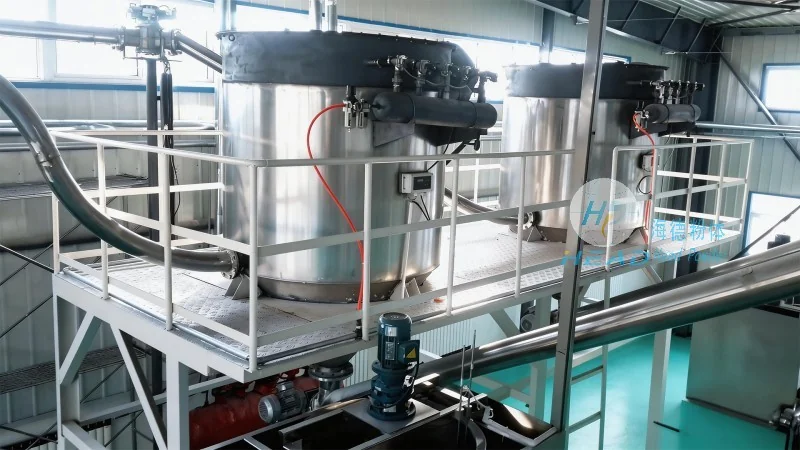
Material Handling Solutions for Diverse Application Needs
Lightweight cement is utilized in a variety of applications, including the production of lightweight concrete, thermal insulation panels, and decorative building materials. Each of these applications may require different conveying parameters, such as flow rates, pressure levels, and particle size handling capabilities. HeadPowder's systems are designed to accommodate these diverse needs, with customizable components that can be adjusted to suit specific project requirements. For example, in the production of lightweight concrete, the system may need to handle large volumes of material at high flow rates, while in the manufacturing of insulation panels, the focus may be on precise dosing and low dust generation. The company's engineers work closely with clients to assess their unique application needs and develop tailored solutions that ensure optimal performance and cost-effectiveness.
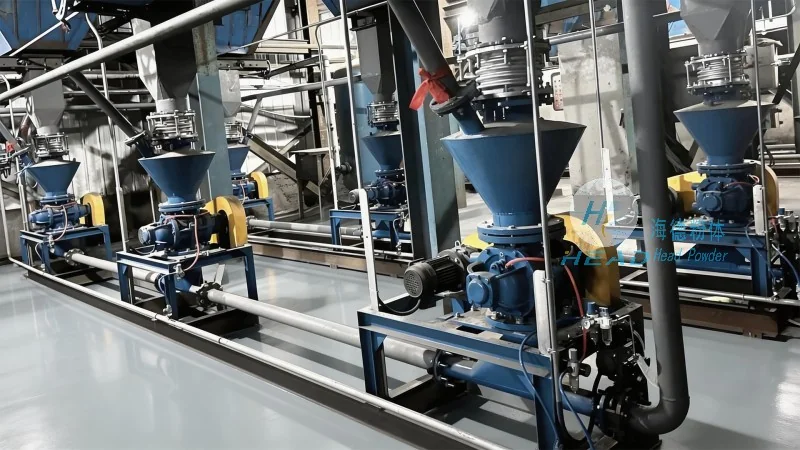
Advantages of Pneumatic Conveying Over Traditional Methods
Compared to traditional methods like belt conveyors or screw conveyors, pneumatic conveying offers several distinct advantages when handling lightweight cement. One of the most significant benefits is the ability to transport material over long distances without the need for multiple transfer points or complex infrastructure. This reduces installation costs and simplifies the overall system layout. Additionally, pneumatic systems are highly flexible, allowing for easy reconfiguration or expansion as project requirements change. The enclosed nature of the system also helps to contain dust and prevent environmental contamination, which is particularly important for lightweight cement, which can be a source of fine particulate matter. Furthermore, the systems are generally more energy-efficient than traditional methods, as they can optimize air flow to match the material's properties, reducing unnecessary energy consumption.
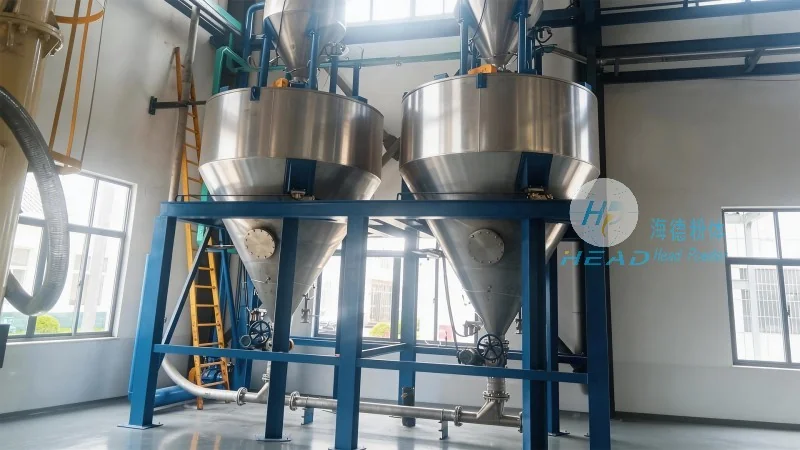
Customization and After-Sales Support from HeadPowder
HeadPowder understands that each project has unique requirements, and therefore, the company offers comprehensive customization options for its pneumatic conveying systems. From the selection of appropriate air compressors and filter systems to the design of the conveying line layout, every aspect of the system can be tailored to meet specific operational needs. The company's team of experienced engineers works closely with clients throughout the design and installation process, ensuring that the final system meets all performance and safety standards. After the system is installed, HeadPowder provides ongoing support, including regular maintenance services, technical assistance, and spare parts availability, to ensure the system operates at peak efficiency and longevity. This commitment to customer support has made HeadPowder a trusted partner for many clients in the construction and cement industries.
Conclusion: Enhancing Efficiency and Sustainability in Lightweight Cement Handling
Lightweight cement pneumatic conveying systems, as provided by HeadPowder, represent a significant advancement in material handling technology for the construction industry. By addressing the unique challenges of lightweight cement, these systems offer improved efficiency, reduced energy consumption, and enhanced operational flexibility. The combination of advanced engineering, customized solutions, and comprehensive support from HeadPowder ensures that clients can achieve optimal performance and sustainability in their material handling processes. With its headquarters in Shandong, China, HeadPowder continues to innovate and provide high-quality solutions that meet the evolving needs of the cement industry, helping to drive progress and efficiency in modern construction projects.