

Analysis of Sodium Hydroxide Powder Pneumatic Conveying Systems
HeadPowder, a leading engineering firm based in Shandong, China, specializes in the design and implementation of advanced pneumatic conveying systems for sodium hydroxide powder. This article provides a comprehensive analysis of such systems, focusing on their operational principles, key components, and practical applications in industrial settings.
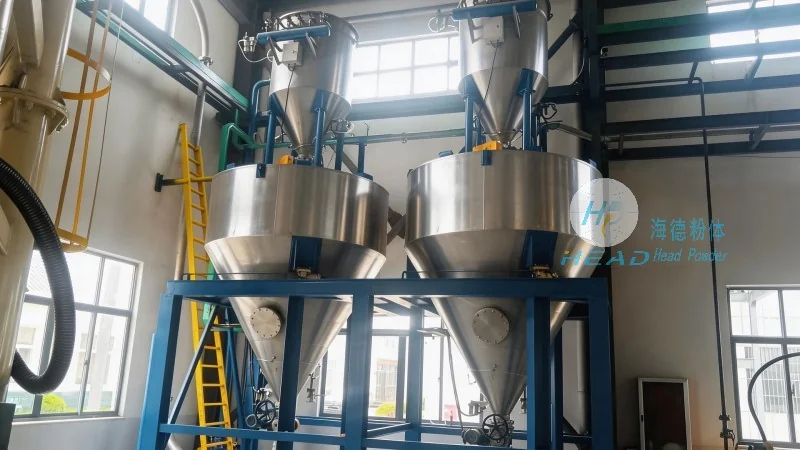
Understanding Pneumatic Conveying for Sodium Hydroxide Powder
Pneumatic conveying systems are essential for transporting sodium hydroxide powder, a widely used chemical in various industries, from production sites to processing facilities. These systems utilize air or other gases to move bulk materials, offering advantages like reduced dust generation, improved safety, and enhanced material handling efficiency. The core of a pneumatic conveying system for sodium hydroxide powder lies in its ability to handle the material's properties, such as its hygroscopic nature and potential reactivity, while ensuring reliable and consistent transport.
Key Components of the Pneumatic Conveying System
The pneumatic conveying system for sodium hydroxide powder typically consists of several critical components that work in tandem to ensure efficient material transport. These include a material feeder, which accurately meters the powder into the system; a conveying line, which may be either positive or negative pressure, depending on the system design; a separator, which separates the powder from the air stream and returns excess air to the system; and a receiver, where the sodium hydroxide powder is deposited. Additionally, the system may incorporate a filter system to capture any fine particles and prevent environmental contamination, as well as a control panel to monitor and adjust operational parameters in real-time.
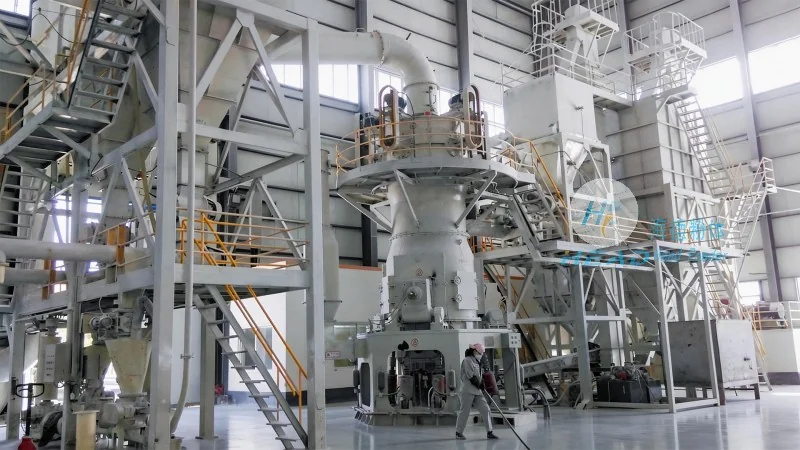
Operational Principles and System Design Considerations
The operational principle of a pneumatic conveying system for sodium hydroxide powder involves creating a pressure differential between the material feeder and the receiver. In positive pressure systems, air is forced through the conveying line, carrying the powder from the feeder to the receiver. Negative pressure systems, on the other hand, draw air and powder from the feeder into a vacuum, moving the material to the receiver. The choice between positive and negative pressure depends on factors such as the distance to be covered, the material's characteristics, and the required flow rate. For sodium hydroxide powder, which can be sensitive to moisture and temperature, the system design must consider these factors to prevent degradation or clumping of the material during transport.
Advantages of Pneumatic Conveying for Sodium Hydroxide Powder
Implementing a pneumatic conveying system for sodium hydroxide powder offers numerous benefits that enhance operational efficiency and safety. One of the primary advantages is the reduction of dust exposure, which is crucial for maintaining a safe working environment, especially in facilities handling hazardous chemicals. Additionally, these systems minimize material waste by reducing spillage and loss during transport, leading to cost savings. The ability to handle large volumes of powder with minimal manual intervention also improves overall productivity. Furthermore, pneumatic conveying systems can be integrated with other processing equipment, such as storage silos and mixing units, creating a seamless material flow within the industrial process.
Application Scenarios and Industrial Use Cases
The pneumatic conveying system for sodium hydroxide powder is widely used in various industrial applications, including chemical manufacturing, food processing, and pharmaceutical production. In chemical plants, it is commonly employed to transport sodium hydroxide from storage silos to reactors or processing units, ensuring a continuous supply of the chemical. In food processing facilities, the system may be used to move sodium hydroxide for pH adjustment or as a cleaning agent, maintaining compliance with food safety regulations. The system's flexibility also makes it suitable for pharmaceutical applications, where precise control over material handling is critical to ensure product quality and safety.
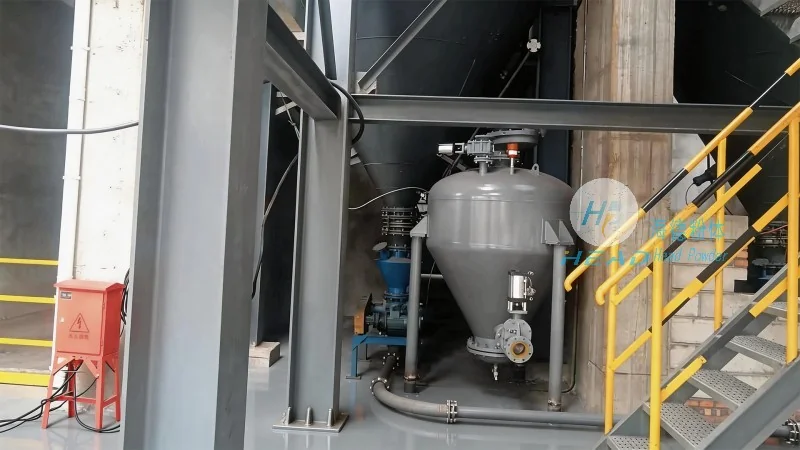
Maintenance and Safety Considerations
To ensure the long-term reliability and safety of the pneumatic conveying system for sodium hydroxide powder, regular maintenance and adherence to safety protocols are essential. Maintenance tasks include inspecting and cleaning the conveying line and filter system to prevent blockages and dust accumulation, checking the performance of the material feeder and control panel, and replacing worn components as needed. Safety considerations involve implementing proper ventilation to remove any airborne particles, using explosion-proof equipment where necessary, and training personnel on the safe operation of the system. By following these maintenance and safety measures, industrial facilities can maximize the lifespan of their pneumatic conveying system and minimize the risk of accidents or material loss.
Conclusion and Future Developments
HeadPowder's expertise in designing and implementing pneumatic conveying systems for sodium hydroxide powder highlights the importance of advanced material handling solutions in modern industrial operations. As industries continue to demand higher efficiency and safety standards, the development of more sophisticated pneumatic conveying systems, such as those with variable speed control and automated monitoring, will likely become more prevalent. These advancements will further enhance the ability to handle sodium hydroxide powder and other bulk materials, supporting the growth and sustainability of various industrial sectors. With its commitment to quality and innovation, HeadPowder remains at the forefront of providing reliable and efficient pneumatic conveying solutions for sodium hydroxide powder and other critical materials.