

Introduction to Grain Handling Systems, Advantages and Features of Pneumatic Grain Conveying
Grain handling systems are essential in the agricultural and food processing industries, facilitating the efficient movement of bulk grains from storage to processing or distribution points. Among the various methods available, pneumatic conveying stands out as a versatile and efficient solution for transporting grains like wheat, corn, soybeans, and other bulk commodities. This article provides an overview of grain handling systems, with a focus on the advantages and key features of pneumatic grain conveying technology.
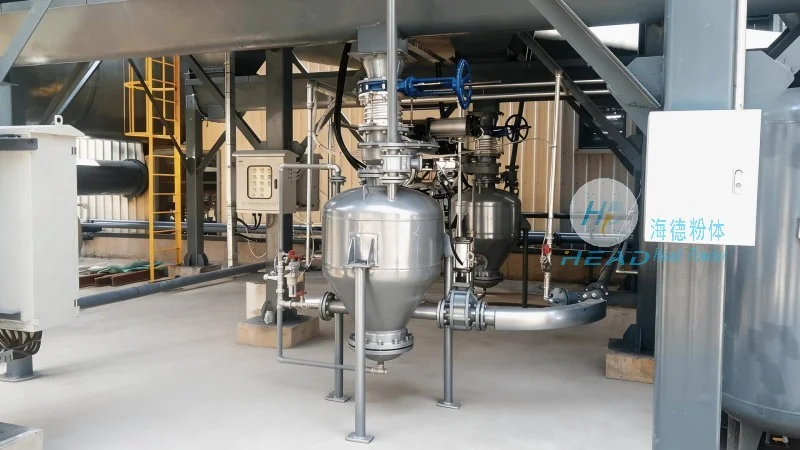
Understanding Pneumatic Grain Conveying
Pneumatic conveying, also known as air conveying, utilizes air pressure to move bulk materials through a pipeline system. Unlike mechanical systems that rely on belts, screws, or buckets, pneumatic conveyors use compressed air to transport grains in a sealed environment. This method offers several benefits, including the ability to handle a wide range of grain types, maintain product quality, and operate in a hygienic manner suitable for food processing applications.
Key Advantages of Pneumatic Grain Conveying
One of the primary advantages of pneumatic grain conveying is its flexibility in handling different grain characteristics. Whether dealing with dry, moist, or even slightly sticky grains, pneumatic systems can adapt to various conditions without the need for frequent maintenance or adjustments. Additionally, these systems are highly efficient in terms of energy consumption compared to traditional mechanical conveyors, reducing operational costs over time.
Another significant benefit is the hygienic design of pneumatic conveyors. The sealed pipeline system prevents contamination from external sources, ensuring that the grains remain clean and free from dust or foreign particles. This is particularly important in food processing industries where product purity is a top priority. Furthermore, pneumatic conveying can be integrated with other processing equipment, such as cleaners, grinders, or packaging machines, creating a seamless workflow from storage to final product.
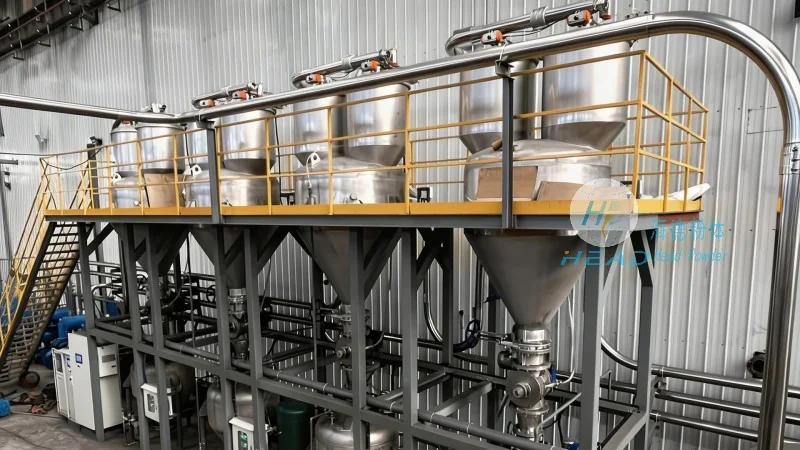
Features and Components of Pneumatic Grain Conveying Systems
Pneumatic grain conveying systems typically consist of several key components, including a hopper for material storage, a blower or compressor to generate air pressure, a pipeline network for material transport, and a receiver or discharge unit for product collection. The design of these components is crucial for optimizing performance and ensuring reliable operation. For instance, the hopper is often equipped with a feeder to control the flow of grains into the system, preventing overloading or blockages. The blower or compressor provides the necessary air pressure, which can be adjusted based on the grain type and distance of transport. The pipeline network is usually made of durable materials like stainless steel or PVC to withstand the abrasive nature of grains and maintain hygiene standards.
Key features of pneumatic grain conveying systems include the ability to handle long-distance transport, often up to several hundred meters, without the need for intermediate transfer points. This reduces the risk of product degradation and improves overall system efficiency. Additionally, these systems can be designed for both positive and negative pressure operation, offering flexibility in different application scenarios. Positive pressure systems push the grain through the pipeline using compressed air, while negative pressure systems draw the grain into the system using a vacuum.
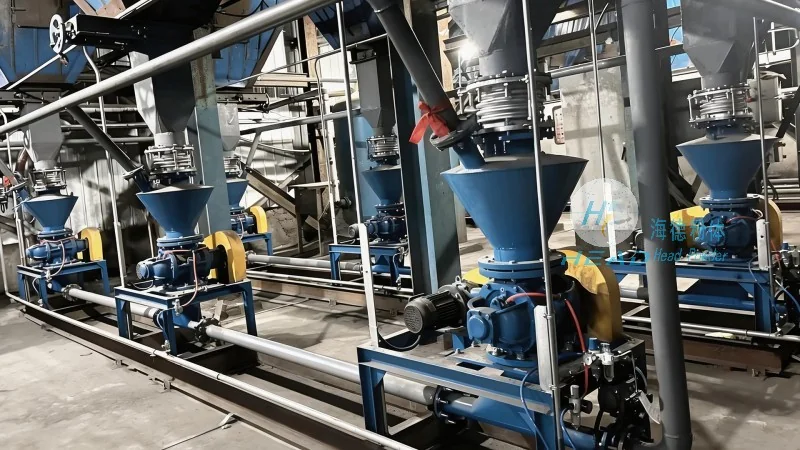
Applications in the Grain Industry
Pneumatic grain conveying is widely used in various stages of the grain industry, from storage and handling to processing and distribution. In storage facilities, pneumatic systems are used to transfer grains from silos or bins to processing plants, ensuring a continuous supply of raw materials. During processing, these systems can transport grains to cleaning, drying, or grinding equipment, facilitating the production of flour, feed, or other grain products. In distribution centers, pneumatic conveyors help move grains to packaging lines or loading docks, streamlining the logistics process.
Moreover, pneumatic conveying is suitable for handling grains in different forms, including whole grains, ground products, or even mixed products. This versatility makes it an ideal solution for manufacturers who need to process a variety of grain types or produce different products from the same raw material. The ability to integrate with other processing equipment also enhances the overall efficiency of grain handling operations, reducing downtime and improving productivity.
Conclusion and Company Overview
Grain handling systems, particularly pneumatic conveying technology, play a vital role in modern agricultural and food processing industries. The advantages of pneumatic grain conveying, including flexibility, efficiency, hygiene, and adaptability, make it a preferred choice for many businesses. As a leading provider in this field, Shandong HeadPowder Engineering Co., Ltd. specializes in designing and manufacturing high-quality pneumatic conveying systems tailored to the specific needs of grain handling operations. With a focus on innovation and customer satisfaction, HeadPowder offers reliable solutions that enhance productivity and ensure product quality in grain processing and distribution.