

[Sodium Chlorate Transport System Introduction: Advantages and Features of Sodium Chlorate Pneumatic
When it comes to transporting sodium chlorate, the choice of system can significantly impact operational efficiency, safety, and overall cost-effectiveness. Among the various methods available, the pneumatic conveying system stands out as a reliable and efficient solution. This article provides an introduction to sodium chlorate transport systems, with a focus on the advantages and unique features of pneumatic conveying technology. The information is presented by Shandong HeadPowder Engineering Co., Ltd., a leading provider in the field, based in Shandong, China.
Company Profile: HeadPowder
Shandong HeadPowder Engineering Co., Ltd. is a professional enterprise dedicated to the research, development, and manufacturing of powder handling equipment. With years of experience and a strong commitment to innovation, HeadPowder has established itself as a trusted partner in the chemical and material processing industries. The company specializes in designing and supplying customized transport solutions, including pneumatic conveying systems for various hazardous and sensitive materials like sodium chlorate. HeadPowder's expertise lies in ensuring that each system is tailored to meet specific client requirements while adhering to the highest safety and performance standards.
Understanding Sodium Chlorate and Its Transport Challenges
Sodium chlorate (NaClO₃) is a chemical compound widely used in industrial applications, such as pulp and paper production, water treatment, and as an oxidizing agent in chemical synthesis. Due to its reactivity and potential hazards, the transportation of sodium chlorate requires specialized equipment and careful handling. Traditional methods like bucket elevators or belt conveyors may pose risks of dust accumulation, material degradation, or contamination. In contrast, pneumatic conveying offers a more controlled and efficient approach to moving sodium chlorate while minimizing these risks.
The Advantages of Pneumatic Conveying for Sodium Chlorate
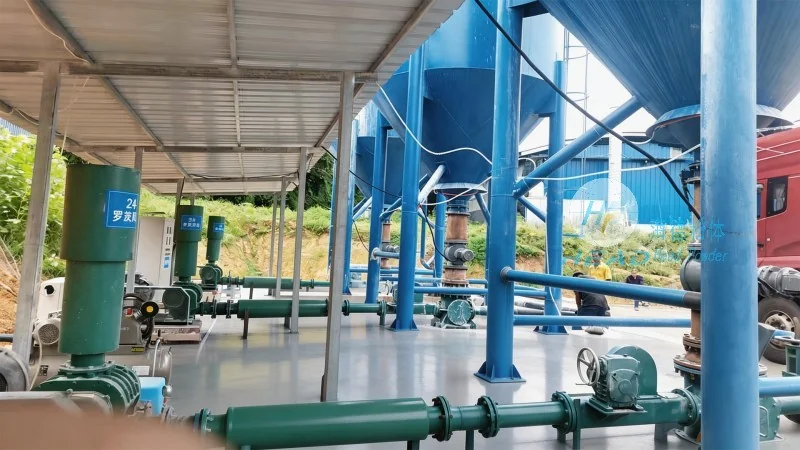
Pneumatic conveying systems utilize air or gas to transport bulk materials through a pipeline network. For sodium chlorate, this method provides several key advantages. First, it ensures a dust-free environment, which is crucial for maintaining product purity and reducing health hazards. Second, the system allows for continuous and automated material flow, enhancing production efficiency and reducing labor costs. Third, pneumatic conveying can handle materials with varying moisture content and particle sizes, making it versatile for different applications. Additionally, the enclosed system design minimizes exposure to external factors, ensuring consistent product quality throughout the transport process.
Key Features of the HeadPowder Sodium Chlorate Pneumatic Conveying System
HeadPowder's sodium chlorate pneumatic conveying system is engineered with several distinctive features that set it apart from conventional solutions. The system incorporates high-quality materials resistant to corrosion and chemical reactions, ensuring long-term durability and reliability. Advanced control systems are integrated to monitor and regulate air pressure, flow rates, and material levels, providing real-time feedback and automated adjustments. The design also includes safety mechanisms, such as pressure relief valves and emergency shut-off valves, to prevent accidents and protect personnel. Furthermore, the system is modular, allowing for easy installation, maintenance, and scalability to accommodate future production needs.

System Components and Operation
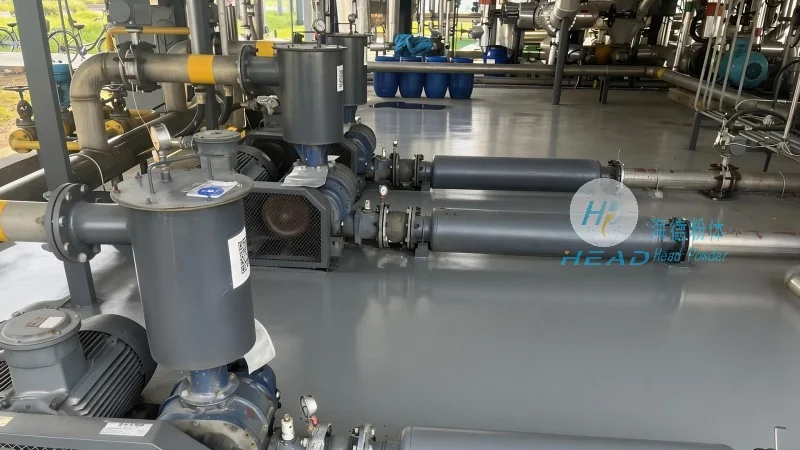
The pneumatic conveying system for sodium chlorate typically consists of several key components. These include a material feeder, a blower or air compressor, a pipeline network, and a receiver or discharge unit. The material feeder is responsible for accurately measuring and feeding the sodium chlorate into the system. The blower generates the necessary air pressure to move the material through the pipeline. The pipeline network transports the material from the feeder to the discharge point, often with multiple branches and bends to accommodate different routes. The receiver collects the material and may include a dust collection system to ensure environmental compliance. The operation of the system is automated, with sensors and controls ensuring smooth and continuous transport.
Applications and Industry Impact
The HeadPowder sodium chlorate pneumatic conveying system is widely used in various industrial settings. In the pulp and paper industry, it efficiently transports sodium chlorate to bleaching units, improving the quality and consistency of the final product. In water treatment facilities, the system delivers sodium chlorate for disinfection and oxidation processes, ensuring effective water purification. Additionally, the system is applied in chemical manufacturing plants where sodium chlorate is used as an oxidizing agent, facilitating safe and controlled material handling. By optimizing the transport process, the system enhances overall operational efficiency, reduces downtime, and improves product quality, contributing to the success of industrial operations.
Safety and Compliance Considerations
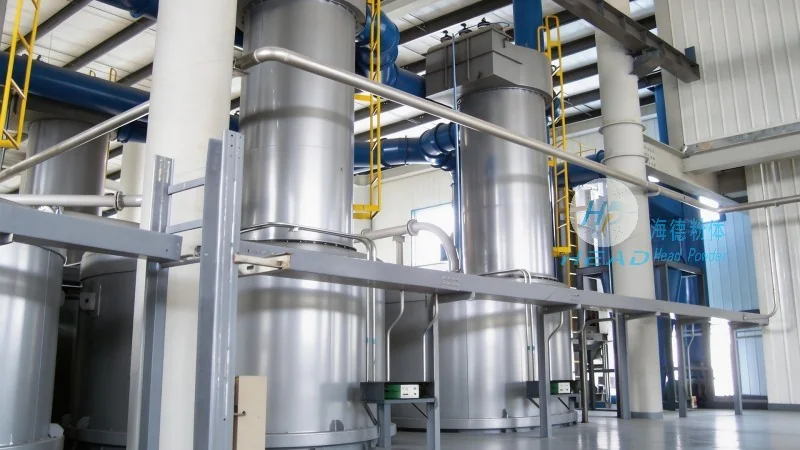
Transporting sodium chlorate requires strict adherence to safety regulations and compliance standards. HeadPowder's pneumatic conveying system is designed with safety as a top priority. The enclosed system prevents dust dispersion, reducing the risk of fire or explosion. The system includes explosion-proof components and emergency shutdown mechanisms to handle unexpected situations. Additionally, the equipment is manufactured in compliance with international safety standards, such as those set by the American Society of Mechanical Engineers (ASME) and the European Union's Machinery Directive. Regular maintenance and inspections are recommended to ensure the system operates within safe parameters, protecting both personnel and the environment.
Conclusion
In conclusion, the sodium chlorate transport system, particularly the pneumatic conveying technology offered by Shandong HeadPowder Engineering Co., Ltd., represents a significant advancement in material handling. By combining efficiency, safety, and versatility, the system addresses the unique challenges associated with transporting sodium chlorate. With its advanced features and robust design, the system provides industrial clients with a reliable solution that enhances productivity while minimizing risks. As a leading provider in the industry, HeadPowder continues to innovate and deliver high-quality transport solutions tailored to meet the evolving needs of its clients in Shandong and beyond.